 8.6 out of 10 based on 80922 reviews







.svg)
.svg)
.svg)
.svg)
.svg)
.svg)



 Menu
Menu
-
 Vaporshop
All Categories
Vaporshop
Vaporshop
All Categories
Vaporshop
- Top 10 Vaporizers
- Spare Parts & Accessories
- AirVape XS GO (2021)
- Arizer Air MAX
- Arizer Extreme Q
- Arizer Solo 2
- Arizer V-Tower
- Arizer XQ2
- Boundless CFC 2.0 Vaporizer
- Boundless CFX
- Boundless TERA (V3)
- CRAFTY+
- DaVinci IQC
- Dr. Dabber Boost EVO
- DynaVap VapCap "M" PLUS 2023
- DynaVap VonG (i) Titanium
- Flowermate Aura
- Flowermate Cap Pro
- Flowermate Slick
- Flowermate V5.0S Pro
- G Pen Elite II
- G Pen Micro+
- G Pen Roam
- Hyer Big-E Rig
- MIGHTY+
- PAX Mini
- PAX Plus
- PLENTY
- Puffco Peak Smart Rig
- Puffco Plus
- Storm Vaporizer
- The Proxy (Puffco)
- VOLCANO CLASSIC
- VOLCANO HYBRID
- Vapman 2.0
- Vapman Click
-
 Smartshop
All Categories
Smartshop
Smartshop
All Categories
Smartshop
- Top 10 Smartshop
- Zamnesia Gift Cards
- After Party
- Aphrodisiacs
- Aromatherapy
- Blue Lotus
- Capsule Machines
- Crystals, Gemstones & Minerals
- Dream Herbs
- Drug Tests
- Extracts
- Happy Caps
- Herbal Tea
- Herbs & Seeds
- Incense
- Kanna
- Kratom
- LSA Seeds
- Mescaline Cactus
- Microdosing
- Nootropics
- Relaxing
- Salvia divinorum
- Smart Seeds
- Stimulants
- Supplements
- Tinctures
- Vape Herbs
-
 TRIBE
All CategoriesTRIBE
TRIBE
All CategoriesTRIBE
- My Membership
- Spend Gift Points
- TRIBE Sale
- Exclusive products
- Earn Extra Gift Points
- Early Access
- Refer a Friend
- Information
 Mushroom Dosage Calculator


 Help
Help United States
Herbs & Seeds: Dried Botanicals and Seeds to Sow
Most people land here after one plant and find 102 of them, split across two very different shelves. One side is dried material sold by weight, bark, leaf, root and flower, like Mimosa hostilis root bark, for infusions and tinctures. The other side is seed you sow yourself, from Kanna and Ashwagandha to San Pedro, Peruvian Torch and Peyote, so work out whether you're after seeds infusions or something to plant. Sort out which one you actually want before you order, and the rest is easy.
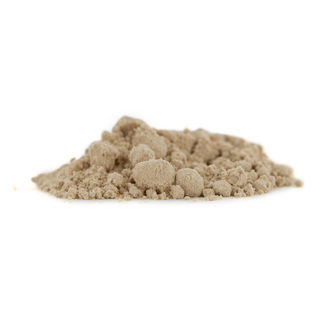
Calamus - Acorus calamus
Known by its common name of sweet flag, calamus has been an esteemed herb in Europe since the Middle Ages.

Tea & Herb Infuser (Zamnesia)
Making infusions is the oldest way of extracting herbal essences. This bright blue, leaf-themed food-grade silicone and stainless steel infuser from Zamnesia has you covered. The silicone is heat-resistant so you will never burn your fingers, while the branded Zamnesia drip tray keeps things dry and tidy without having to go to the sink.
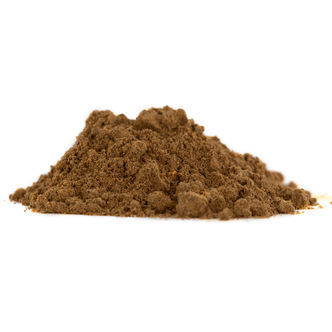
Guarana - Paullinia cupana
Guarana belongs in the stimulant category of drugs, along with the likes of coffee, tea, ephedra, khat and maté. It comes from the seeds of an Amazonian vine (Paullinia cupana) that look remarkably like horse chestnuts, and its usage dates back thousands of years. Many Indians consider it a gift of the Gods and use it as a hunting aid.
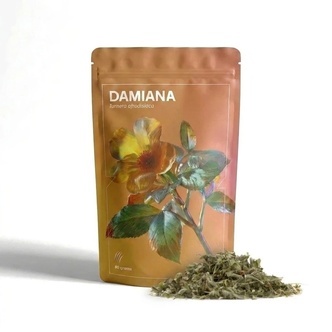
Damiana | Turnera afrodisiaca
Damiana (Turnera afrodisiaca) has a relaxing effect with a euphoric high for 1-2 hours after taking, and like its Latin name suggests, is a mild but effective aphrodisiac.
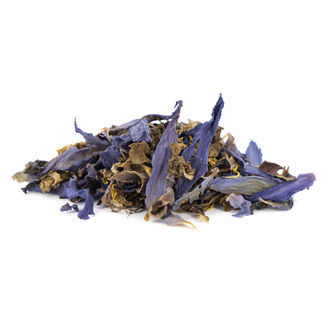
Blue Lotus (Nymphaea caerulea)
Blue Lotus (Nymphaea caerulea) is first mentioned in the Egyptian Book of the Dead; blue and white lotuses were the most important ritual plants in ancient Egypt. The flowers were worn in the hair of the living and the dead, and were an important ornamental element in Egyptian art.

Catnip (Nepeta cataria)
Catnip, also known as catmint, is a dried herb from the mint family (Lamiaceae) with roots in European and Asian botanical tradition. Known scientifically as Nepeta cataria, it is equally famous for its effect on felines. Prepared as a tea, it carries a pungent, thyme-and-oregano aroma.
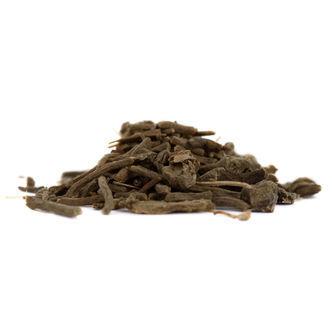
Valerian (80 grams)
Valerian (Valeriana officinalis) is an old Germanic ritual herb, sacred to the goddess Hertha. The herb used to be hung outside houses as a protection against witches and evil. It has also been used as an aphrodisiac, and its effects are well known. Mixed 50-50 with kava-kava it is said to produce ‘beautiful dreams’.
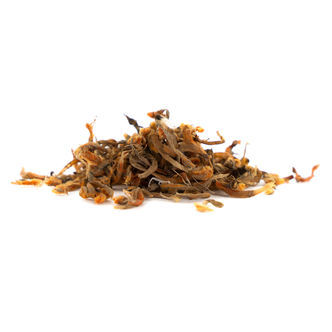
Leonotis Leonurus Flowers 5g
Wild Dagga (Leonotis leonurus) is a striking shrub native to the grasslands of southern Africa, belonging to the Lamiaceae family. This 5g pack contains dried flowers with a strongly aromatic, earthy, spicy, herby scent.
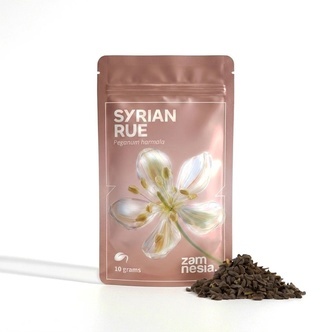
Peganum Harmala (10 grams)
Peganum harmala or Syrian rue is a perennial bush native to the eastern Mediterranean now found across northern India and as far as Manchuria. It produces white flowers that develop round capsules containing around 50 brown seeds.
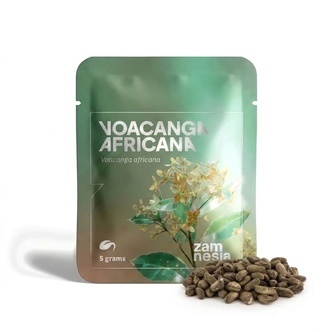
Voacanga Africana (5 grams)
Voacanga africana is a small tree from Africa that can become 6 meters tall. The active compounds in Voacanga africana are voacangine and voccamine. These compounds are chemically related to ibogaine. Native people from Africa use the seeds for their stimulating and psychedelic effects. Some claim it has also aphrodisiac effects.
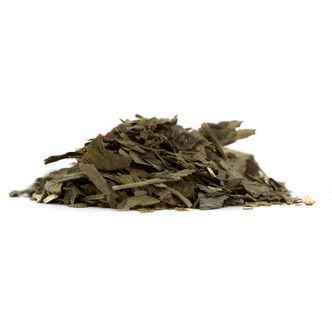
Ginkgo biloba
The Ginkgo tree is one of the oldest types of trees in the world with no close living relatives. The compounds have antioxidant and free radical properties.
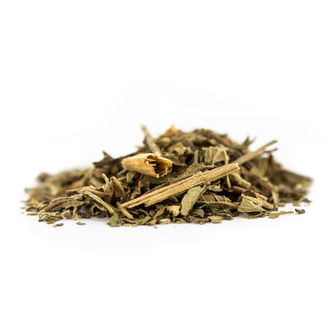
Klip Dagga (Leonotis nepetifolia)
Klip Dagga (Leonotis nepetifolia) is a tall annual herb from the Lamiaceae family, native to tropical Africa and southern India. Sold as dried leaves and flowers, it is most commonly prepared as a tea.
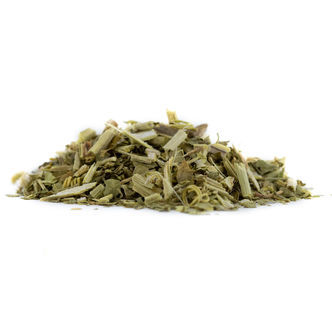
Passionflower (80 grams)
Passionflower is a soothing plant that can be enjoyed in numerous ways. It can be made into a tea, tincture, or capsules—the possibilities are nearly endless. Traditionally used for holistic purposes in the Americas and Europe, passionflower has found its place in the modern day.
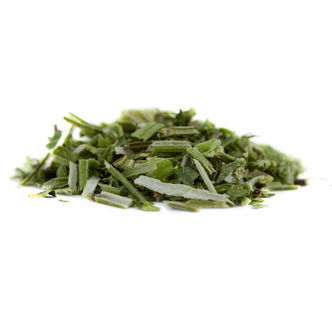
Skullcap (Scutellaria galericulata) 50g
Skullcap (Scutellaria galericulata) takes its name from its distinctive hooded flowers, whose calyx forms a small helmet-shaped cup. Native across Europe and North America, this Lamiaceae herb grows wild along stream banks and wet meadows. Sold as a dried, shredded herb in a 50g pack, it is most commonly prepared as a tea infusion.
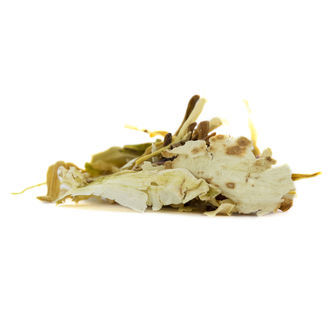
White Lotus (20 grams)
White Lotus is extremely similar to Blue Lily and can produce a sense of floating and euphoria when ingested. The dried buds and petals can be prepared as a tea or concoction. Content: 20 grams
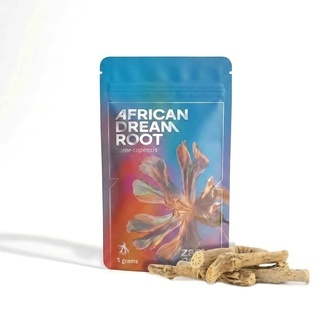
African Dream Root (5 grams)
Native to South Africa, Silene capensis has served as a catalyst for deep and meaningful dreams since antiquity. The fascinating plant also helps to promote sleep readiness and boost sleep function—setting the stage for vivid dreams to occur. Simply process the dream herb, place it into capsules, and get ready to explore the dreamscape.
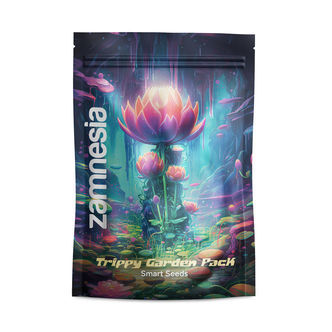
Trippy Garden Pack - Smart Seeds
This Trippy Garden Pack contains a range of different seeds that will flourish into plants containing legal psychoactive compounds. If a herb garden doesn't quite cut it for you, then these seeds will give you a real project. Experiment with a range of psychoactive plants and see which you like the best.
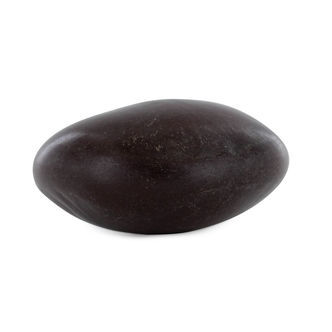
African Dream Seeds (1 seed)
African Dream Seeds are known for their longstanding cultural significance, lucky nature, and the ability to bestow vivid and memorable dreams. Easy to prepare and consume, Entada Rheedii seeds ensure a lively slumber.
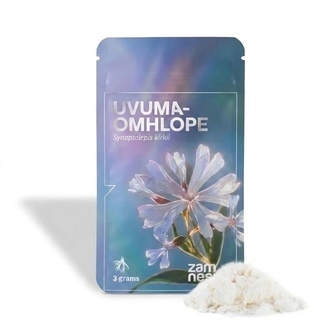
Uvuma-omhlope (3 Grams)
Uvuma-omhlope is used by tribes across Africa for its ability to bring you closer to the spirits in your dreams. It is well known to induce lucid dreams with prophetic and enlightening visions. Using Uvuma-omhlope as part of your regular night time schedule will ensure dreams to remember!
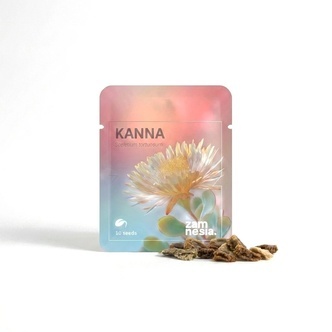
Kanna (Sceletium tortuosum) 10 seeds
Sceletium tortuosum, commonly known as Kanna, is a succulent plant native to South Africa. Local people chew it for mood elevation. The plant is carefree and makes a great houseplant, but is hard to find in garden centers, so you need a seed supplier.
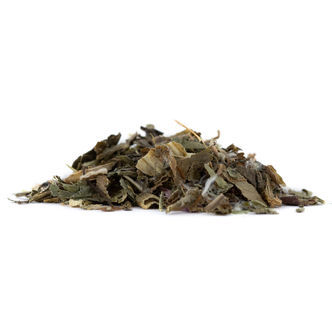
Wild Lettuce (Lactuca virosa)
Wild Lettuce (Lactuca virosa) is a dried, shredded leaf herb native to South and Central Europe, with a long history of traditional use across the continent. Also known as opium lettuce, it is commonly prepared as a tea.
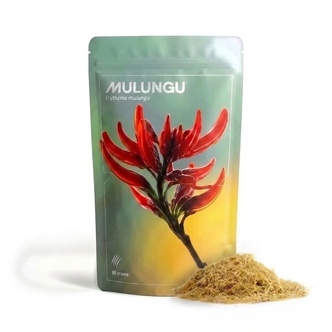
Mulungu (Erythrina mulungu) 80g
Mulungu (Erythrina mulungu) is a South American tree known for its vivid coral-red flowers. Native to Brazil and Peru, its bark has a long history of traditional use. This 80g pack contains shredded bark, ready to brew as a tea.
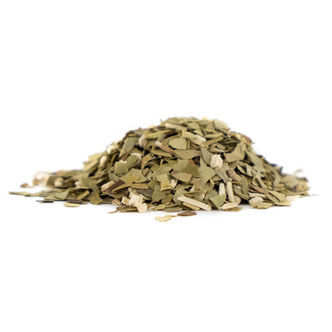
Yerba Maté
Yerba maté is a traditional South American brew that acts to stimulate the mind and body. Often compared to tea or coffee, it is a beverage that can give you an upbeat start to the day, or give you energy when you are flagging. However, unlike tea or coffee, yerba maté also comes packed full of vitamins and mood boosting properties.
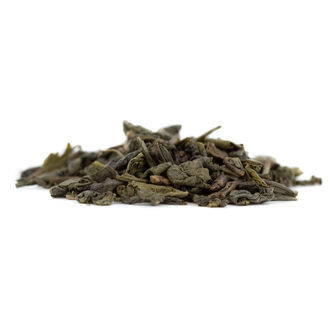
Gunpowder Tea (Camellia sinensis) 100g
Gunpowder Tea (Camellia sinensis) is a green tea from Zhejiang Province, China, hand-rolled into small, dense pellets with a shiny anthracite finish. The pellets unfurl in hot water to release an intensely aromatic, nutty, smoky flavour. Sold as 100g loose leaf.
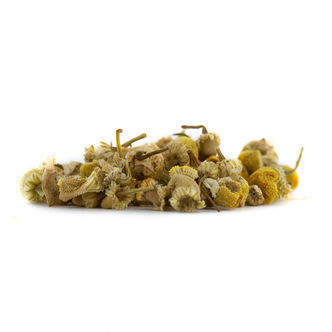
Chamomile (50 grams)
The history of chamomile reaches back to ancient Egypt, Greece and Rome. The "chamomile" stems from the Greek term "chamaimēlon", which translates to "earth-apple", attributable to the apple-like scent the plant gives off.
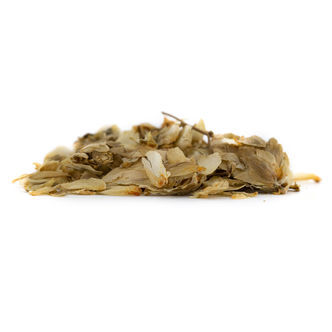
Hops Flowers (Humulus lupulus) 20g
Hops flowers are best known from brewing, but Humulus lupulus has a long history of traditional household use. These dried strobiles, the cone-shaped female flower clusters of the plant, come from European cultivation and are available here as a 20g pack ready for tea preparation.
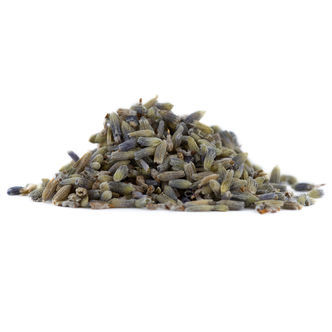
Lavender (Lavandula angustifolia) 20g
Lavender (Lavandula angustifolia) is a fragrant Mediterranean herb from the Lamiaceae family, with one of the longest documented histories of use of any cultivated plant. Its dried flowers carry a softly floral, subtly sweet aroma that translates directly into tea, culinary, and cosmetic preparations. This pack contains 20g of dried lavender flowers.
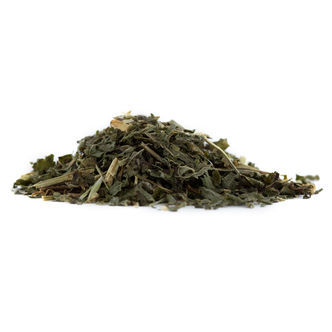
Lemon Balm (Melissa officinalis) 20g
Lemon balm (Melissa officinalis) is a fragrant herb from the mint family, native to the Mediterranean and south-central Europe. Its leaves carry a distinctive lemon scent, released when touched. This 20g pack contains dried leaves, best used as a loose-leaf herbal infusion.
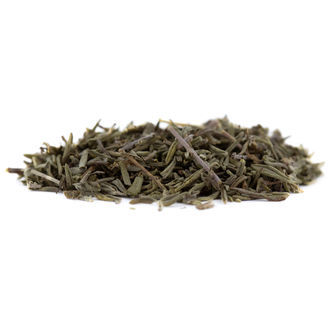
Thyme (Thymus vulgaris) 20g
Shredded dried leaves of Thymus vulgaris (Lamiaceae), with a warm, savoury aroma that's instantly recognisable. Native to southern Europe and used across cultures for centuries. Suited to culinary use, herbal infusion, and cosmetic preparations. 20g.
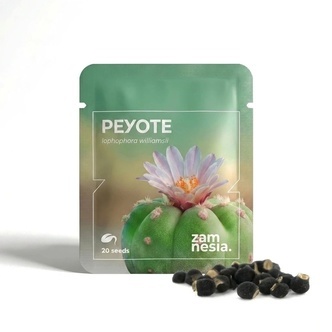
Peyote (Lophophora williamsii) 20 seeds
With our freshly harvested high quality Lophophora williamsii (Peyote) seeds you can now grow your own Peyote cacti at home. As compared to fully grown Peyote cacti plants, cultivating your own Peyote can be more economic because you can grow them at relatively low cost. Plus, being able to watch your Peyote seeds grow to full-grown flowering plants can make for a fascinating hobby all on...
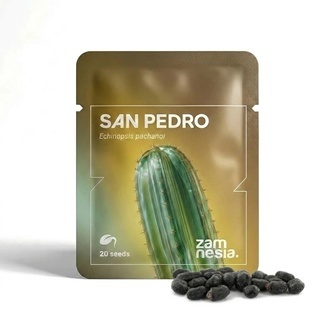
San Pedro (Echinopsis pachanoi) 20 seeds
Echinopsis pachanoi, the original San Pedro cactus is one of the sacred cacti of South America. For centuries, this cactus has played an important role in Shamanic culture. The cactus is a native to Bolivia and contains psychoactive compounds, the most important one Mescaline. With our fresh Echinopsis pachanoi...
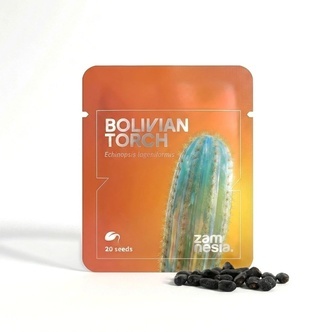
Bolivian Torch (Echinopsis lageniformis) 20 seeds
The Bolivian Torch (Echinopsis lageniformis) is one of the psychedelic cacti of South America that plays an important role in Shamanic rituals. It is similar in appearance to the San Pedro cactus but with fewer and wider...
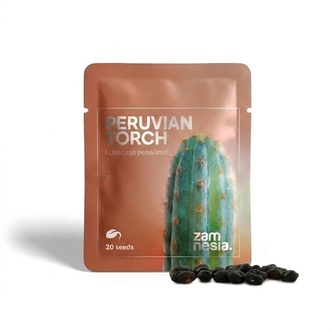
Peruvian Torch (Echinopsis peruviana) 20 seeds
Echinopsis peruviana, better known as the Peruvian Torch cactus is another of the hallucinogenic cacti that is native to South America. The Peruvian Torch contains the psychoactive alkaloid mescaline which makes for powerful, altered states of consciousness. With our fresh Peruvian Torch (Trichocereus peruvianus) seeds you can now grow this sacred cactus easily at home.
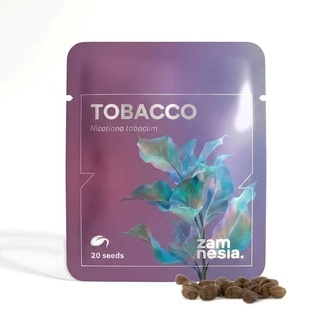
Tobacco (Nicotiana tabacum) 20 seeds
Christopher Columbus, when he set out to find the New World was the first Westerner that came in contact with a plant that the natives called Tobacco. The peoples of the newly discovered land dried the leaves, lit them and engaged in a strange ritual of “smoking” for recreational purposes. Tobacco (Nicotiana tabacum) is now cultivated everywhere and you too can grow Tobacco with our fresh...
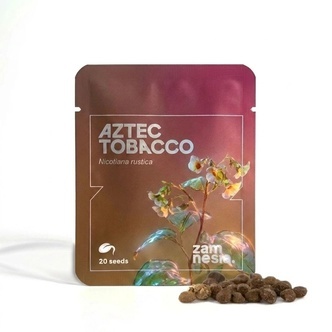
Aztec Tobacco (Nicotiana rustica) 20 seeds
Aztec Tobacco (nicotina rustica), also known as Mapacho, is a wild tobacco plant from the southern part of Mexico and the Yucatan peninsula. What makes this tobacco variety different from others is its strength. This tobacco can have up to twenty times more nicotine than regular tobacco. With our fresh Mapacho seeds you can now grow your own Mapacho tobacco plants at home!
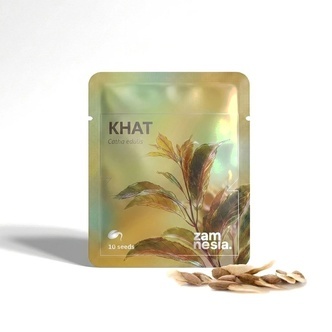
Khat (Catha edulis) 10 seeds
Khat (Qat aka “Flower of Paradise”) is an evergreen shrub that is native to Arabia and East Africa. In these regions of the world, Khat is cultivated and widely consumed as a chew because of the plant’s effect that can cause slight excitement and euphoria. With our fresh Khat seeds you can grow your own genuine Khat plants easily at home!
Brewing, Sowing and Storing: How This Shelf Works
The biggest mix-up we get here: people assume every seed pack on this page is something to steep. Most aren't. Seeds like Kanna, Khat and Ma Huang are for sowing, and the material you'd actually put in a cup is the dried bark, leaf, root and flower. A bag of Peyote seeds and a bag of Wormwood do completely different jobs.
Dried Bark and Flower on One Side, Seeds on the Other
Around a third of the range is seed: Kanna (Sceletium tortuosum), Khat (Catha edulis), Ma Huang (Ephedra sinica), Morning Glory (Ipomoea tricolor), Hawaiian Baby Woodrose (Argyreia nervosa), Ashwagandha, Wild Lettuce, plus cactus seed like San Pedro, Bolivian Torch and Peyote. The rest of the smartshop botanicals come dried and weighed out: Jurema Preta (Mimosa hostilis) root bark, Banisteriopsis caapi vine, Mulungu bark, Bobinsana, Chacruna leaf, Blue Lotus and White Lotus flowers. Watch out for the slow ones: Kanna seed needs a week of daily water changes before it will even germinate, and Peyote takes years to become a cactus worth looking at.
Infusions, Decoctions and Tinctures Without the Guesswork
Leaf and flower go into an infusion: 1 to 2 g per 250 ml, water just off the boil, lid on for 10 to 15 minutes. Bark, root and woody vine need a decoction instead, so simmer 5 to 10 g in 500 ml for 20 to 40 minutes and top the water up as it reduces. Tinctures are the patient option, 1 part dried material to 5 parts 40% spirit by weight, shaken daily, strained after 2 to 4 weeks. Go gently with Wormwood, it turns properly bitter past the 10 minute mark and honey doesn't rescue it.
The Mint-Family Corner and Other Names People Get Wrong
Searches for "intoxicating mint" usually mean plants in the Lamiaceae family, and we carry a handful: Wild Dagga (Leonotis leonurus, flowers), Klip Dagga (Leonotis nepetifolia, leaf and flower), Marihuanilla (Leonurus sibiricus, herb), Catnip (Nepeta cataria, leaf) and Skullcap (Scutellaria galericulata). Elsewhere in the range, the names worth knowing are Calea zacatechichi (Dream Herb, leaf), Heimia salicifolia (Sinicuichi, leaf), Zornia latifolia (Maconha Brava), Artemisia absinthium (Wormwood, leaf and flowering tops) and Papaver somniferum (Poppy, seed). We don't stock yopo, so if that's what brought you here, the nearest things on the shelf are Hawaiian Baby Woodrose and Morning Glory seed.
Dark Jar, Dry Cupboard, Latin Name on the Label
Dried herb holds its smell for roughly a year in an airtight jar away from sunlight. Blue Lotus and Lavender fade first, and once the aroma has gone the brew tastes like hay. Seeds want the opposite treatment, cool and bone dry, and Kanna seed keeps well in a paper envelope in the fridge. Label everything with the Latin name, because shredded Mulungu and shredded Mimosa look identical after a few weeks in the cupboard.
What You're Actually Buying
Every item here is dried botanical material or viable seed, sold for study, collecting, gardening and infusion, not as food or medicine. We make no health claims, and the ratios above are brewing guidance, not doses. With anything psychoactive, set and setting matter more than quantity, so stay somewhere familiar and start low. If you want one thing to begin with, take dried Wild Lettuce over the Wild Lettuce seed pack, unless you genuinely enjoy the gardening half.
Frequently asked questions
- What's the difference between the herbs and the seeds in this category?
The herbs are dried plant material sold by weight, so bark, leaf, root and flower ready for infusions, decoctions or tinctures. The seeds are for sowing, like Kanna, Khat, Ma Huang, Ashwagandha and the cactus seed such as San Pedro and Peyote. A few plants appear as both, Wild Lettuce being the obvious one.
- Can you make an infusion from the seeds themselves?
Most seed packs here are meant for the pot of soil, not the teapot, so the honest answer for things like Kanna, Khat and the cacti is no. If you want something to brew today, go for dried material like Blue Lotus petals, Mulungu bark or Banisteriopsis caapi. Morning Glory and Hawaiian Baby Woodrose are the two seeds people ask about most, and both come with their own advisory notes on the product page.
- How do I make a tincture instead of a tea?
Use 1 part dried material to 5 parts 40% spirit by weight, in a sealed jar out of the light. Shake it once a day and strain it after 2 to 4 weeks. Woody things like bark and vine benefit from the longer end of that window, while leaf and flower are usually done in a fortnight.
- Do you sell yopo seeds?
No, yopo isn't part of our range. The closest seeds we carry are Hawaiian Baby Woodrose (Argyreia nervosa) and Morning Glory (Ipomoea tricolor), and on the dried side people usually look at Jurema Preta root bark or Banisteriopsis caapi vine.
- Which of these plants are easiest to grow at home in the UK?
Ashwagandha and Wild Lettuce are the forgiving ones. Ashwagandha germinates indoors, moves outside after the last frost and is ready in about six months, while Wild Lettuce can be sown straight outdoors and germinates in 10 to 20 days, even in cold soil. Kanna is doable as a houseplant but the seed needs a week of soaking first, and the mescaline cacti are a long-term project rather than a season's work.