 8.6 out of 10 based on 80997 reviews







.svg)
.svg)
.svg)
.svg)
.svg)
.svg)



 Menu
Menu
-
 Vaporshop
All Categories
Vaporshop
Vaporshop
All Categories
Vaporshop
- Top 10 Vaporizers
- Spare Parts & Accessories
- AirVape XS GO (2021)
- Arizer Air MAX
- Arizer Extreme Q
- Arizer Solo 2
- Arizer V-Tower
- Arizer XQ2
- Boundless CFC 2.0 Vaporizer
- Boundless CFX
- Boundless TERA (V3)
- CRAFTY+
- DaVinci IQC
- Dr. Dabber Boost EVO
- DynaVap VapCap "M" PLUS 2023
- DynaVap VonG (i) Titanium
- Flowermate Aura
- Flowermate Cap Pro
- Flowermate Slick
- Flowermate V5.0S Pro
- G Pen Elite II
- G Pen Micro+
- G Pen Roam
- Hyer Big-E Rig
- MIGHTY+
- PAX Mini
- PAX Plus
- PLENTY
- Puffco Peak Smart Rig
- Puffco Plus
- Storm Vaporizer
- The Proxy (Puffco)
- VOLCANO CLASSIC
- VOLCANO HYBRID
- Vapman 2.0
- Vapman Click
-
 Smartshop
All Categories
Smartshop
Smartshop
All Categories
Smartshop
- Top 10 Smartshop
- Zamnesia Gift Cards
- After Party
- Aphrodisiacs
- Aromatherapy
- Blue Lotus
- Capsule Machines
- Crystals, Gemstones & Minerals
- Dream Herbs
- Drug Tests
- Extracts
- Happy Caps
- Herbal Tea
- Herbs & Seeds
- Incense
- Kanna
- Kratom
- LSA Seeds
- Mescaline Cactus
- Microdosing
- Nootropics
- Relaxing
- Salvia divinorum
- Smart Seeds
- Stimulants
- Supplements
- Tinctures
- Vape Herbs
-
 TRIBE
All CategoriesTRIBE
TRIBE
All CategoriesTRIBE
- My Membership
- Spend Gift Points
- TRIBE Sale
- Exclusive products
- Earn Extra Gift Points
- Early Access
- Refer a Friend
- Information
 Mushroom Dosage Calculator


 Help
Help United States
Chilli & Hot Pepper Seeds: Biquinho to Carolina Reaper
Do you know your Serrano from your Carolina Reaper? The gap is enormous: Anaheim starts as low as 500 SHU, while the Reaper tops out at 2.2 million. All of our hot pepper seeds grow on a warm windowsill or in a pot outside, from sweet little Biquinho up to Bhut Jolokia. Pick the heat you'll actually eat, then get sowing in spring.
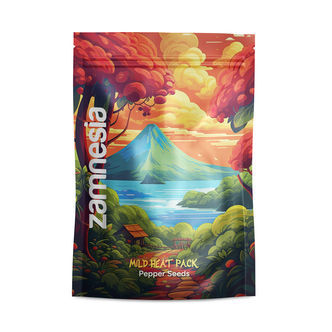
Mild Heat Pack - Pepper Seeds
If you're looking to enjoy all of the flavours, aromas, and nuances of peppers, but don't want a full-on eye-watering spicy experience, this is the pack for you. This selection of pepper seeds is primed to perform no matter where you grow them, and the fruits produce heat at the lower end of the...

Intense Burn Pack - Pepper Seeds
This selection of seeds is not for the faint of heart! Featuring five different peppers that rate extremely high on the Scoville scale, these truly are the hottest of the hot. Not only set on providing an eye-wateringly hot (yet flavourful) experience, these seeds are also perfect for cultivating in both indoor and outdoor environments with ease. Get to know these intense peppers.
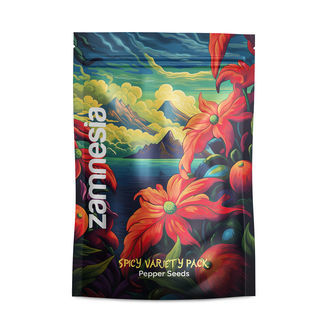
Spicy Variety Pack - Pepper Seeds
This mixed pack of pepper seeds will give you a range of chillies from mild all the way to scorching hot! Plant them in spring or early summer, and by the time autumn comes around, you'll have peppers suitable for all sorts of meals and sauces. Whether you want to add some rich sweetness to a dish...
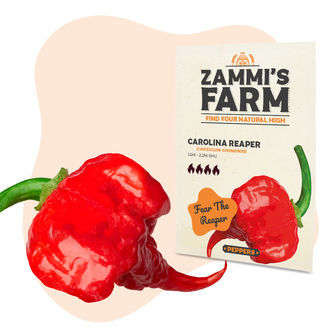
Carolina Reaper Seeds
"The world's hottest chilli" is all you really need to know about the Carolina Reaper. Scoring between 1.5 and 2.2 million Scoville heat units, these chillies are ridiculously, dangerously hot. Proceed with caution!
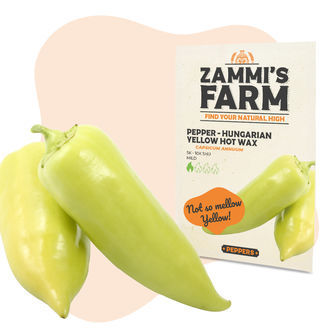
Hungarian Yellow Hot Wax Pepper (Capsicum annuum) Seeds
Sow your seeds in Springtime under glass and then migrate them outdoors when the time is right. Hungarian Yellow Hot Wax peppers are famously unfussy regarding maintenance and can perform well even in colder conditions, making them the ideal pepper partner for newcomers and experienced alike. Come...
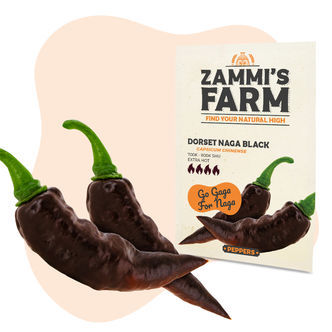
Dorset Naga Black Seeds
If you want serious heat, it's hard to beat the Dorset Naga Black chilli. Reaching up to 800,000 Scoville heat units, this chilli is so hot that it's actually dangerous for the uninitiated! Nevertheless, if you've got a taste for spice and want to take things to the next level, look no further.
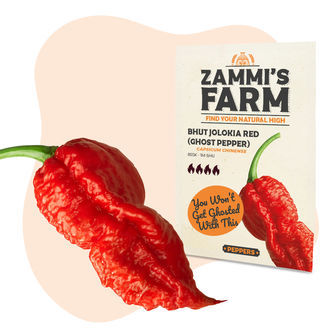
Bhut Jolokia (Ghost Pepper) Seeds
Bhut Jolokia (Ghost Pepper) was once the hottest chilli in the world. With a rating of around 1 million Scoville heat units, you've got to be pretty tough to handle them. But we think you can do it. Get some today!
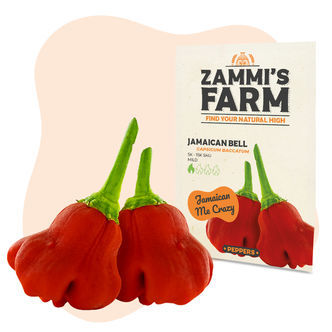
Jamaican Bell Cambuci Seeds
These chillies have a good heat, but aren't ridiculously hot. Perfect for spicing up a meal, while adding a bit of flavour, these unusually shaped chillies start mild at the bottom and get hotter as you move up. There's something for everyone!
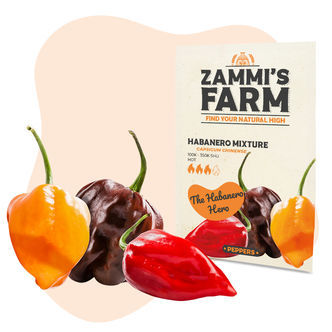
Habanero Mixture Seeds
These mixed Habanero seeds range from medium heat to fairly hot, and feature a variety of satisfying, sweet flavours. This makes them the perfect accompaniment to many different cuisines, especially those of South and Central America. Grow your own now!
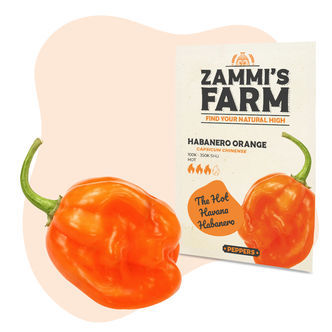
Habanero Orange Seeds
These chillies are deliciously tasty and devilishly hot. Popular the world over for their versatility and quality, get some in your garden and you certainly won't regret it!
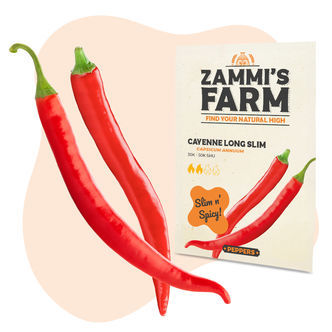
Cayenne Long Slim Seeds
These Cayenne Long Slims are highly popular chillies for cooking. With a medium heat level, around 30–50K Scoville heat units, they are versatile and delicious. Moreover, they are known to be very easy to grow, offering great yields in a range of conditions.
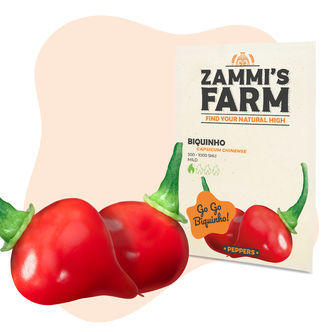
Biquinho Seeds
These chillies are super mild, rating only 500-1,000 SHU. This means they are perfect for those with a very low spice tolerance, or just lovers of salad who want to give it a little bit of edge. Couple that with a relatively rapid growth, and you get a chilli well suited to beginners.


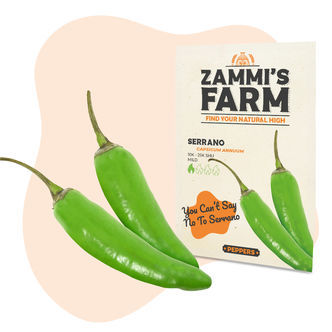
Serrano Seeds
This chilli strikes a perfect balance between heat, flavour, and versatility. Highly popular in Mexico, it can make a meal super hot, or just add a little bit of lift, depending on how much you add. For those who want an all-rounder in the garden, the Serrano chilli is hard to beat!

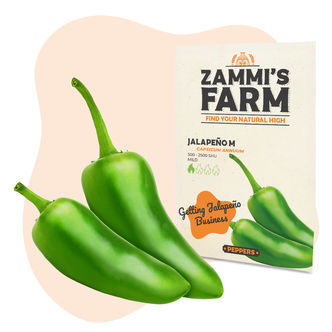
Jalapeño M Seeds
These chillies are great as a topping or as an ingredient in various dishes. They offer continuous harvests and simply taste incredible. Both growing and eating Jalapeños is a rewarding experience. So what are you waiting for?
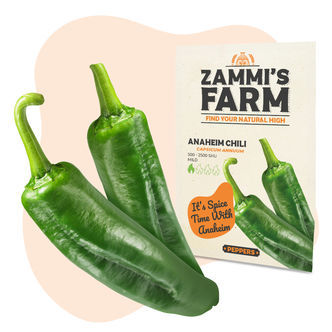
Anaheim Chilli Seeds
These chillies are some of the coolest you can get. Perhaps this means they are not as exciting as some other options, but it makes them incredibly versatile. Consider putting them in a refreshing salsa verde or simply using them to add the smallest amount of heat to a meal. Great for everyone.
Growing Chillies From Seed: The Heat Ladder, Sowing and Picking
Chilli seeds don't need a heated propagator. Sow them straight into the pot the plant will live in, about 1cm deep, lightly covered and watered. What they want is warmth: 25 to 28 degrees Celsius gives the highest germination rate, so a warm windowsill beats a cold greenhouse in early spring.
From 500 SHU to 2.2 Million: Pick Your Burn
Chilli heat explained: the Scoville scale
The Scoville scale does most of the choosing for you. It ranks every variety in Scoville Heat Units, from 500 SHU at the gentle end up to 2.2 million at the summit. Once you know where a pod sits, you know whether it belongs in a salad or in a bottle of sauce.
What SHU actually measures
SHU tracks the concentration of capsaicin, the compound behind the burn. The scale climbs steeply rather than evenly, so the step from Serrano to Habanero Orange is far bigger than the step from Anaheim to Jalapeño M. Figures are given as bands because ripeness, sunshine and watering shift the result from plant to plant.
Scoville table of every variety we stock
The full line-up side by side, mildest at the top. Compare before you sow, not after you bite.
| Variety | Heat in SHU |
|---|---|
| Anaheim Chilli | From 500 |
| Biquinho | 500 to 1,000 |
| Jalapeño M | 5,000 to 15,000 |
| Serrano | 30,000 to 50,000 |
| Habanero Orange | 100,000 to 350,000 |
| Dorset Naga Black | Around 800,000 |
| Bhut Jolokia | Over 1 million |
| Carolina Reaper | Up to 2.2 million |
Choosing by heat level
Anaheim Chilli Seeds start as low as 500 SHU, flavour with a warm edge rather than pain, and Biquinho sits in the same band, more fruity and tangy than hot. Step up through Jalapeño M Seeds and Serrano Seeds and you're into proper cooking heat. Past that it stops being about dinner: Dorset Naga Black, Bhut Jolokia and Carolina Reaper are for people who measure their sauce in drops.
Choosing by Capsicum species
The kitchen staples mostly belong to Capsicum annuum: Anaheim, Jalapeño M, Serrano, Cayenne Long Slim and Hungarian Yellow Hot Wax Pepper (Capsicum annuum) Seeds. The extreme end belongs to Capsicum chinense: Habanero Orange, Bhut Jolokia and Carolina Reaper, slower off the mark and more perfumed in the pod. Short, grey summer? Lean annuum. Chasing the top of the table? Lean chinense and give the plants a longer, warmer run.
Can't decide? The Spicy Variety Pack runs Anaheim, Jalapeño, Serrano, Habanero Orange and Carolina Reaper in one box, and we'd take that over a single pack of Serrano for a first season.
Sow in Spring, Then Sit on Your Hands
Sow under glass in spring and move the plants outside when the weather turns. Keep the soil moist but never soaked, because a drowned seedling is the most common way this goes wrong. Cling film over the pot with a few holes punched in it holds the humidity. Germination runs from a few days to over three weeks, the hotter varieties usually slowest, and a Bhut Jolokia that hasn't shown by day ten isn't dead. Don't tip out a pot that was about to sprout.
Pot Size Sets the Size of Your Haul
Bigger pot, bigger harvest, longer wait. Cayenne Long Slim Seeds reach about 75cm tall with wrinkled, twisted pods around 12cm long, and they'll do that in a container on a balcony. Once the seedling is up, pull the cling film off and give it as much light as you can find. A tomato feed covers the basics, and extra calcium as a foliar spray stops the fruits rotting at the tip.
Choosing by growing space: windowsill, greenhouse, outdoor bed
A bright windowsill is the safest start for any variety. A greenhouse pays off with the chinense types, which want that long stretch of warmth to fill out. For an outdoor bed or a big tub, wait for settled weather and pick the tougher growers: Hungarian Yellow Hot Wax copes with cold better than most and still hands you a pile of pods for the barbecue.
Picking by Colour, Not by Calendar
Wait for the fruit to let go
Days to maturity are only estimates: around 85 days for Jalapeño M and Cayenne Long Slim, roughly 95 for Anaheim, about 100 for Serrano. Judge by colour instead. Anaheim pods finish at 15 to 25cm and shift from green to red, while a ripe Serrano is 7 to 10cm and dark green just tipping into red. Tug gently, and if the pod resists, give it a few more days.
Keeping seed and pods
Leftover seed keeps in its sealed pack somewhere cool, dark and dry, ready for next spring. Fresh pods hold for a few days in the fridge, much longer dried or frozen whole. Wear gloves when you handle chillies and their seeds, and keep your hands off your eyes. If you cook most nights, Cayenne Long Slim is the pack we'd keep sowing year after year.
Frequently asked questions
- When should I sow chilli seeds in the UK?
Spring, under glass or on a warm windowsill, then move the plants outdoors once the nights warm up. Keep the soil at 25 to 28 degrees Celsius while the seeds are germinating, since that gives you the highest germination rate. If your garden runs cold, Hungarian Yellow Hot Wax handles cooler conditions better than the superhots do.
- How long do chilli seeds take to germinate?
Anywhere from a few days to over three weeks, and hotter varieties are generally slower off the mark. Sow about 1cm deep, keep the soil moist but not soaked, and cover the pot with cling film with a few air holes in it. Don't write a pot off after a week, that's usually just impatience rather than a dud seed.
- Which hot pepper seeds here are the hottest?
Carolina Reaper, at up to 2.2 million SHU. Bhut Jolokia (Ghost Pepper) clears 1 million and Dorset Naga Black sits around 800,000. If you want serious heat you can still eat by the spoonful, Habanero Orange at 100,000 to 350,000 is the sensible stop on that ladder.
- Can I grow chilli plants in pots on a balcony?
Yes, and sowing straight into the final pot saves you a transplant later on. Pot size decides the pace: a bigger pot means a bigger harvest and a longer growing cycle. Give the plants plenty of light, a tomato feed, and calcium via a foliar spray to keep the fruits from rotting at the tip.
- Which chilli seeds should I plant if I've never grown peppers before?
Start with Anaheim or Jalapeño M. Both are forgiving, both germinate reasonably quickly, and you'll actually finish the harvest instead of freezing most of it. Jalapeño M also keeps flowering through the season, so you get fresh pods over weeks rather than one big glut.
 Filter