 8.6 out of 10 based on 81026 reviews







.svg)
.svg)
.svg)
.svg)
.svg)
.svg)



 Menu
Menu
-
 Vaporshop
All Categories
Vaporshop
Vaporshop
All Categories
Vaporshop
- Top 10 Vaporizers
- Spare Parts & Accessories
- AirVape XS GO (2021)
- Arizer Air MAX
- Arizer Extreme Q
- Arizer Solo 2
- Arizer V-Tower
- Arizer XQ2
- Boundless CFC 2.0 Vaporizer
- Boundless CFX
- Boundless TERA (V3)
- CRAFTY+
- DaVinci IQC
- Dr. Dabber Boost EVO
- DynaVap VapCap "M" PLUS 2023
- DynaVap VonG (i) Titanium
- Flowermate Aura
- Flowermate Cap Pro
- Flowermate Slick
- Flowermate V5.0S Pro
- G Pen Elite II
- G Pen Micro+
- G Pen Roam
- Hyer Big-E Rig
- MIGHTY+
- PAX Mini
- PAX Plus
- PLENTY
- Puffco Peak Smart Rig
- Puffco Plus
- Storm Vaporizer
- The Proxy (Puffco)
- VOLCANO CLASSIC
- VOLCANO HYBRID
- Vapman 2.0
- Vapman Click
-
 Smartshop
All Categories
Smartshop
Smartshop
All Categories
Smartshop
- Top 10 Smartshop
- Zamnesia Gift Cards
- After Party
- Aphrodisiacs
- Aromatherapy
- Blue Lotus
- Capsule Machines
- Crystals, Gemstones & Minerals
- Dream Herbs
- Drug Tests
- Extracts
- Happy Caps
- Herbal Tea
- Herbs & Seeds
- Incense
- Kanna
- Kratom
- LSA Seeds
- Mescaline Cactus
- Microdosing
- Nootropics
- Relaxing
- Salvia divinorum
- Smart Seeds
- Stimulants
- Supplements
- Tinctures
- Vape Herbs
-
 TRIBE
All CategoriesTRIBE
TRIBE
All CategoriesTRIBE
- My Membership
- Spend Gift Points
- TRIBE Sale
- Exclusive products
- Earn Extra Gift Points
- Early Access
- Refer a Friend
- Information
 Mushroom Dosage Calculator


 Help
Help United States
Vegetable Seeds for UK Growers
A packet of vegetable seeds costs less than the veg it replaces, which is most of the appeal. The range here runs to 74 varieties: sweet peppers, four carrots, five cucumbers, squash, peas and beans, plus sprouting seeds and microgreens for anyone without a garden. Every packet carries its own sowing notes, and orders go out quickly in plain packaging.
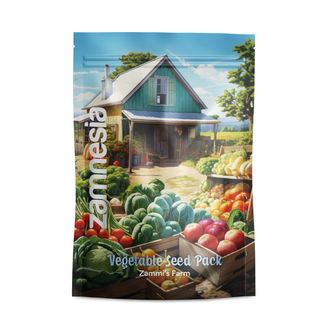
Vegetable Seed Pack - Zammi's Farm
This variety pack of vegetable seeds has everything you need to sow a vegetable patch and then harvest a bountiful array of delicious veg! Whether you want to make fresh salads or cook warming stews, there are...

Exotic Seed Pack - Zammi's Farm
This pack of exotic plant seeds contains a range of seeds that will allow you to grow a weird and wonderful array of fruit and veg in your garden! If you want to grow plants that look great, and taste great come harvest time, you're in luck! Impress yourself and your friends with the Exotic Seed Pack.


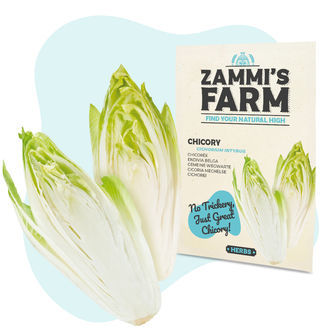
Chicory (Cichorium intybus) Seeds
Sow chicory seeds in spring, after the last frost, in a spot with at least 6hrs of direct sunlight. Take care not to bury the seeds deeper than 0.5cm beneath the soil. Seedlings will sprout after 2–3 weeks in moist (but not wet) soil and should be thinned to leave roughly 30cm between plants. Harvest...

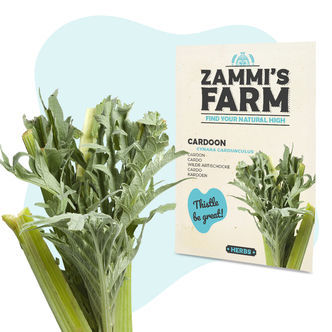
Cardoon (Cynara cardunculus) Seeds
Cynara cardunculus (cardy, cardoon, or artichoke thistle) is a very hardy and somewhat invasive plant. It grows best in soil rich in organic matter (including dung and decomposing plant matter) and in locations with warm conditions and full sunlight. The spiked flowers can be eaten like artichokes, while the...
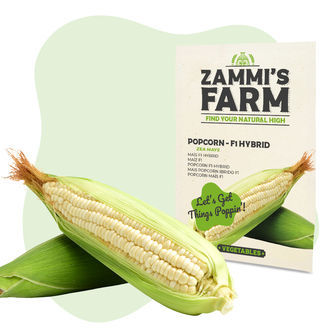
Popcorn (Zea mays) Seeds - F1 Hybrid
Zea mays, sweet corn, or popcorn is an ancient crop that grows well in home gardens. It loves full sun and well-draining, moist, and fertile soil (preferably with a neutral or slightly acidic pH). Sow Zea mays in blocks to ensure effective wind pollination to harvest full cobs. Harvest Zea mays when the tassels at the end of the
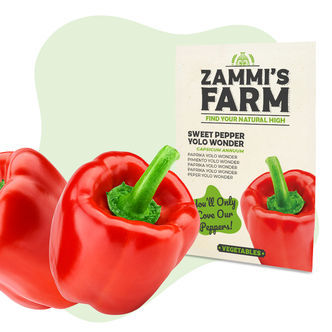
Sweet Pepper Yolo Wonder (Capsicum annuum) Seeds
Related to the famous California Wonder, Yolo Wonder peppers are very resistant to disease and produce an abundance of sweet, crunchy peppers. Plant Yolo Wonder seeds in full sun in well-draining, fertile soil rich in organic matter, and roughly 45–60cm apart. Water regularly and feed flowering
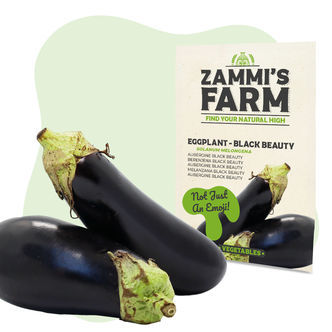
Eggplant 'Black Beauty' (Solanum melongena) Seeds
Whether you know it as eggplant or aubergine, one thing's for sure; this is a hugely versatile and tasty vegetable, no matter how you use it. Named Black Beauty for its dark skin, all it takes is a matter of months for ripe fruits to be ready for the picking. Start in a
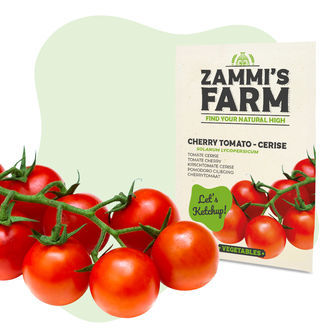
Cherry Tomato - Cerise (Lycopersicon esculentum) Seeds
Who doesn't love nice, fresh cherry tomatoes to enjoy? No matter the weather, you can have a bevy of bright-red beauties in next to no time. Sow seeds in early spring indoors or outside (if living in a warm climate), and they'll be ready come late summer. Give them moist soil and plenty of light and...
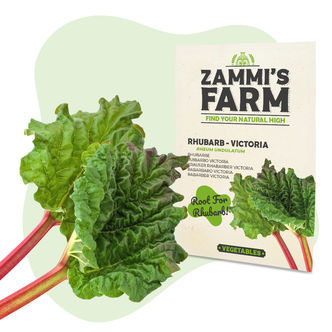
Victoria Rhubarb (Rheum undulatum) Seeds
Victoria rhubarb (Rheum undulatum) likes sunny locations and needs exceptionally well-draining soil (waterlogging or overwatering can greatly impact the growth of rhubarb plants or cause them to rot). Rhubarb also doesn't like extremely hot conditions, which can stunt it or stop plant growth...
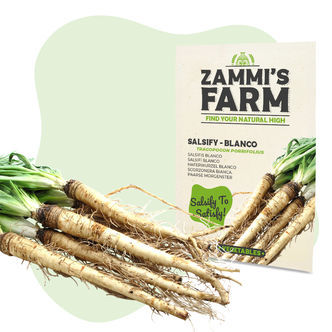
Salsify 'Blanco' (Tragopogon porrifolius) Seeds
Salsify (Tragopogon porrifolius) has long been cultivated in England, Belgium, and France. Sow salsify seeds directly outdoors, leaving 8-10cm between plants and 30-40cm between rows. Salsify likes deep, loose, and fertile soil with plenty of organic material, full sun, and regular watering...
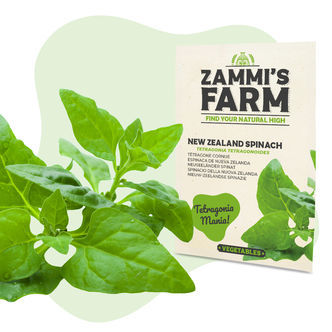
New Zealand Spinach (Tetragonia tetragonoides) Seeds
New Zealand spinach can be harvested over a long period, which makes it ideal for continual use in cooking once ready. Be sure to soak the seeds in a bowl of water overnight before sowing to make sure they germinate. Able to be sown inside in early April or plant outdoors in May-August. Provide...
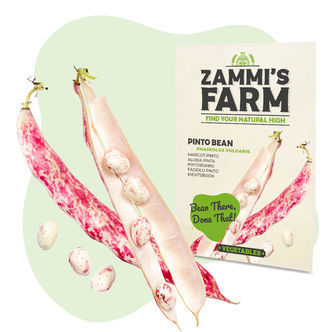
Pinto Bean (Phaseolus vulgaris) Seeds
Pinto bean plants (Phaseolus vulgaris) grow like all other bean varieties but produce unique speckled beans. They like moist, fertile, loamy soil and full sun. Propagate your seeds after the last frost directly, roughly 4-6cm between each seed and use a pole, stake, trellis, or fence to guide the...
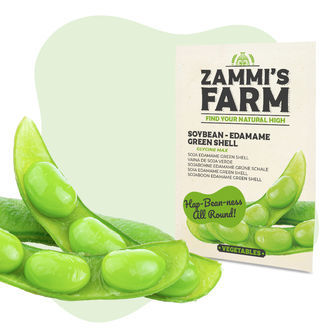
Soybean 'Edamame Green Shell' (Glycine max) Seeds
Perfect in Asian cuisines and as a healthy snack, edamame has plenty of uses. You'll be pleased to know that it's also pretty easy to cultivate from home too! Get plants started indoors or in a greenhouse in early May, and then once the seedlings are big enough, move them outdoors to soak up the...
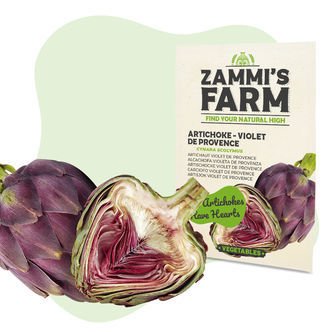
Artichoke 'Violet de Provence' (Cynara Scolymus) Seeds
Not only mindblowing in the flavour department, but Violet de Provence artichokes also showcase amazing looks that make it a must for any garden. Sow the seeds indoors between February and April, and place them outside in early summer. This is a perennial plant that will just keep going as long as...
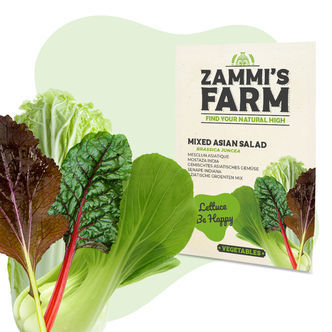
Mixed Asian Greens Seeds
Get your seeds sown in early March, and by the end of August, the young leaves of the greens will be ready to harvest. A versatile combination of pak choi, taisai, tatsoi, turnip greens, chard, Chinese cabbage, leaf mustard and purple frills. All of these combine great flavours in a variety of...
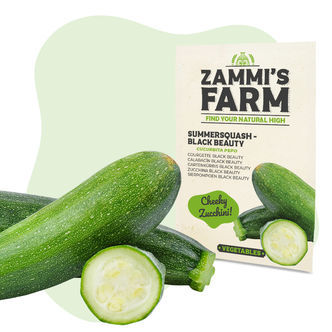
Summer Squash 'Black Beauty' (Cucurbita pepo) Seeds
Whether you know it as courgette or summer squash, this adaptable vegetable lends itself well to all kinds of cuisines. Able to produce a huge harvest, make the most of your plants by starting them under glass,...
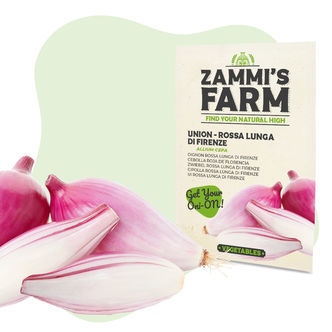
Onion 'Rossa lunga di Firenze' (Allium cepa) Seeds
Rossa lunga di Firenze is a unique onion cultivar originating from Tuscany, Italy. It is best sown in rows outdoors during spring in fertile, well-draining soil and full sun. Thin seedlings after 6 weeks. Where possible, keep soil pH between 6 and 6.8 (though not crucial). The "Long Red of Florence"...
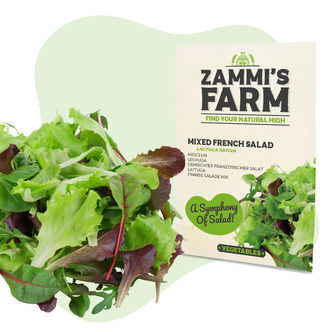
Mixed French Salad (Lactuca sativa) Seeds
Perfect for a light summer meal, Mixed French Salad seeds grow into a mixture of red oak leaf lettuce, endive, radicchio, frisée, and arugula. Great for salads and undeniably tasty. Sow around May, and plants will be ready come September. Grow in moist, loamy soil with plenty of light and warmth for...
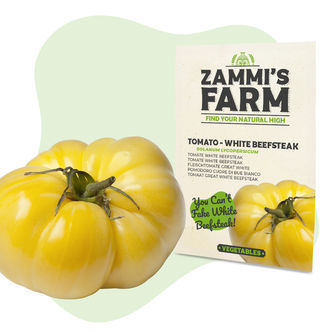
Great White Beefsteak Tomato (Solanum lycopersicum) Seeds
The Great White beefsteak tomato is a real sight for the eyes, producing big, yellowish-white fruit. Pioneered by Thomas Jefferson in his garden in Monticello, these plants are best sown indoors 8 weeks before the last frost and brought outside once the threat of frost has passed. Grow Great White...
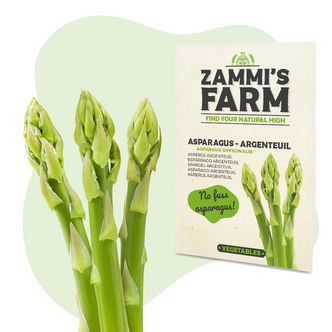
Asparagus 'Argenteuil' (Aspergus officinalis) Seeds
Asparagus plants might take time to get to harvest, but they are well worth the wait. Plant asparagus seeds in rows directly in nursery seed beds 4 weeks before the Ice Saints in sandy soil. Seeds can take 3 weeks to germinate, and young plants should be kept in nurseries for 1 year before moving them to...
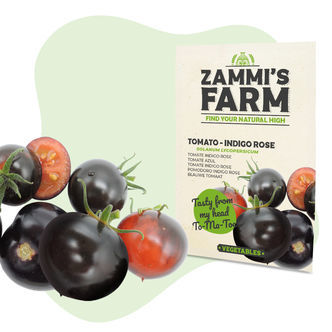
Indigo Rose Tomatoes (Solanum lycopersicum) Seeds
Indigo Rose is a heirloom tomato variety (Solanum lycopersicum) that produces stunning purple/black fruit. Like other tomato varieties, Indigo Rose is best grown in full sun and highly fertile soil, regularly pruned/pinched, and supported with stakes/towers/trellises. Harvest when the shade-facing side of the tomatoes are a soft pinkish-red colour and the sun-facing side a deep...
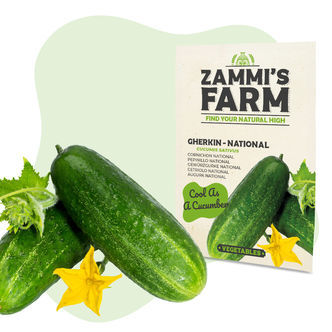
Gherkin 'National' (Cucumis sativus) Seeds
Grow these gherkins in your garden and you'll have a fine selection of small fruits to pick from. Get them going in early April indoors or in a greenhouse, and then take them outside to plant in May. Provide them with shelter and sun, and you'll have a harvest of gherkins-goodness in no time. Perfect...
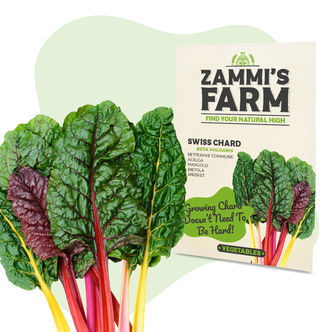
Red Swiss Chard (Beta vulgaris) Seeds
A robust year-round plant, Red Swiss Chard, otherwise known as Beta vulgaris, is a plant that can sprout rhubarb-like stems with leaves that can all be utilised in plenty of different culinary dishes. With a sowing period of March until July, enjoy the fruits of your labour come September/October...
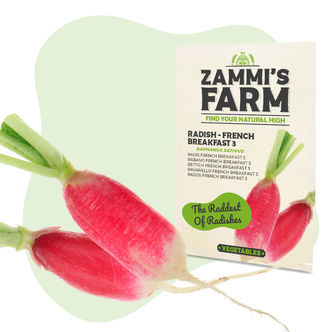
Radish 'French Breakfast 3' (Raphanus sativus) Seeds
Crisp and crunchy are just words to describe the French Breakfast 3 variety of radish. They offer up a great "snap" when eaten and have a fresh flavour that's perfect for blending with other vegetables. In fact, it's even recommended that these
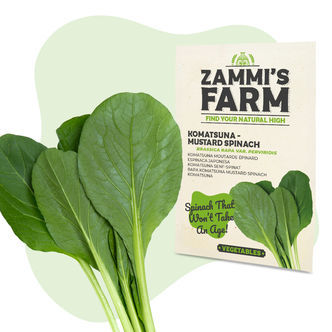
Komatsuna (Brassica rapa var. perviridis) Seeds
Komatsuna is a unique variety of Mustard Spinach (Brassica rapa), also known as Japanese Mustard Spinach. Like other spinach varieties and leafy greens, Komatsuna seeds are best sown outdoors in nitrogen-rich, moisture-retentive soil. Mulching is recommended to help the soil retain more moisture.
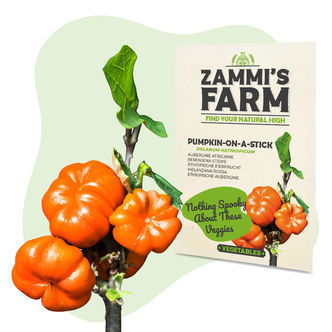
Pumpkin on a Stick (Solanum aethiopicum) Seeds
What can we say about pumpkin on a stick? The name is the biggest clue! These veggies are perfect for adding to cooking, as both the fruit and leaves can be eaten. However, some even opt to use pumpkin on a stick as part of a flower arrangement, giving it plenty of applications for all. Get them started early indoors, and then let them bask in the summer sun. Easy.
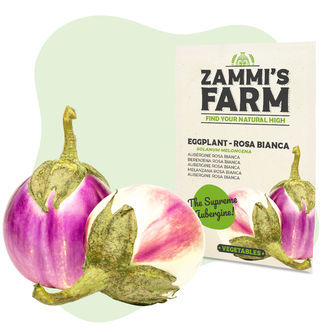
Eggplant 'Rosa Bianca' (Solanum melongena) Seeds
The Rosa Bianca eggplant variety (Solanum melongena) produces large, globe-shaped white fruit with beautiful lavender-purple streaks. Like other eggplant varieties, Rosa Bianca grows best in warm conditions and full sun. It likes fertile, moist, and acidic soil, occasional watering, and a hearty dose of phosphorus during flowering. Remember to mist
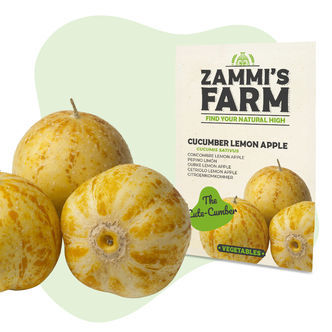
Lemon Apple Cucumber (Cucumis sativus) Seeds
Perfect for salads, the lemon apple cucumber has a slightly sweet flavour that's refreshing and moreish. All it takes is a little gardening know-how, and you'll have some fantastic fruits at your disposal. Get the seeds started under glass, and allow the plants to flourish until late summer. Then,...
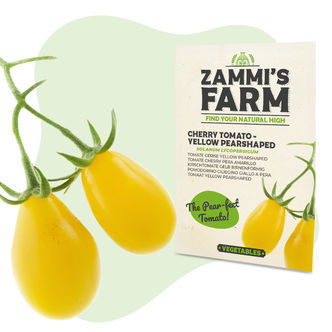
Yellow Pear Cherry Tomato (Solanum lycopersicum) Seeds
Besides their vibrant yellow colour, Yellow Pear Cherry Tomatoes (Solanum lycopersicum) boast a deliciously sweet, slightly acidic flavour. Sow your seeds in spring after the last frost and enjoy an endless supply of sweet cherry tomatoes all through summer. Yellow Pear tomatoes grow best in full sun...
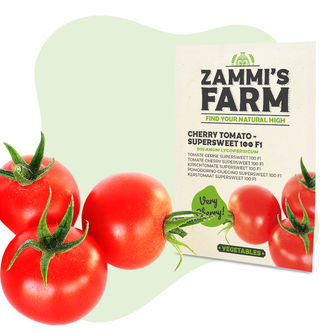
Cherry Tomato 'Supersweet 100 F1' (Solanum lycopersicum) Seeds
The Supersweet 100 cherry tomato hybrid is one of those plant hybrids that says it all in its name: these plants produce extremely sweet fruit and, in the right conditions, can grow into long vines capable of producing 100 or more tomatoes at once. Note that this is a tall tomato variety that needs...
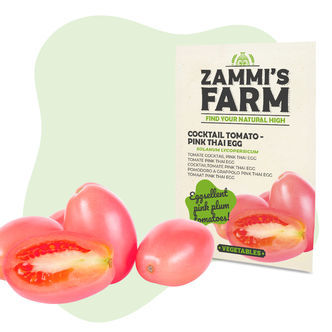
Cocktail Tomato 'Thai Pink Egg' (Solanum lycopersicum) Seeds
Thai Pink Egg Tomatoes originate from Thailand where they're treasured for their bright colour and deliciously sweet flesh. While they grow very similarly to other tomato (Solanum lycopersicum) varieties, Thai Pink Egg tomatoes like a little more water than usual, and hold up better in rainy climates as well as heat waves. Remember to prune and fertilize tomatoes regularly for bountiful...
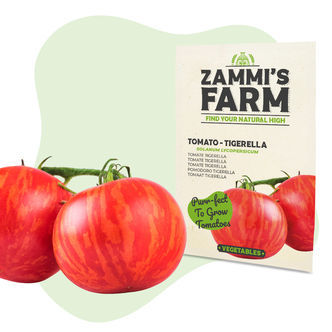
Tigerella Tomato (Solanum lycopersicum) Seeds
Boasting deep red skin with bright orange streaks, Tigerella tomatoes are a real sight for the eyes. This heirloom tomato variety (Solanum lycopersicum) is also very hardy and low-maintenance. Tigerella tomatoes grow well in full sun, and hold up well to mould and pests, though regular pest control is still recommended, as with all tomatoes. They produce aromatic, sweet fruit in 55-60 days.
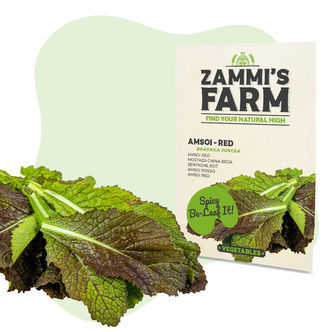
Amsoi Red (Brassica juncea var.rugosa) Seeds
Amsoi, also known as Indian Mustard, has a spicy flavour making it ideal for use in salads and Asian cuisine. Able to be cultivated in both indoor and outside environments, amsoi is highly resilient and can withstand frost and colder climes effortlessly, making it a great choice for all levels of growers. Quick to grow and can be harvested many times.
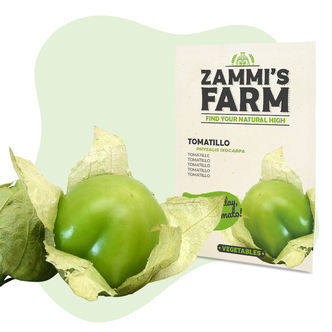
Tomatillo (Physalis ixocarpa) Seeds
The Tomatillo or Mexican Husk Tomato dates back to the pre-Columbian era. It produces a spherical fruit with a green/purplish colour that looks similar to tomatoes but has a different flavour and texture. Tomatillo seeds are best sown indoors, and plants can be brought outside in Spring after the...

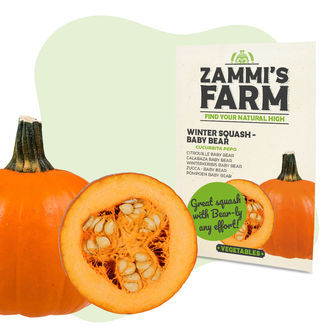
Winter Squash Baby Bear (Cucurbita maxima) Seeds
Baby Bear Winter Squash (Cucurbita maxima) is a must-have for every veggie patch. Germinate your seeds indoors and bring them outside in the spring. Plant Baby Bear squash in soil with plenty of manure or compost to ensure healthy growth and the production of large, sweet fruit. Use tutors, stakes,...
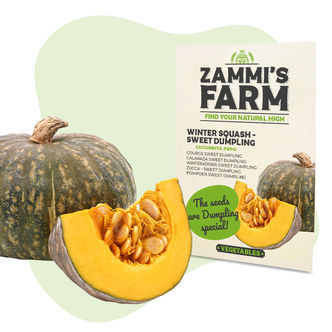
Winter Squash Sweet Dumpling (Cucurbita pepo) Seeds
Sweet Dumpling is a delicious variety of winter squash (Cucurbita pepo) with a hard, cream-coloured rind and tender, sweet flesh. Growing to roughly the size of a grapefruit, Sweet Dumpling squash make a great addition to any veggie patch. Start seedlings off indoor in late winter or directly...
What to grow, and when to get it started
Vegetable seeds are the cheapest thing in the shop and the slowest to pay off, which is a fair trade if you pick varieties that suit the space you actually have.
Our vegetable seed range
Seven tomatoes, six peppers, five cucumbers, four carrots, six squash and pumpkins, peas, beans, onions, leafy greens and a long tail of oddities like salsify, cardoon and pumpkin on a stick. Add eight microgreens and seven sprouting seeds and you have the 74 packets on this page. The herb seeds and chillies live on their own shelves.
Easy vegetables to grow from seed
Rocket sprouts, cress and the microgreen trays are close to foolproof: warmth, damp compost, a windowsill. Radish French Breakfast 3 is the fastest thing that goes in actual soil, and the packet suggests sowing it beside carrots or lettuce. Pole Bean Neckarkonigin goes straight into the ground in mid-May and mostly looks after itself. Broad Bean Leidse Hangers gives long pods holding five to six beans, and freezes well if you get more than you can eat.
When to sow your vegetable seeds
Peppers and tomatoes want an indoor start in February or March, because they need the whole British summer. Carrots, peas and radish go direct from March. Squash and pumpkins start indoors mid-spring and come out after the last frost. Asparagus Argenteuil is the exception worth planning for: three weeks to germinate, then a full year in a nursery bed before it moves to its final trench.
Growing indoors versus outdoors
If all you have is a sill, stick to microgreens, sprouts and the Dwarf Pepper Mixed, which is grown for the red and yellow display rather than flavour, so do not plan a meal around it. With a greenhouse or a sunny patch, Bella F1 cucumber is the sensible pick over the older Telegraph: it resists mildew, though you still want to water the soil and not the leaves. Everything ships in plain packaging, quickly, across the UK.
Questions about growing veg from seed
- What can I sow right now?
Sprouts and microgreens go any month of the year indoors. Outdoors the window is March to May for most things, with peppers and tomatoes started inside a month or two earlier.
- Do I need a greenhouse?
Not for most of the range. Carrots, peas, beans, radish and leafy greens all go straight in the ground. A greenhouse mainly helps peppers, tomatoes and cucumbers reach a decent size in a British summer.
- Are the seeds sent discreetly?
Yes, plain unbranded packaging and quick UK delivery. Nothing on the outside names the contents.
 Filter