 8.6 out of 10 based on 80997 reviews







.svg)
.svg)
.svg)
.svg)
.svg)
.svg)



 Menu
Menu
-
 Vaporshop
All Categories
Vaporshop
Vaporshop
All Categories
Vaporshop
- Top 10 Vaporizers
- Spare Parts & Accessories
- AirVape XS GO (2021)
- Arizer Air MAX
- Arizer Extreme Q
- Arizer Solo 2
- Arizer V-Tower
- Arizer XQ2
- Boundless CFC 2.0 Vaporizer
- Boundless CFX
- Boundless TERA (V3)
- CRAFTY+
- DaVinci IQC
- Dr. Dabber Boost EVO
- DynaVap VapCap "M" PLUS 2023
- DynaVap VonG (i) Titanium
- Flowermate Aura
- Flowermate Cap Pro
- Flowermate Slick
- Flowermate V5.0S Pro
- G Pen Elite II
- G Pen Micro+
- G Pen Roam
- Hyer Big-E Rig
- MIGHTY+
- PAX Mini
- PAX Plus
- PLENTY
- Puffco Peak Smart Rig
- Puffco Plus
- Storm Vaporizer
- The Proxy (Puffco)
- VOLCANO CLASSIC
- VOLCANO HYBRID
- Vapman 2.0
- Vapman Click
-
 Smartshop
All Categories
Smartshop
Smartshop
All Categories
Smartshop
- Top 10 Smartshop
- Zamnesia Gift Cards
- After Party
- Aphrodisiacs
- Aromatherapy
- Blue Lotus
- Capsule Machines
- Crystals, Gemstones & Minerals
- Dream Herbs
- Drug Tests
- Extracts
- Happy Caps
- Herbal Tea
- Herbs & Seeds
- Incense
- Kanna
- Kratom
- LSA Seeds
- Mescaline Cactus
- Microdosing
- Nootropics
- Relaxing
- Salvia divinorum
- Smart Seeds
- Stimulants
- Supplements
- Tinctures
- Vape Herbs
-
 TRIBE
All CategoriesTRIBE
TRIBE
All CategoriesTRIBE
- My Membership
- Spend Gift Points
- TRIBE Sale
- Exclusive products
- Earn Extra Gift Points
- Early Access
- Refer a Friend
- Information
 Mushroom Dosage Calculator


 Help
Help United States
Exotic Seeds: Rare Veg and Ethnobotanicals for Home Growers
Twenty-three seed packs sit on this shelf, and these exotic seeds do two very different jobs. One half is kitchen-garden stuff you won't see on a garden-centre rack: tomatillo (Physalis ixocarpa), kiwano (Cucumis metuliferus), bitter gourd (Momordica charantia), komatsuna (Brassica rapa var. perviridis), Stevia rebaudiana and an artichoke (Cynara scolymus) from Provence. The other half is ethnobotanical seed for collectors, including Ephedra sinica (ma huang), Ephedra viridis, khat (Catha edulis), kanna (Sceletium tortuosum), peyote (Lophophora williamsii) and two tobaccos (Nicotiana rustica & Nicotiana tabacum). Sowing notes for both halves are further down.
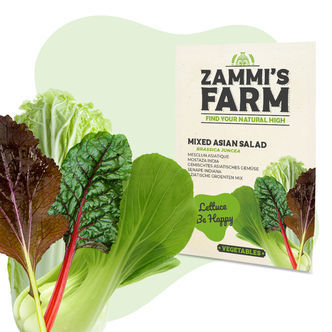
Mixed Asian Greens Seeds
Get your seeds sown in early March, and by the end of August, the young leaves of the greens will be ready to harvest. A versatile combination of pak choi, taisai, tatsoi, turnip greens, chard, Chinese cabbage, leaf mustard and purple frills. All of these combine great flavours in a variety of...
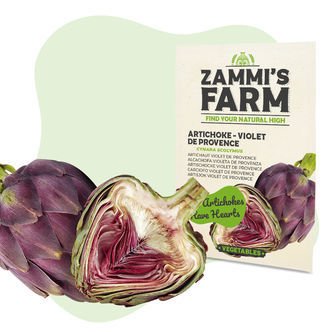
Artichoke 'Violet de Provence' (Cynara Scolymus) Seeds
Not only mindblowing in the flavour department, but Violet de Provence artichokes also showcase amazing looks that make it a must for any garden. Sow the seeds indoors between February and April, and place them outside in early summer. This is a perennial plant that will just keep going as long as...

Komatsuna (Brassica rapa var. perviridis) Seeds
Komatsuna is a unique variety of Mustard Spinach (Brassica rapa), also known as Japanese Mustard Spinach. Like other spinach varieties and leafy greens, Komatsuna seeds are best sown outdoors in nitrogen-rich, moisture-retentive soil. Mulching is recommended to help the soil retain more moisture.
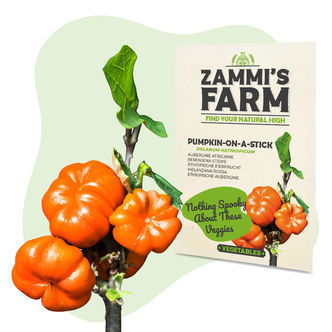
Pumpkin on a Stick (Solanum aethiopicum) Seeds
What can we say about pumpkin on a stick? The name is the biggest clue! These veggies are perfect for adding to cooking, as both the fruit and leaves can be eaten. However, some even opt to use pumpkin on a stick as part of a flower arrangement, giving it plenty of applications for all. Get them started early indoors, and then let them bask in the summer sun. Easy.
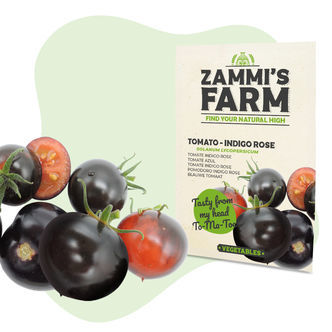
Indigo Rose Tomatoes (Solanum lycopersicum) Seeds
Indigo Rose is a heirloom tomato variety (Solanum lycopersicum) that produces stunning purple/black fruit. Like other tomato varieties, Indigo Rose is best grown in full sun and highly fertile soil, regularly pruned/pinched, and supported with stakes/towers/trellises. Harvest when the shade-facing side of the tomatoes are a soft pinkish-red colour and the sun-facing side a deep...
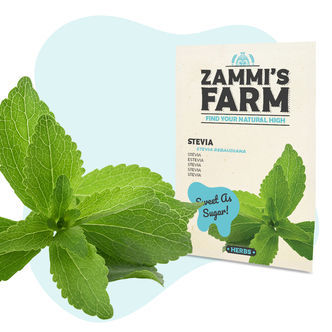
Stevia (Stevia rebaudiana) Seeds
Stevia rebaudiana or sugarleaf is very easy to grow. Germinate seeds indoors and bring them outside in mid-summer. Plant stevia in full sun in well-draining soil with a pH of 6.7-7.2. Feed plants regularly with a natural liquid fertilizer or nitrogen-rich organic fertilizers like compost, worm...

Garlic Chives (Allium tuberosum) Seeds
Also referred to as Chinese chives and oriental garlic, garlic chives are a tasty herb with flavours reminiscent of its namesake. It's used in a wide variety of dishes, such as fish, salads, and soups. Before using them, though, you'll need to grow them! An easy affair, you can grow garlic chives both...


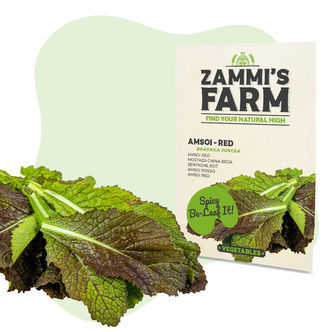
Amsoi Red (Brassica juncea var.rugosa) Seeds
Amsoi, also known as Indian Mustard, has a spicy flavour making it ideal for use in salads and Asian cuisine. Able to be cultivated in both indoor and outside environments, amsoi is highly resilient and can withstand frost and colder climes effortlessly, making it a great choice for all levels of growers. Quick to grow and can be harvested many times.

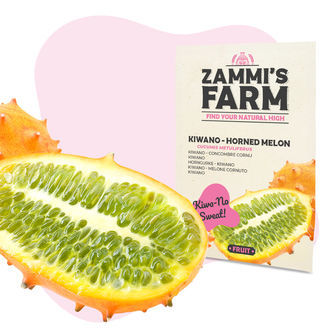
Horned Melon (Cucumis metuliferus) Seeds
Looks can be deceiving with this prickly fruit. It might look a little intimidating, but it's what's inside that counts. The Kiwano houses a sweet taste that's reminiscent of lemons and bananas. Perfect for fruit salads and desserts. Start your plants out in a greenhouse and then place them outside...
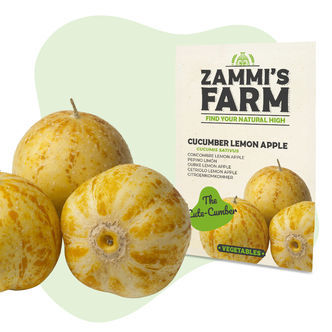
Lemon Apple Cucumber (Cucumis sativus) Seeds
Perfect for salads, the lemon apple cucumber has a slightly sweet flavour that's refreshing and moreish. All it takes is a little gardening know-how, and you'll have some fantastic fruits at your disposal. Get the seeds started under glass, and allow the plants to flourish until late summer. Then,...
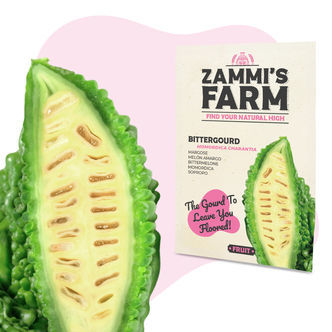
Bitter Gourd (Momordica charantia) Seeds
The bitter gourd, otherwise known as bitter melon or balsam pear, is a fruit that originally comes from Africa and Asia. However, now you can grow it right at home! Start it off in a greenhouse or indoors for 4 weeks, then move it outdoors to flourish in the summer months. Typically, it'll be ready to harvest come October. Pair it with fish or meat, and you simply can't go wrong.
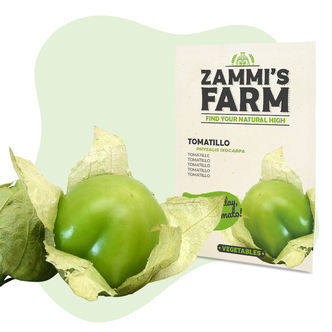
Tomatillo (Physalis ixocarpa) Seeds
The Tomatillo or Mexican Husk Tomato dates back to the pre-Columbian era. It produces a spherical fruit with a green/purplish colour that looks similar to tomatoes but has a different flavour and texture. Tomatillo seeds are best sown indoors, and plants can be brought outside in Spring after the...

Japanese Flower Carpet Seeds
Give your garden a burst of colour with Japanese flower carpet seeds. Ideal for flowerbeds or rows, sow seeds in April, and come summer, you'll see the fruits of your labour. Generally low-maintenance, just ensure the flowers are regularly watered and can flourish in the sun, and they'll bloom effortlessly,...
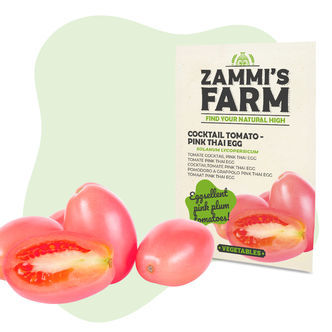
Cocktail Tomato 'Thai Pink Egg' (Solanum lycopersicum) Seeds
Thai Pink Egg Tomatoes originate from Thailand where they're treasured for their bright colour and deliciously sweet flesh. While they grow very similarly to other tomato (Solanum lycopersicum) varieties, Thai Pink Egg tomatoes like a little more water than usual, and hold up better in rainy climates as well as heat waves. Remember to prune and fertilize tomatoes regularly for bountiful...
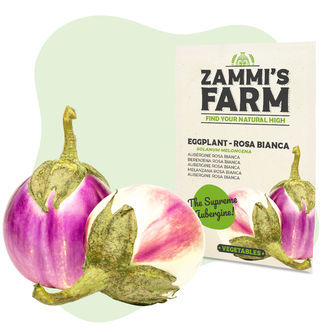
Eggplant 'Rosa Bianca' (Solanum melongena) Seeds
The Rosa Bianca eggplant variety (Solanum melongena) produces large, globe-shaped white fruit with beautiful lavender-purple streaks. Like other eggplant varieties, Rosa Bianca grows best in warm conditions and full sun. It likes fertile, moist, and acidic soil, occasional watering, and a hearty dose of phosphorus during flowering. Remember to mist
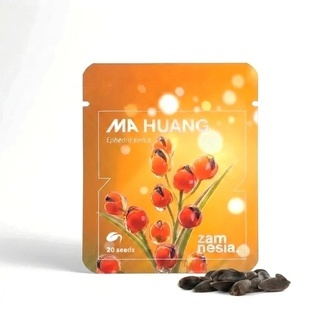
Ma Huang Seeds (Ephedra sinica) 20 Seeds
Ma Huang (Ephedra sinica) is a perennial shrub native to northern China, known for its slender, jointed green stems and long history of traditional use. Grow this rare desert-adapted plant at home from seed. Pack contains 20 seeds.
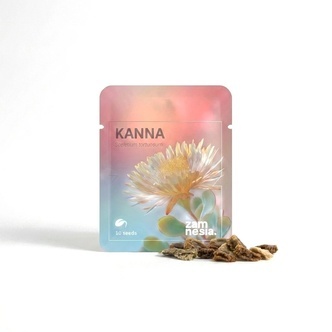
Kanna (Sceletium tortuosum) 10 seeds
Sceletium tortuosum, commonly known as Kanna, is a succulent plant native to South Africa. Local people chew it for mood elevation. The plant is carefree and makes a great houseplant, but is hard to find in garden centers, so you need a seed supplier.
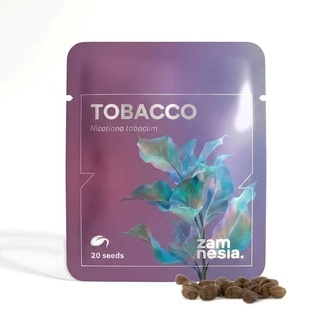
Tobacco (Nicotiana tabacum) 20 seeds
Christopher Columbus, when he set out to find the New World was the first Westerner that came in contact with a plant that the natives called Tobacco. The peoples of the newly discovered land dried the leaves, lit them and engaged in a strange ritual of “smoking” for recreational purposes. Tobacco (Nicotiana tabacum) is now cultivated everywhere and you too can grow Tobacco with our fresh...
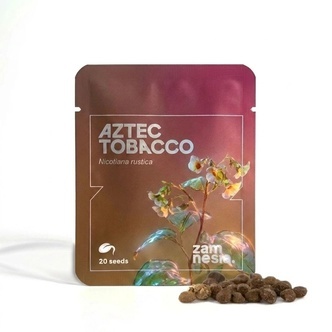
Aztec Tobacco (Nicotiana rustica) 20 seeds
Aztec Tobacco (nicotina rustica), also known as Mapacho, is a wild tobacco plant from the southern part of Mexico and the Yucatan peninsula. What makes this tobacco variety different from others is its strength. This tobacco can have up to twenty times more nicotine than regular tobacco. With our fresh Mapacho seeds you can now grow your own Mapacho tobacco plants at home!

Green Mormon Tea Seeds (Ephedra viridis) 20 Seeds
Green Mormon Tea (Ephedra viridis, family Ephedraceae) is a striking desert shrub native to the rocky slopes and canyon walls of the western United States. This pack contains 20 seeds for growing this unusual, drought-adapted plant at home.
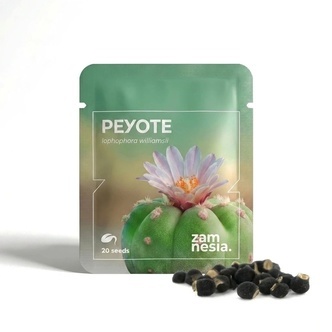
Peyote (Lophophora williamsii) 20 seeds
With our freshly harvested high quality Lophophora williamsii (Peyote) seeds you can now grow your own Peyote cacti at home. As compared to fully grown Peyote cacti plants, cultivating your own Peyote can be more economic because you can grow them at relatively low cost. Plus, being able to watch your Peyote seeds grow to full-grown flowering plants can make for a fascinating hobby all on...
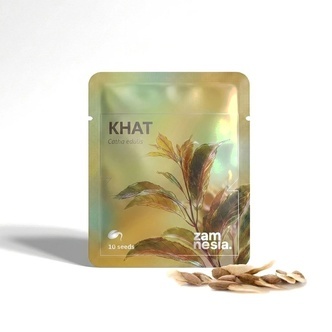
Khat (Catha edulis) 10 seeds
Khat (Qat aka “Flower of Paradise”) is an evergreen shrub that is native to Arabia and East Africa. In these regions of the world, Khat is cultivated and widely consumed as a chew because of the plant’s effect that can cause slight excitement and euphoria. With our fresh Khat seeds you can grow your own genuine Khat plants easily at home!

Exotic Seed Pack - Zammi's Farm
This pack of exotic plant seeds contains a range of seeds that will allow you to grow a weird and wonderful array of fruit and veg in your garden! If you want to grow plants that look great, and taste great come harvest time, you're in luck! Impress yourself and your friends with the Exotic Seed Pack.
From Husk Tomatoes to Ma Huang: What's on This Shelf
Biggest myth about exotic seeds: that they all need a heated greenhouse and a tropical postcode. Amsoi Red shrugs off frost, komatsuna goes in any time from early spring to autumn, and the Violet de Provence artichoke is a perennial that only wants a cover through winter. The second myth is that everything filed under "exotic" is the same kind of plant. It isn't. Half of this shelf is unusual fruit and veg for the kitchen, half is ethnobotanical seed for collectors, and the two want completely different handling.
Unusual Fruit and Veg That Cope With a British Summer
Most of the edible half starts under glass or on a windowsill, then goes out once the last frost has passed. Nothing here is difficult; a few are just slower than a courgette.
Odd fruit: husk tomatoes, horned melon and bitter gourd
Tomatillo (Physalis ixocarpa) is the Mexican husk tomato that predates Columbus, sown indoors, moved out in spring, then given well-draining soil, full sun and regular organic feed. Kiwano hides a jelly-like flesh that tastes somewhere between lemon and banana behind a spiky orange skin, and it needs a genuinely warm spot to finish. Bitter gourd gets four weeks inside, then the summer outdoors, and is usually ready around October. Watch out for the name: it means it, so it works better next to fish or meat than on its own. Lemon Apple Cucumber is round, pale and sweet under glass, while Cucumber Bella F1 is the long crisp one that shakes off mildew.
Rare herbs and quick-cutting Asian greens
Amsoi Red brings a hot mustard bite to salads, handles cold, and can be cut several times. Komatsuna wants nitrogen-rich, moisture-retentive soil and a mulch on top. The Mixed Asian Greens pack goes in around early March and gives young leaves through to the end of August, with pak choi, tatsoi, taisai, chard, Chinese cabbage, leaf mustard and purple frills all in one sowing. Garlic Chives release that soft garlic smell when you brush past them; if you want the plain onion version, Chives 'Medium Fine' goes outside once seedlings reach about 10 cm. Stevia germinates indoors, moves out in mid-summer and prefers a pH of 6.7 to 7.2.
Desert Cacti, Jointed Shrubs and the Ma Huang Question
Yes, Ephedra sinica seed is on this page, sold as ma huang in packs of 20. Treat it like its American cousin: shallow sowing in a sandy, free-draining mix, plenty of warmth and a lot of patience. Green Mormon Tea (Ephedra viridis) goes in no deeper than 5 mm and usually shows in about two weeks, but germination is irregular, so don't bin a tray early. It's also dioecious, male or female per plant, which is why sowing several from the 20-seed pack matters. Peyote (Lophophora williamsii) wants a mineral mix of roughly 50% sand, 25% grit or bims and 25% potting soil, minimum 10°C and hard sun; it stays low and globular for years, so if you'd rather watch a cactus climb, San Pedro (Echinopsis pachanoi) is far quicker. Khat comes as 10 seeds, sprouts within a week in a well-draining cactus mix, and gets repotted at 5-10 cm, though the seedlings are prone to fungus. Kanna, Aztec Tobacco and Tobacco fill out the rest. Growing notes only on this half of the shelf; these are collector plants, not salad.
Ornamental Mixes and Where We'd Start
Japanese Flower Carpet goes in during April and fills a bed or a row with colour by summer on nothing more than sun and regular water. Pumpkin on a Stick works twice over, fruit and leaves both edible, or dried for arrangements. Eggplant 'Rosa Bianca' is a white globe streaked with lavender, next to 'Black Beauty' as the classic dark-skinned original. On tomatoes you get Cocktail 'Thai Pink Egg' and the near-black Indigo Rose, with striped Tigerella as the other heirloom option. Can't pick? The Zammi's Farm Exotic Seed Pack bundles six of these (Pumpkin on a Stick, Kiwano, Lemon Apple Cucumber, Tomatillo, Garlic Chives and Indigo Rose) and it's what we'd hand a first-timer. Collectors chasing the Ephedra genus should skip the pack and buy the 20-seed packs on their own.
Frequently asked questions
- Do you sell Ephedra sinica (ma huang) seeds?
Yes, ma huang seed is stocked on this page in packs of 20. It's the Asian species in the same genus as Green Mormon Tea (Ephedra viridis), so it gets the same treatment: sow shallow in a sandy, free-draining mix, keep it warm and give it a sunny, dry spot. Germination in this genus is slow and uneven, so sow the whole pack rather than a few seeds.
- What actually counts as an exotic seed here?
Two things. First, edible plants you won't find on a supermarket seed rack, like tomatillo, kiwano, bitter gourd, komatsuna and stevia. Second, ethnobotanical species grown by collectors, including the two Ephedras, khat, kanna, peyote and Aztec Tobacco. They share a page, but they're grown for very different reasons.
- Which of these are easiest for a first-time grower?
Start with the leafy ones. Amsoi Red is tough enough to take frost, komatsuna can go in from early spring to autumn, and the Mixed Asian Greens pack gives you cuttable leaves within a season. Peyote and the Ephedra species are the opposite end: slow, fussy about drainage and better once you've had a few sowings under your belt.
- Do I need a greenhouse for the exotic vegetables?
For some of them, yes at the start. Kiwano, bitter gourd and Lemon Apple Cucumber all do better begun under glass or indoors before moving outside for the summer. The Asian greens, garlic chives and Japanese Flower Carpet are happy sown straight outdoors in the right season.
- How long do peyote seeds take before you see anything?
Our Lophophora williamsii seed is freshly harvested, which helps, but this cactus is genuinely slow. Give it a mostly mineral mix (around 50% sand, 25% grit or bims, 25% potting soil), a minimum of 10°C and as much direct sun as you can manage, then leave it alone. If waiting years for a globular plant isn't your thing, San Pedro puts on columnar growth far faster.
 Filter