 8.6 out of 10 based on 81236 reviews







.svg)
.svg)
.svg)
.svg)
.svg)
.svg)



 Menu
Menu
-
 Vaporshop
All Categories
Vaporshop
Vaporshop
All Categories
Vaporshop
- Top 10 Vaporizers
- Spare Parts & Accessories
- AirVape XS GO (2021)
- Arizer Air MAX
- Arizer Extreme Q
- Arizer Solo 2
- Arizer V-Tower
- Arizer XQ2
- Boundless CFC 2.0 Vaporizer
- Boundless CFX
- Boundless TERA (V3)
- CRAFTY+
- DaVinci IQC
- Dr. Dabber Boost EVO
- DynaVap VapCap "M" PLUS 2023
- DynaVap VonG (i) Titanium
- Flowermate Aura
- Flowermate Cap Pro
- Flowermate Slick
- Flowermate V5.0S Pro
- G Pen Elite II
- G Pen Micro+
- G Pen Roam
- Hyer Big-E Rig
- MIGHTY+
- PAX Mini
- PAX Plus
- PLENTY
- Puffco Peak Smart Rig
- Puffco Plus
- Storm Vaporizer
- The Proxy (Puffco)
- VOLCANO CLASSIC
- VOLCANO HYBRID
- Vapman 2.0
- Vapman Click
-
 Smartshop
All Categories
Smartshop
Smartshop
All Categories
Smartshop
- Top 10 Smartshop
- Zamnesia Gift Cards
- After Party
- Aphrodisiacs
- Aromatherapy
- Blue Lotus
- Capsule Machines
- Crystals, Gemstones & Minerals
- Dream Herbs
- Drug Tests
- Extracts
- Happy Caps
- Herbal Tea
- Herbs & Seeds
- Incense
- Kanna
- Kratom
- LSA Seeds
- Mescaline Cactus
- Microdosing
- Nootropics
- Relaxing
- Salvia divinorum
- Smart Seeds
- Stimulants
- Supplements
- Tinctures
- Vape Herbs
-
 TRIBE
All CategoriesTRIBE
TRIBE
All CategoriesTRIBE
- My Membership
- Spend Gift Points
- TRIBE Sale
- Exclusive products
- Earn Extra Gift Points
- Early Access
- Refer a Friend
- Information
 Mushroom Dosage Calculator


 Help
HelpLSA Seeds: Hawaiian Baby Woodrose, Morning Glory and More
Long before anyone isolated lysergic acid amide in a lab, Mazatec and Aztec ceremonies were already built around the seeds that carry it. Those same Convolvulaceae vines are on this page: Hawaiian Baby Woodrose (Argyreia nervosa), Morning Glory (Ipomoea tricolor) and the Madagascar variety. Here is what LSA is, how it differs from LSD, and what a session actually looks like.
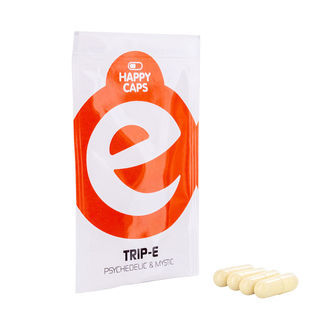
Trip-E
This herbal psychedelic from Happy Caps is based on Hawaiian Baby Woodrose (HBW) seeds (Argyreia nervosa), with a shot of cafeine for added buzz.
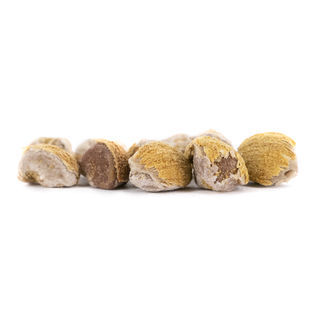
Hawaiian Baby Woodrose (Argyreia nervosa) 10 seeds
Hawaiian baby woodrose (Argyreia nervosa) is a perennial climbing vine with large heart-shaped leaves and white trumpet-shaped flowers. Originally native to India, it now grows around the world, including Hawaii. Its large furry seeds grow in seedpods and contain the psychedelic LSA.
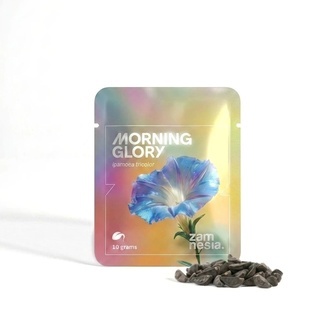
Morning Glory Seeds (Ipomoea tricolor) 10g
Morning Glory (Ipomoea tricolor) is a fast-growing annual vine native to tropical America, with a documented history of ceremonial use by the ancient Maya. The seeds contain lysergic acid amide (LSA), an indole alkaloid. This pack contains 10g of Ipomoea tricolor seeds.
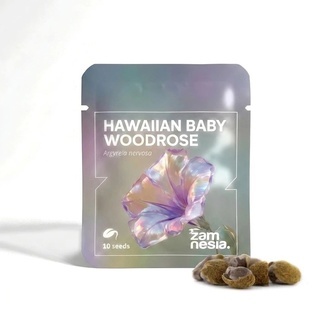
Hawaiian Baby Woodrose Madagascar (Argyreia nervosa) 10 seeds
Due to popular demand, we've added this Madagascar variety of Hawaiian Baby Woodrose Seeds, which is reportedly stronger than other varieties.
From ololiuqui to your doorstep
The Spanish chroniclers who reached Mexico wrote down a seed the Aztecs called ololiuqui, taken by priests to answer questions. Centuries later Albert Hofmann identified what was in it: lysergic acid amide. The same compound turns up in the seeds sold on this page.
What are LSA seeds
LSA stands for lysergic acid amide, an ergoline alkaloid also known as ergine. Plants in the Convolvulaceae family park it in their seeds, which is why seed is the format you buy rather than leaf or root. It is not a lab product and it is not an extract. It is a seed with an alkaloid in it, and the concentration varies from seed to seed, between 3 and 34 micrograms in specimens of the same size.
The plants that carry it
Hawaiian Baby Woodrose (Argyreia nervosa) is the heavyweight: a perennial climber from the Indian subcontinent with heart-shaped leaves, white trumpet flowers and thick furry seeds, ten to a pack. The Madagascar variety is the same species grown elsewhere and has a reputation for hitting harder. Morning Glory (Ipomoea tricolor) is the annual cousin from Mexico and Central America, a fast 2.5 to 3 metre vine sold by weight at 10 grams a pack. Ololiuqui itself, Rivea corymbosa, is the third species in the family and the one the historical accounts describe. Our guide to Hawaiian Baby Woodrose goes deeper on the botany.
LSA compared with LSD
Same molecular backbone, very different afternoon. LSD is bright, fast and visual. LSA is slower, heavier and turned inward, closer to lying in a hammock than to a light show, and it tends to send people to sleep at the end rather than leave them wired. If you want the chemistry properly explained, read LSD vs LSA.
How people take them
Effects usually run 4 to 10 hours, so it is an evening, not a quick errand. Nausea is the honest catch: LSA is rough on the stomach and a queasy opening hour catches most first-timers out. Keep a sober friend nearby, do not stack it with anything else, and read LSA effects and dosage before you plan a session. If you would rather not deal with seed at all, Trip-E capsules hold 150 mg of Hawaiian Baby Woodrose each, with 15 mg of caffeine to take the edge off the drowsiness.
Our range and delivery
Four options, all sent in plain unbranded packaging with fast UK delivery. Fresh stock matters more here than with most seeds, because alkaloid content fades in seeds that have sat in a warm warehouse for years. Ours move quickly. The wider smartshop range has the rest.
LSA seeds FAQ
- Which plants contain LSA?
Three species in the Convolvulaceae family are known for it: Argyreia nervosa (Hawaiian Baby Woodrose), Ipomoea tricolor (Morning Glory) and Rivea corymbosa, the ololiuqui of the old Aztec accounts.
- How long do the effects last?
Usually 4 to 10 hours, with a slow build rather than a sudden switch. Plan a whole evening rather than a couple of hours.
- Why does LSA cause nausea?
The seeds carry other alkaloids besides LSA, and those are hard on the stomach. A queasy first hour is the most commonly reported side effect, alongside heavy sedation.
- Can I grow Hawaiian Baby Woodrose in the UK?
It is a tropical perennial, so it wants warmth. Most UK growers keep it in a pot indoors or in a greenhouse. Morning Glory is the easier one outdoors, since it finishes a full season in one summer.