 8.6 out of 10 based on 81137 reviews







.svg)
.svg)
.svg)
.svg)
.svg)
.svg)



 Menu
Menu
-
 Vaporshop
All Categories
Vaporshop
Vaporshop
All Categories
Vaporshop
- Top 10 Vaporizers
- Spare Parts & Accessories
- AirVape XS GO (2021)
- Arizer Air MAX
- Arizer Extreme Q
- Arizer Solo 2
- Arizer V-Tower
- Arizer XQ2
- Boundless CFC 2.0 Vaporizer
- Boundless CFX
- Boundless TERA (V3)
- CRAFTY+
- DaVinci IQC
- Dr. Dabber Boost EVO
- DynaVap VapCap "M" PLUS 2023
- DynaVap VonG (i) Titanium
- Flowermate Aura
- Flowermate Cap Pro
- Flowermate Slick
- Flowermate V5.0S Pro
- G Pen Elite II
- G Pen Micro+
- G Pen Roam
- Hyer Big-E Rig
- MIGHTY+
- PAX Mini
- PAX Plus
- PLENTY
- Puffco Peak Smart Rig
- Puffco Plus
- Storm Vaporizer
- The Proxy (Puffco)
- VOLCANO CLASSIC
- VOLCANO HYBRID
- Vapman 2.0
- Vapman Click
-
 Smartshop
All Categories
Smartshop
Smartshop
All Categories
Smartshop
- Top 10 Smartshop
- Zamnesia Gift Cards
- After Party
- Aphrodisiacs
- Aromatherapy
- Blue Lotus
- Capsule Machines
- Crystals, Gemstones & Minerals
- Dream Herbs
- Drug Tests
- Extracts
- Happy Caps
- Herbal Tea
- Herbs & Seeds
- Incense
- Kanna
- Kratom
- LSA Seeds
- Mescaline Cactus
- Microdosing
- Nootropics
- Relaxing
- Salvia divinorum
- Smart Seeds
- Stimulants
- Supplements
- Tinctures
- Vape Herbs
-
 TRIBE
All CategoriesTRIBE
TRIBE
All CategoriesTRIBE
- My Membership
- Spend Gift Points
- TRIBE Sale
- Exclusive products
- Earn Extra Gift Points
- Early Access
- Refer a Friend
- Information
 Mushroom Dosage Calculator


 Help
Help United States
Companion Plant Seeds for Your Cannabis Grow
Companion planting isn't one marigold parked next to one cannabis plant. It's a mixed planting that pulls insects somewhere else, keeps bare soil covered, and breaks up the shape of a grow so the whole thing reads as a garden. Aphids get a decoy in the sunflowers, Nitrogen fixation ticks along under the clover, and this shelf holds the loose herb and flower seeds, single-species Buddy Packs and function-named Buddy Mix Packs to do it: SCARE, DEFENDER, STEALTH and NUTRIENT. Decide what you want the plants to do first, then pick the species.

Buddy Mix Pack DEFENDER
These companion plants will work to defend your grow in several ways. They do keep some marauders away on their own. Even better? They also attract insects and bugs that defend your cannabis.

Buddy Mix Pack SCARE
This collection of companions will literally scare the “baddies” away. Most of these plants have either a high odour or emit oils that literally act as a natural insect repellent. Plant them together around your cannabis for a colourful but protective garden.

Buddy Mix Pack STEALTH
These strategic plants all do several things. They tend to be large and concealing or have a strong odour to cover up the smell of cannabis. They also tend to be either super pretty, smell or look great, and even taste delicious. For that reason, this is a must-have bag of tricks for any canna farmer needing...

Sunflower (Helianthus annuus) Buddy Pack
A motif recognized worldwide, the sunflower is really thousands of smaller flowers all arranged in a pretty pattern designed to attract insects. It is ideal as a companion plant for cannabis.
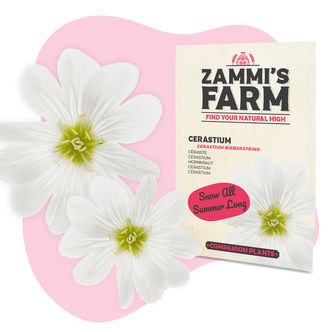
Cerastium (Cerastium biebersteinii) Buddy Pack
Quite tough as an edge plant and eager to spread and be a complete ground cover, Cerastium is an ideal choice when planning your organic cannabis garden.


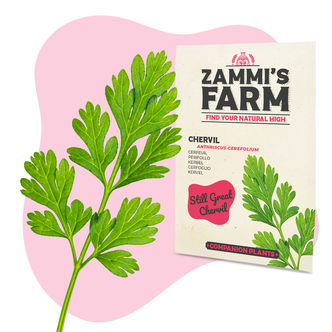
Chervil (Anthriscus cerefolium) Buddy Pack
Chervil is a shade loving annual that produces umbels of delicate white and pale magenta flowers. Chervil imparts vigour to its neighbouring plants including cannabis and is a useful culinary herb.

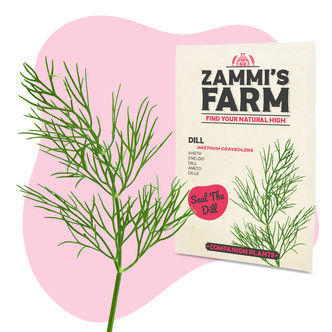
Dill (Anethum graveolens) Buddy Pack
Dill will keep spider mites away from your weed and make you a star in the kitchen. Easy to grow and a good companion to most plants.
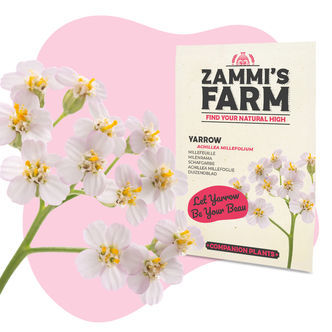
Yarrow (Achillea millefolium) Buddy Pack
Ornate and one of the great attractors Yarrow adds a mad splash of colour and a bug barrier of superb strength and reliability. Easy to grow and wonderfully beneficial to any companion garden.
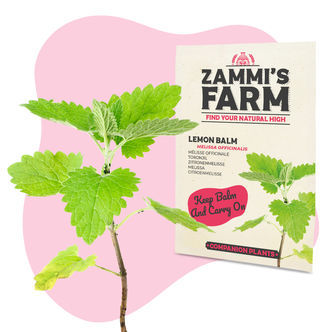
Lemon Balm (Melissa officinalis) Buddy Pack
Lemon Balm is an infinitely useful companion plant for cannabis. Vigorous and easy to grow it is a beneficial addition to any herb garden.
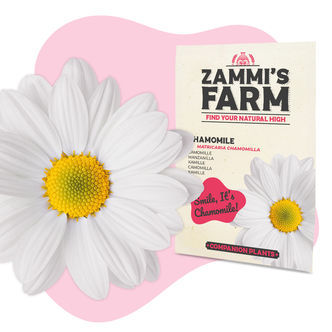
Chamomile (Matricaria chamomilla) Buddy Pack
Hardy and easy to grow or transplant the small and pretty Chamomile plant strengthens growth of neighbouring plants and is an ancient folk medicine.
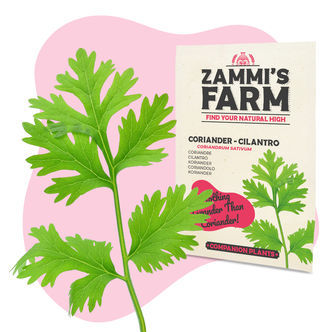
Coriander (Coriandrum sativum) Buddy Pack
For thousands of years Coriander has been a medicine of renown and a favourite spice throughout recorded history. Coriander keeps pests at bay and enhances healthy growth of neighbouring species.
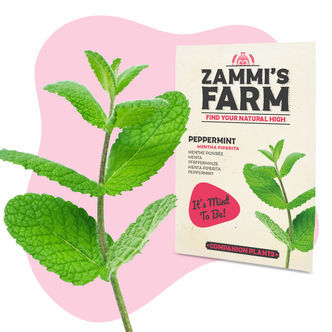
Peppermint (Mentha piperita) Buddy Pack
Peppermint should be on your top ten cannabis companion and infinitely useful plant list. A jug of mojitos just wouldn't be the same without a handful of home grown crushed peppermint.
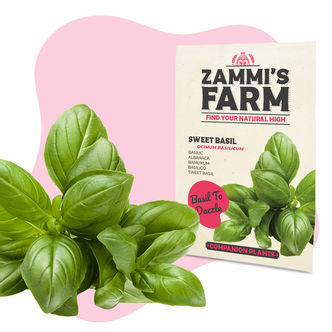
Sweet Basil (Ocimum basilicum) Buddy Pack
Sweet basil loves a warm sunny spot and will reward you with lush green foliage during the warm months.
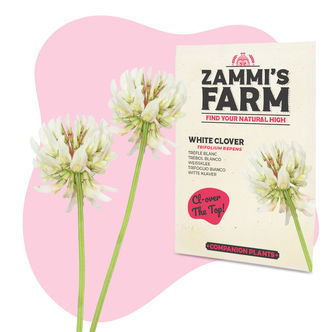
White Clover (Trifolium repens) Buddy Pack
White Clover carpets accompanied by buzzing bees and flirting butterflies will help fix nitrogen in your soil. Cannabis and the other companion plants respond with vigorous green growth when White Clover is used as a companion plant.
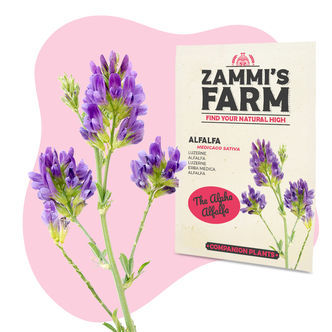
Alfalfa (Medicago sativa) Buddy Pack
Alfalfa fixes nitrogen, iron, magnesium, phosphorus and potassium and can be made into a sprayable tonic that encourages growth in other species of plants including cannabis.
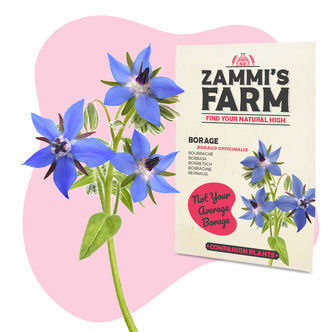
Borage (Borago officinalis) Buddy Pack
Borage adds vitamins and minerals to the soil medium as it grows. You will get fat strawberries and fatter buds companion lanting with Borage.
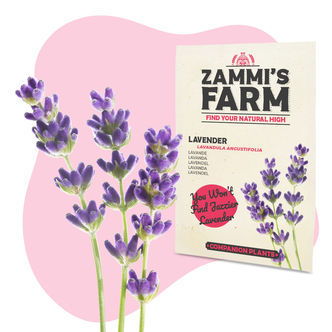
Lavender (Lavandula angustifolia) Pack
A principal therapy in the human apothecary for millenia, lavender doubles as a hardy companion plant that fills the air with a delicious fragrance that attracts bees and other cannabis buddies.

Marigold (Calendula officinalis) Buddy Pack
Marigolds are a growth booster for surrounding plants and deter a host of bugs from your precious cannabis while displaying showy orange flowers.

Pot Markers (Zamnesia) 5 pcs
Cleanliness is next to godliness. When growing several plants of different strains, it is crucial to keep everything well-organized. These pot markers will help you with this task. Write all the required data on them ... date of sowing, strain, required EC-level and so on and you will never confound your precious babies again. Content: 5 pcs. Dimensions: 12 x 4,5cm.
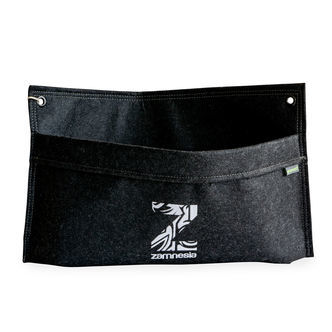
Geotextile Fabric Wall Planter (10L)
These 10L geotextile Wall Planters from Gronest are made from 100% recycled material and are perfect for flowers and plants that love to hang. The fabric has many benefits and it allows for great aeration and run off, leading to healthy roots for your plants. Go vertical and create a garden right on your wall with Gronest's eco-friendly Wall Planters.
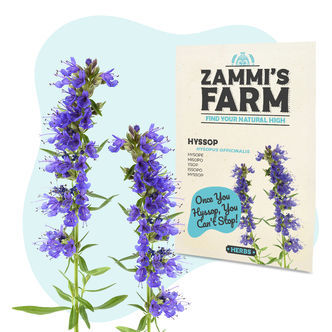
Hyssop (Hyssopus officinalis) Seeds
Hyssop, or Hyssopus officinalis, is part of the mint family and traditionally found in southern Europe and the Middle East. This shrub is quick to grow and needs to be sown in moist soil under full sun in the early summer months of June onward. With harvests as early as August, the flowers and leaves of this

Cumin (Cuminum cyminum) Seeds
Cumin needs long, hot seasons to produce seeds to propagate and use in cooking. Start your seedlings off early (4 weeks before the last frost), and bring them outside once temperatures sit above 15°C. Grow your plants in full sun and water sparingly. They'll begin flowering in mid-summer and be...
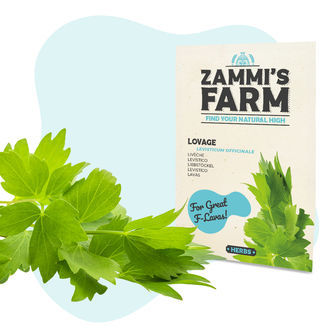
Lovage (Levisticum officinale) Seeds
Lovage seeds are best germinated indoors during spring, then brought outside once they have developed 2 sets of leaves and the last frost has passed. Transplant seedlings into fertile, deep, well-draining soil in full sun. Where possible, keep the soil slightly acidic (roughly 6.5 pH) and partly...

Oregano (Origanum vulgare) Seeds
Grow oregano in well-draining pots or planters in full sun. Oregano plants suffer in moist soil, so water them only when their soil has dried out, and plant them in a light soil mix. Shelter oregano plants during long wet spells, and harvest fresh leaves regularly to encourage new growth. Use...
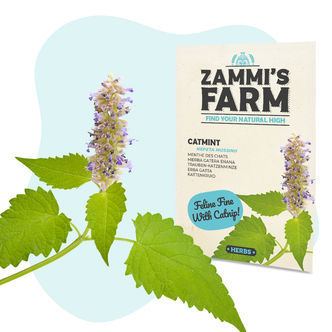
Catmint (Nepeta mussinii) Seeds
Catmint/catnip is very hardy and can be sown directly outside in late spring. It likes slightly acidic, well-draining soil and full sun. Although it appreciates regular watering, established plants can deal with moderate dry spells. Besides being loved by cats, catmint attracts pollinators into the garden...
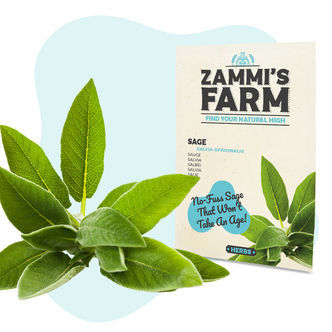
Sage (Salvia officinalis) Seeds
Germinate sage in late fall/early spring in an indoor propagator. Bring seedlings outside after the last frost, once they've developed their first set of true leaves. Plant in pots or garden beds in a sunny spot with well-draining soil. Regularly cut back plants and harvest their fresh leaves (which...
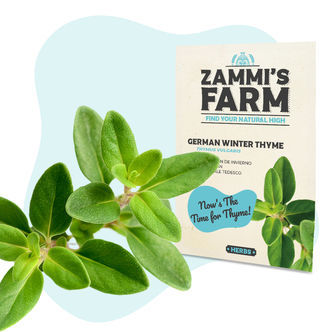
German Winter Thyme (Thymus vulgaris) Seeds
A perennial plant originating from the Mediterranean, German winter thyme, also known as Thymus vulgaris, requires full sun to really flourish. This is a bushy plant that can become a mainstay in your garden for many years under the proper care. Planting in loamy, well-draining soil is the key to...

Rue (Ruta graveolens) Seeds
Ruta graveolens, or simply rue, is very hardy and can tolerate poor soil fertility and droughts. Plant established rue specimens in full sun and water sparingly, especially in dense soils. Use mulch to insulate rue plants during winter, and cut back plants entirely to their old wood in spring to...
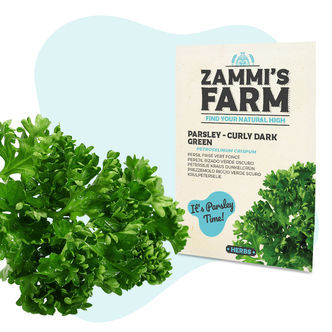
Parsley 'Curly Dark Green' (Petroselinum crispum) Seeds
Unlike most herbs, Petroselinum crispum (parsley) likes fertile soil. Parsley plants can be started indoors in a propagator or on a warm, sunny windowsill. Alternatively, sow directly outdoors after the last frost....

Dandelion (Taraxacum officinale) Seeds
Taraxacum officinale, aka the dandelion, is a herbaceous perennial plant that's perfect for all kinds of growing setups. Allow the beautiful yellow colour to brighten up your life. Sow in spring, and allow plants to flourish over the summer months. Provide well-draining soil and plenty of light and...

White Mustard (Sinapis alba) Seeds
White mustard (Sinapis alba) is versatile. Use the seeds in cooking, sauce making and pickling, and the young leaves in salads and other dishes. The choice is entirely up to you. If you're looking to grow, sow the seeds in March, and they'll be ready in the summer. Generally low maintenance, all it...


Pot Marker (Zamnesia Exclusive) 5 pcs
Whether you're cultivating scorching hot peppers or some of your favourite Zamnesia strains, you're going to want to tell them apart. Cue our Exclusive Pot Markers in a premium black and gold design. These markers are available in a pack of five and are exclusive to our TRIBE members. Not only are you keeping your grow op organised, but it's clear that you're part of the coveted Zamnesia...
Buddy Mix Pack NUTRIENT
The plants in this nutrient pack are great for improving the soil and surrounding environs of your cannabis plants. Some allow the plant to be supported by a root structure that increases drainage. Others literally act as natural, living mineral injectors, starting with nitrogen.
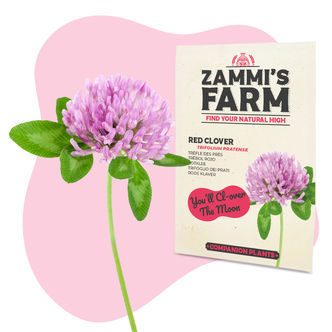
Red Clover (Trifolium pratense) Buddy Pack
Red Clover is a well respected companion plant on the farm and in the backyard. Fixing atmospheric nitrogen for slow release later is its speciality while creating a carpet of living mulch.
Companion Planting for Cannabis: Scare, Defend, Hide, Feed
Here's the myth worth killing early: companion plants are not a pesticide in plant form. Nobody sows a row of calendula and gets a bug-free plot. What a companion planting does is change the odds. Flowers bring in the insects that eat the ones chewing your leaves, aromatic herbs muddle the scent trail pests follow, ground-huggers stop your soil baking dry, and tall stuff simply gets in the way of a nosy line of sight. Think of it as building a garden your cannabis happens to live in, rather than bolting a gadget onto a pot.
Four Jobs, and the Species That Do Them
The Buddy Mix Packs are named after the job, which makes this shelf easy to shop. SCARE leans on smell and taste to push insects off. DEFENDER is the border guard, sown round the edge of a bed so trouble meets it first. STEALTH is about height and bulk, the plants that turn a suspicious cluster of pots into a herb patch. NUTRIENT covers the soil crew, the ground cover and the legumes that put something back while your main plants take.
Underneath the mixes sit the single-species options. Buddy Packs come one plant per pack: Sunflower, Marigold (Calendula officinalis), Cerastium, Alfalfa, White Clover, Red Clover, Chervil, Peppermint, Lavender, Coriander, Dill, Lemon Balm, Sweet Basil, Borage, Chamomile and Yarrow. The loose seed packets add the kitchen end of things, with Sage, German Winter Thyme, Oregano, Parsley 'Curly Dark Green', Cumin, Lovage, White Mustard, Dandelion, Catmint and Rue. A mix pack is the better buy if you're starting from nothing and want cover fast. A single Buddy Pack is the better buy if you already know the gap you're filling, say a metre of empty edge that needs Marigold and nothing else. Everything sits in the wider plant seeds range if you want herbs for their own sake too.
SCARE and DEFENDER: Pushing Bugs Somewhere Else
Marigold is the classic front line. Calendula has been used as a showy border plant in prized gardens for exactly this reason, and it's known to deter beetles, leaf hoppers, Mexican bean beetle and bad nematodes. The Latin label on the French marigold side of the family is Tagetes and root-knot nematode suppression is the effect growers are really after, because it produces a chemical in its roots strong enough that the effect lingers for years after the plants have died back. Once the flowers have gone over, the foliage is good compost material.
Sunflower plays a different trick: it's the decoy. Aphids find that big soft stalk more interesting than your cannabis, and the plant is tough enough to shrug off a lot of insect attack thanks to thick stalks and leathery leaves. Better a sunflower gets chewed than your best plant. Catmint (Nepeta mussinii) earns its place twice over, pulling pollinators in while putting mosquitos and cockroaches off, and it'll take a moderate dry spell once it's established.
The aromatic crew fills in around them. Peppermint, Coriander, Dill, Chervil and Yarrow are traditionally sown as border and interplanting herbs, and the smell is half the point. Crush a peppermint leaf between your fingers and it leaves a cold, sharp smell on your skin for a good ten minutes, which tells you how much volatile oil is in there. Rue (Ruta graveolens) belongs in this camp too, but read the label before you buy: rue can irritate skin on contact, sunlight makes that reaction worse, and it shouldn't be eaten by anyone pregnant or dealing with liver problems. Gloves on whenever you weed near it. If you want a fragrant border with none of that hassle, Lavender does a similar job and you can actually pick it.
STEALTH: Making a Grow Look Like a Garden
Concealment is mostly geometry. A cannabis plant is recognisable because of its outline and because it's usually the only thing there. Break both and you've done most of the work. Sunflowers give you the height, standing head and shoulders above everything else in a single season, with that big yellow head nodding east once it matures. Lavender and Borage bulk out the middle layer. Cerastium (Cerastium biebersteinii) mats across the soil in silvery grey leaves with a shower of white flowers in late spring, so the ground reads as planted rather than dug.
Watch out for the obvious trade-off: tall companions cast shade and drink hard. Sunflowers are drought tolerant and root deep, which means they'll happily take water your cannabis wanted, and a row of them on the sunny side will shade your canopy at midday. Put the height where the sun isn't coming from. Same warning on Cerastium, it's a rapid perennial that can turn invasive, so don't be shy about hacking into it when it gets greedy for room.
Short on ground? The Geotextile Fabric Wall Planter (10L) hangs on a wall or fence and takes fragrant herbs, so a balcony grow can sit behind a screen of Sweet Basil and Peppermint. It's made from recycled PET, and excess water just runs through instead of drowning roots. For younger plants the smaller Geotextile Transplanter Pot makes more sense than a 10L wall unit. The Pot Marker packs in black and gold keep track of what went where, which matters more than you'd think once sixteen seedlings all look like green fuzz. Both live with the rest of the kit in the growshop.
NUTRIENT: Clover, Alfalfa and Soil That Stays Alive
This is the section growers skip and then regret. Bare soil bakes, crusts and loses water. A living mulch shades it. Cerastium is the specialist here, a dense mat that cuts moisture loss to evaporation and throws out a lot of foliage in a short life, all of which goes back into your compost heap.
White Clover, Red Clover and Alfalfa are legumes, which is why growers have sown them under and around crops for centuries. Nitrogen fixation is the shorthand for what's going on below the surface: they work with soil bacteria at the root, and the top growth can be cut and dropped as mulch whenever it gets long. Chamomile, Borage and Lemon Balm bring flowers that keep insects busy in the same beds. Dandelion (Taraxacum officinale) sends down a serious taproot that opens up compacted ground, and its relative Chicory is the root you dry and grind as a coffee stand-in.
The honest catch: in containers, these plants are competition. A pot has a fixed amount of root space and water, and alfalfa roots go deep looking for both. Save the soil crew for beds, borders and the ground your pots stand on. If you're strictly in fabric pots indoors, a clover undersowing does less for you than a decent mulch and a feeding schedule.
Sowing Windows, Bad Neighbours and What Ends Up in the Teapot
Most of this shelf keys off one date: your last frost. In much of the UK that's a May job, later if you're north or high up. Sunflowers go in once frosts have passed. Catmint can be sown straight outside in late spring. Sage, Lovage and Parsley are happier started in an indoor propagator or on a warm windowsill and moved out after the frosts, once they've got their first true leaves. White Mustard is the early one, sown in March and ready over the summer, which makes it handy as a quick soil cover before the main season. Cumin is the fussy one: start it about four weeks before the last frost, only move it out once temperatures sit above 15°C, and expect roughly 120 days to harvest, so it wants your hottest, driest corner.
What to keep away from your cannabis: anything that wants the opposite conditions. Sage, German Winter Thyme and Oregano all want full sun and sharply drained soil, while Parsley likes fertile ground and regular water, so those two groups don't share a container well. Peppermint and Lemon Balm run underground and will colonise a bed, so keep them in their own pot. Cerastium takes over at surface level. Rue is a poor neighbour for anything you'll be handling constantly, given the skin reaction. And because French marigold roots leave an insecticidal residue that hangs around for years, plant it where you're happy for that to stay put rather than in the pot you'll be reusing next season.
The other reason to grow these: the kitchen. Sage leaves crushed between your fingers give off that dusty, savoury smell and make a good tea. German Winter Thyme goes wherever oregano would. Lovage leaves and roots are fine cooked or raw in a salad. White mustard seed does pickles and sauces, young leaves do salads. Catmint brews up too, assuming the cat lets you keep any.
Our pick if you're outdoors this year: DEFENDER round the perimeter, White Clover under and between the pots, and a couple of Sunflower Buddy Packs on the shaded side for height. On a balcony, drop the sunflowers entirely and fill the Wall Planter with Sweet Basil, Peppermint and Lavender instead.
Frequently asked questions
- What are the best companion plants for a cannabis grow?
It depends on the job. Marigold (Calendula officinalis) is the standard border plant and is known to deter beetles, leaf hoppers and bad nematodes, Sunflower works as a decoy that aphids go for instead, and Catmint pulls in pollinators while putting mosquitos off. For soil, White Clover, Red Clover, Alfalfa and Cerastium are the ones to sow. If you'd rather not pick species yourself, the Buddy Mix Packs are sorted by function: SCARE, DEFENDER, STEALTH and NUTRIENT.
- What shouldn't I plant next to cannabis?
Avoid anything with opposite watering needs in the same container. Sage, German Winter Thyme and Oregano want sharp drainage and full sun, while Parsley 'Curly Dark Green' wants fertile soil and regular water, so those two camps fight in one pot. Keep Peppermint and Lemon Balm in their own pots because they spread underground, and give Cerastium room to be cut back when it gets invasive. French marigold roots leave a residue that lingers for years, so plant it where you don't mind that staying.
- When should I sow companion plant seeds in the UK?
Work back from your last frost date, which in most of the UK falls in May. White Mustard goes in as early as March. Sunflower goes out once frosts have passed and Catmint can be sown direct in late spring. Sage, Lovage and Parsley do better started in an indoor propagator or on a sunny windowsill and moved outside after the frosts, and Cumin wants a four-week head start indoors plus temperatures above 15°C before it goes out.
- What's the difference between a Buddy Pack and a Buddy Mix Pack?
A Buddy Pack is one species per pack, so Sunflower, Marigold, Lavender or Alfalfa on its own. A Buddy Mix Pack combines species around a job, named SCARE, DEFENDER, STEALTH or NUTRIENT. Go for a mix if you're starting a plot from scratch and want cover quickly. Go for singles if you already know exactly which gap you're filling.
- Can I use companion plants if I only grow in pots or on a balcony?
Yes, though the soil-feeding side matters less because a pot has limited root space and Alfalfa will just compete for water. Focus on the aromatic and screening plants instead: Sweet Basil, Peppermint, Lavender and Borage. The Geotextile Fabric Wall Planter (10L) hangs on a wall or railing and takes fragrant herbs, so it doubles as a screen. For smaller young plants the Geotextile Transplanter Pot is the better fit.