 8.6 out of 10 based on 81214 reviews








.svg)
.svg)
.svg)
.svg)
.svg)
.svg)



 Menu
Menu
-
 Vaporshop
All Categories
Vaporshop
Vaporshop
All Categories
Vaporshop
- Top 10 Vaporizers
- Spare Parts & Accessories
- AirVape XS GO (2021)
- Arizer Air MAX
- Arizer Extreme Q
- Arizer Solo 2
- Arizer V-Tower
- Arizer XQ2
- Boundless CFC 2.0 Vaporizer
- Boundless CFX
- Boundless TERA (V3)
- CRAFTY+
- DaVinci IQC
- Dr. Dabber Boost EVO
- DynaVap VapCap "M" PLUS 2023
- DynaVap VonG (i) Titanium
- Flowermate Aura
- Flowermate Cap Pro
- Flowermate Slick
- Flowermate V5.0S Pro
- G Pen Elite II
- G Pen Micro+
- G Pen Roam
- Hyer Big-E Rig
- MIGHTY+
- PAX Mini
- PAX Plus
- PLENTY
- Puffco Peak Smart Rig
- Puffco Plus
- Storm Vaporizer
- The Proxy (Puffco)
- VOLCANO CLASSIC
- VOLCANO HYBRID
- Vapman 2.0
- Vapman Click
-
 Smartshop
All Categories
Smartshop
Smartshop
All Categories
Smartshop
- Top 10 Smartshop
- Zamnesia Gift Cards
- After Party
- Aphrodisiacs
- Aromatherapy
- Blue Lotus
- Capsule Machines
- Crystals, Gemstones & Minerals
- Dream Herbs
- Drug Tests
- Extracts
- Happy Caps
- Herbal Tea
- Herbs & Seeds
- Incense
- Kanna
- Kratom
- LSA Seeds
- Mescaline Cactus
- Microdosing
- Nootropics
- Relaxing
- Salvia divinorum
- Smart Seeds
- Stimulants
- Supplements
- Tinctures
- Vape Herbs
-
 TRIBE
All CategoriesTRIBE
TRIBE
All CategoriesTRIBE
- My Membership
- Spend Gift Points
- TRIBE Sale
- Exclusive products
- Earn Extra Gift Points
- Early Access
- Refer a Friend
- Information
 Mushroom Dosage Calculator


 Help
HelpDream Herbs
Dream herbs are botanicals traditionally used to sharpen dream recall and support lucid, vivid dreaming. Often called oneirogens, they range from the classic Calea zacatechichi, the Mexican dream herb of the Chontal people, to Amazonian Bobinsana and African Dream Herb (Entada rheedii). Most are taken as a tea, tincture or blend before sleep. Below you'll find our full range, freshly stocked and shipped discreetly across the UK.
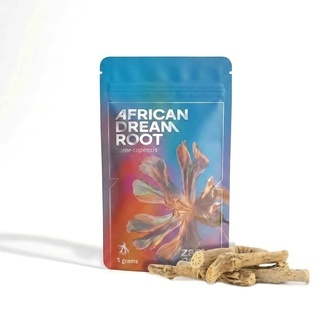
African Dream Root (5 grams)
Native to South Africa, Silene capensis has served as a catalyst for deep and meaningful dreams since antiquity. The fascinating plant also helps to promote sleep readiness and boost sleep function—setting the stage for vivid dreams to occur. Simply process the dream herb, place it into capsules, and get ready to explore the dreamscape.
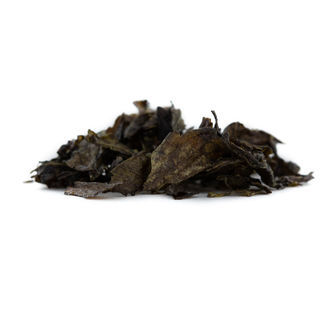
Calea Zacatechichi 10x Extract
Commonly known as the ‘dream herb’, Calea Zacatechichi is known for inducing vivid – even lucid - dreams. Used by Mexico’s native Chontal people of Oaxaca for divination based on dreams.
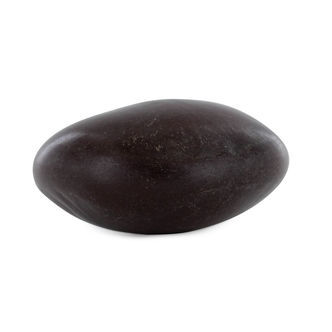
African Dream Seeds (1 seed)
African Dream Seeds are known for their longstanding cultural significance, lucky nature, and the ability to bestow vivid and memorable dreams. Easy to prepare and consume, Entada Rheedii seeds ensure a lively slumber.
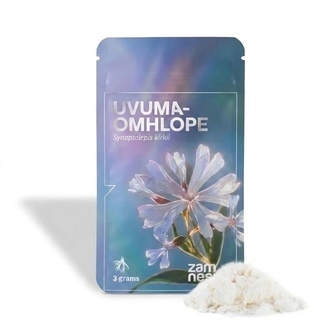
Uvuma-omhlope (3 Grams)
Uvuma-omhlope is used by tribes across Africa for its ability to bring you closer to the spirits in your dreams. It is well known to induce lucid dreams with prophetic and enlightening visions. Using Uvuma-omhlope as part of your regular night time schedule will ensure dreams to remember!
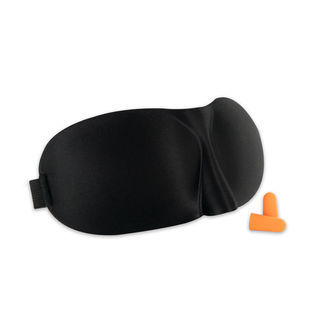
Blind Spot 3000
Tune out with the Blind Spot 3000 for the ultimate in relaxation. The comfortable sleep mask creates total darkness even with your eyes open and in bright light. The included earbuds provide total silence. The flexible foam mask with the adjustable straps comforts to your face while allowing air to circulate. Perfect for meditation and tripping and any time when you want to tune out for a...
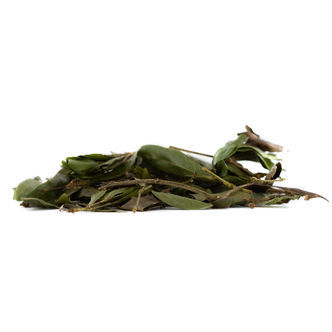
Bobinsana (Calliandra angustifolia) 20g
Bobinsana (Calliandra angustifolia) is a small tree from the Amazon Basin, belonging to the Fabaceae family. Long used by indigenous Amazonian peoples, it is known as a 'plant teacher' in shamanic tradition. Each pack contains 20g of dried leaves.
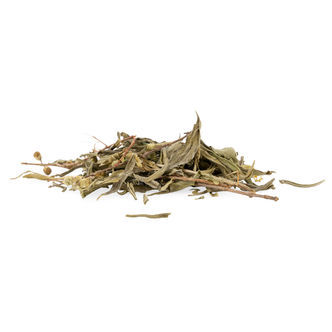
Sinicuichi (Heimia salicifolia) 20 grams
Favoured by the Aztecs, Sinicuichi (Heimia salicifolia) is a sacred herb teeming with alkaloids. Native to the Americas, you can now experience it direct from Zamnesia. It’s never been easier to tap into the wisdom of ancient cultures.
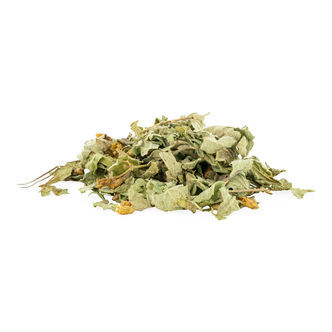
Dream Herb (Calea zacatechichi) 20 grams
Used by indigenous tribes of Mexico, Calea zacatechichi is known by several names, including “dream herb”, “God leaf”, and “bitter grass”. For centuries, shamans have been ingesting the herb during their religious practices, and for healing purposes. Nowadays, this plant is available to anyone willing to try it, and its dried leaves can easily be steeped into a tea.
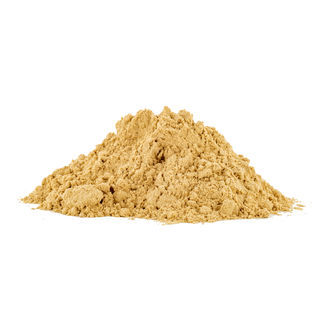
Ashwagandha (Withania somnifera) 50 grams
Often referred to as “Indian ginseng” or “winter cherry”, ashwagandha is a plant whose roots or leaves have been used for thousands of years in Ayurveda. Its botanical name is Withania somnifera, and it's native to India, the Middle East, and some parts of Africa. Whether you choose powder or shredded roots, it's easy to add this herb to your diet.
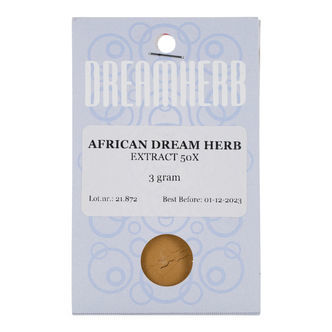
African Dream Herb Extract 50x
Known for its potential ability to soothe and relax the mind, African Dream Herb is ideal for use before heading to bed. It's said that it can even help to promote lucid and vivid dreaming, and has been used in traditional African shamanic ceremonies for many years. Now, you can sample it from the comfort of your home thanks to African Dream Herb Extract 50x.
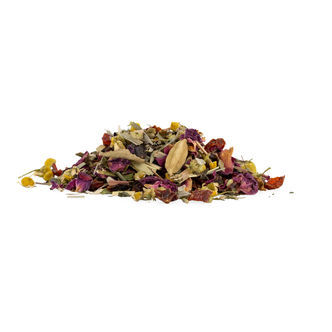
Sweet Dreams Tea Blend
Made with a medley of delicate, fragrant fruits and aromatics such as grapes, Melissa officinalis, rosehip peel, fennel, and lemongrass, the Sweet Dreams tea blend serves as the perfect end to a long day. Its complex yet fine mix of ingredients come together to make for a soothing brew that eases the mind and body, setting the perfect mood for a peaceful slumber.
Dream Herbs, from Recall to Lucidity

The Basics of Lucid Dreaming
Lucid dreaming, where the dreamer can consciously observe and control their dreams, has been practiced by humans for thousands of years. Tibetan Buddhists have explored their own ritualistic form of lucid dreaming called "Dream Yoga" for millennia. Shaman in many cultures use lucid dreaming as a way to connect with the spirit world to gain new insight and inspiration, and for healing purposes.
But you don't need to be a Tibetan monk or a shaman to take advantage of lucid dreaming. Lucid dreams can be beneficial for personal growth, or they can simply be whole lot of fun to experience.
Inside the Dream World
The dream world is infinite because there are no laws or limitations. In your dreams, you can do anything you want. You can fly over cities like a superhero, you can fight like a ninja, you can visit the future and the past and do a million other exciting things.
While self-awareness is not a usual tenet of dreaming, lucid dreams are like an alternate form of reality. We can see, hear, feel, taste, and explore this exciting dimension while we are fully aware and conscious, just as in real life.
Dream Herbs, Explained
Most people know about lucid dreaming or may have heard about it, but not everyone can easily practice it. The skill of lucid dreaming is normally something that needs to be learned. Then again, some things can help us with going on our nightly adventures. Dream herbs are an easy and practical way to achieve this.
Dream herbs belong to a group of entheogens known as "oneirogens" (from the Greek oneiros meaning "dream" and gen meaning "creating"). They can help us create and enhance dream-like states of consciousness. If you are interested in lucid dreaming but have difficulties with it, dream herbs may be what finally unlocks the experience for you.
A Herb in Every Tradition

Humans have used oneirogens throughout history for lucid dreaming, prophetic divination, and for out-of-body experiences. Many dream herbs come from Africa where people see dreams differently than we do in the West. Throughout Africa, dreams and religion are closely linked. The appearance of an ancestor in one's dream is considered a significant experience; the ancestor's message can be a guide for healing, a prophecy, or simply help to influence everyday decisions.
Dreams have also played an important role for Native Americans. Together with practices such as meditation, prayer, and fasting, healers used dream herbs when they were seeking guidance from the spirit world. They used dreams to select the names for newborns and to get the blessing of nature spirits for their hunts.
The use of dream herbs was particularly common in now-Mexico. Tribes such as the Chontal Indians in Oaxaca used various substances to help them lucid dream and recall their dreams upon waking. Among these substances were magic mushrooms, Salvia divinorum, and the dream-inducing Calea zacatechichi.
Native tribes in the Americas still use these types of plants, herbs, and roots before they go to bed so they can dream. Nahuatl Indians use an unidentified species of Salvia named Xiouit. Bacana is another dream-inducing plant that is used by the Tarahumara Indians.
What Lucid Dreaming Can Do
Lucid dreams can be viewed in a number of different ways. While they can indeed present an intriguing and exhilarating "hobby" that is fun and enjoyable, they can also represent much more than that. Lucid dreaming provides opportunities for personal development and growth, as well as reflection and meditation.
Since there are no limits to what you can do in your dreams, they can also be the place to practice real-life activities. You can use your dreams to work on athletic routines, to get creative inspiration, or gather knowledge for your studies. Remember that lucid dreams can feel as real as real life, which makes them excellent training grounds where you can take on your fears and phobias.
Staying Safe While You Dream

Considering people have been lucid dreaming since the dawn of civilisation, there is nothing inherently dangerous about the activity. With that said, those new to the concept may be startled by the occurrence of sleep paralysis. Essentially, what happens is that our body protects us during REM sleep when we dream, so we're unable to move. This is obviously a good thing to happen since falling off the bed or knocking your partner unconscious during a dream would be a rather unpleasant alternative. As a result, dreamers may on occasion wake up still being "paralysed", an experience that understandably scares some people. Experienced lucid dreamers know that sleep paralysis, should it ever happen, is entirely normal and will cause no harm.
In fact, lucid dreamers often taking advantage of the peculiar state between waking and sleeping. In this time where we are between two worlds, our mind is fully awake but we may hallucinate and see or hear things from our dreams. This can be unsettling if it happens to someone who doesn't know what's going on. However, just as with sleep paralysis, know there is no real danger.
How to Use Dream Herbs
The classic route is a cup of tea 30-60 minutes before bed; Calea also comes as a tincture-friendly 10x extract for anyone who can't stomach the famously bitter leaf. The technique that actually moves the needle is wake back to bed: sleep four or five hours, get up briefly, take your herb, then return to sleep straight into REM-heavy territory. Keep a dream journal by the pillow, recall fades within minutes of waking, and honestly, the journal does as much work as any herb we sell.
The Main Types of Dream Herb
Most dream herbs come from Africa or Latin/South America, with many of them being known and used for thousands of years. Some herbs like the African Dream Root (Silene capensis) may be considered as an effective sleeping aid so you can wake up refreshed in the morning. Others, like Calea Zacatechichi from Mexico, are better known for their ability to bring on vivid and lucid dreams.
For best results with your lucid dreams, you may want to experiment with various dream herbs to see which one provides you with the best results.
Dream Herbs FAQ
- What's the best dream herb for beginners in the UK?
Start with Calea zacatechichi for recall or the Sweet Dreams tea blend if you'd rather skip the bitterness. Both ship fresh with fast UK delivery.
- When should I take dream herbs?
Either 30-60 minutes before bed, or during a wake-back-to-bed break a few hours into the night, right before the REM-rich morning sleep.
- Do I need anything besides the herb?
A dream journal helps more than most people expect. Herbs raise dream vividness; writing dreams down is what trains recall and lucidity.