 8.6 out of 10 based on 81086 reviews








.svg)
.svg)
.svg)
.svg)
.svg)
.svg)



 Menu
Menu
-
 Vaporshop
All Categories
Vaporshop
Vaporshop
All Categories
Vaporshop
- Top 10 Vaporizers
- Spare Parts & Accessories
- AirVape XS GO (2021)
- Arizer Air MAX
- Arizer Extreme Q
- Arizer Solo 2
- Arizer V-Tower
- Arizer XQ2
- Boundless CFC 2.0 Vaporizer
- Boundless CFX
- Boundless TERA (V3)
- CRAFTY+
- DaVinci IQC
- Dr. Dabber Boost EVO
- DynaVap VapCap "M" PLUS 2023
- DynaVap VonG (i) Titanium
- Flowermate Aura
- Flowermate Cap Pro
- Flowermate Slick
- Flowermate V5.0S Pro
- G Pen Elite II
- G Pen Micro+
- G Pen Roam
- Hyer Big-E Rig
- MIGHTY+
- PAX Mini
- PAX Plus
- PLENTY
- Puffco Peak Smart Rig
- Puffco Plus
- Storm Vaporizer
- The Proxy (Puffco)
- VOLCANO CLASSIC
- VOLCANO HYBRID
- Vapman 2.0
- Vapman Click
-
 Smartshop
All Categories
Smartshop
Smartshop
All Categories
Smartshop
- Top 10 Smartshop
- Zamnesia Gift Cards
- After Party
- Aphrodisiacs
- Aromatherapy
- Blue Lotus
- Capsule Machines
- Crystals, Gemstones & Minerals
- Dream Herbs
- Drug Tests
- Extracts
- Happy Caps
- Herbal Tea
- Herbs & Seeds
- Incense
- Kanna
- Kratom
- LSA Seeds
- Mescaline Cactus
- Microdosing
- Nootropics
- Relaxing
- Salvia divinorum
- Smart Seeds
- Stimulants
- Supplements
- Tinctures
- Vape Herbs
-
 TRIBE
All CategoriesTRIBE
TRIBE
All CategoriesTRIBE
- My Membership
- Spend Gift Points
- TRIBE Sale
- Exclusive products
- Earn Extra Gift Points
- Early Access
- Refer a Friend
- Information
 Mushroom Dosage Calculator


 Help
Help United States
Medicinal and Wellness Plant Seeds
Twenty-nine seed packets, and every one of them is a plant you sow, water and pick yourself: ashwagandha (Withania somnifera), tansy, valerian, wild lettuce, sage, wormwood, mugwort and the rest of the medicinal herbs shelf, the group shoppers often look for as seeds infusions and kitchen herbs. Some are hardy perennials that will still be going in five years, others are annuals you sow in March and clear out in autumn. Below you'll find sowing times, sun and soil, and which of these will quietly take over a border if you let them.
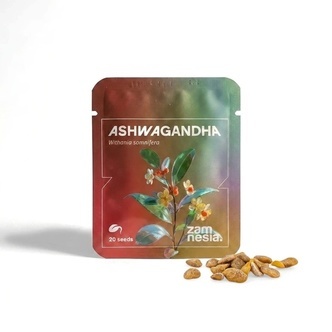
Ashwagandha (Withania somnifera) 20 seeds
Ashwagandha (Withania somnifera) is a shrub native to India, and it has been used for many years in the Ayurvedic tradition. Attractive and easy to cultivate, why not try growing it in your very own garden?
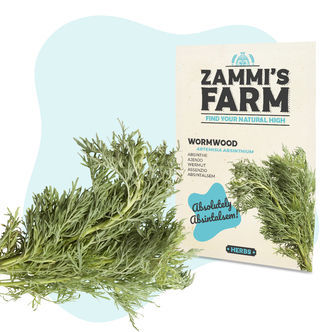
Wormwood (Artemisia absinthium) Seeds
Artemisia absinthium (wormwood) seeds are best germinated in a propagator in early spring, or in garden beds between mid-spring and early summer. Remember to thin out your crop and grow absinth in full sun and well-draining soil. Avoid overwatering; Artemisia absinthium has a high tolerance for drought. It...
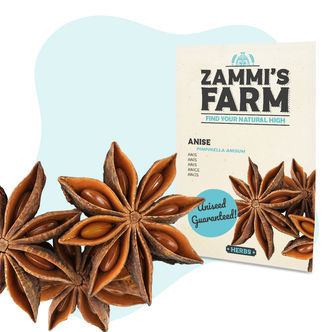
Anise (Pimpinella anisum) Seeds
Anise is best sown in early–mid spring in a sunny but sheltered spot. Germination can take between 3–4 weeks, but may be sped up by soaking seeds in water for a few days prior to planting. Pimpinella anisum hates cold and wet conditions, and likes well-draining, slightly acidic soil. Anise seeds can...
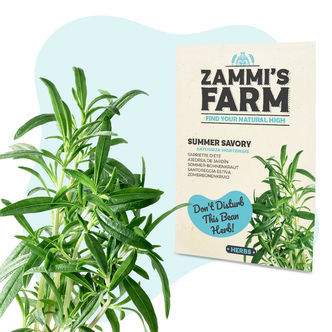
Summer Savory (Satureja hortensis)
Summer savory (Satureja hortensis) belongs to the mint family and is a close relative of thyme and rosemary. It grows well in light, loamy soil with good drainage and plenty of sunlight. Leaves can be harvested as soon as plants reach 12.5–15cm tall, and are best consumed before the plants flower for...
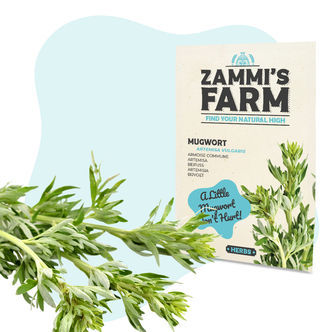
Mugwort (Artemisa vulgaris) Seeds
Artemisa vulgaris likes warm, sunny spots with well-draining, dry soil. Mugwort is a hardy, drought-tolerant plant that grows well in slightly shaded areas and in both acidic and slightly alkaline soil. Mugwort seeds are best germinated in a propagator or outdoors in spring after the risk of frost...
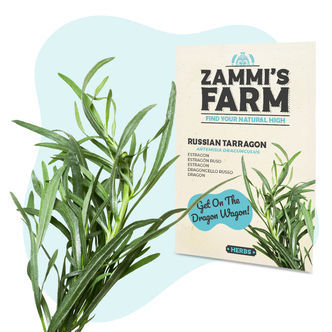
Russian Tarragon (Artemisia dracunculus) Seeds
Tarragon (Artemisia dracunculus) has been cultivated for culinary purposes since at least 500 BCE. This hardy perennial plant likes growing in full sun and fertile, well-draining soil (though it can grow fine even in sandy/loamy soil). Germinate tarragon in spring, and space plants appropriately to...
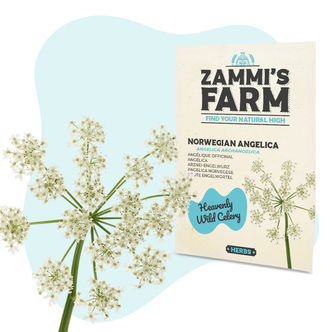
Norwegian Angelica (Angelica archangelica) Seeds
Norwegian angelica is a plant that originates from the Scandinavian region of Northern Europe. Producing edible stems that are similar to celery, it has plenty of uses in cooking, and the roots can even be used in gin distillation. Norwegian angelica requires consistently moist soil to flourish....
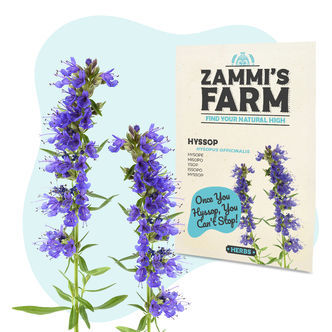
Hyssop (Hyssopus officinalis) Seeds
Hyssop, or Hyssopus officinalis, is part of the mint family and traditionally found in southern Europe and the Middle East. This shrub is quick to grow and needs to be sown in moist soil under full sun in the early summer months of June onward. With harvests as early as August, the flowers and leaves of this
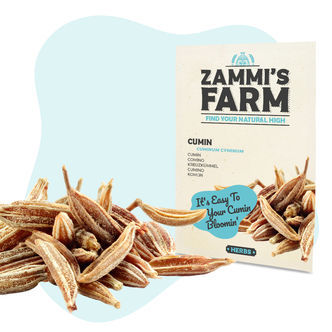
Cumin (Cuminum cyminum) Seeds
Cumin needs long, hot seasons to produce seeds to propagate and use in cooking. Start your seedlings off early (4 weeks before the last frost), and bring them outside once temperatures sit above 15°C. Grow your plants in full sun and water sparingly. They'll begin flowering in mid-summer and be...
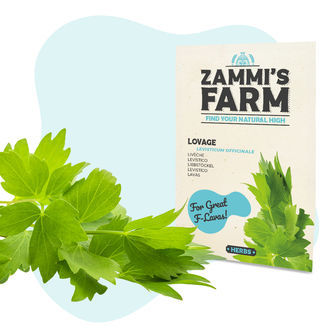
Lovage (Levisticum officinale) Seeds
Lovage seeds are best germinated indoors during spring, then brought outside once they have developed 2 sets of leaves and the last frost has passed. Transplant seedlings into fertile, deep, well-draining soil in full sun. Where possible, keep the soil slightly acidic (roughly 6.5 pH) and partly...
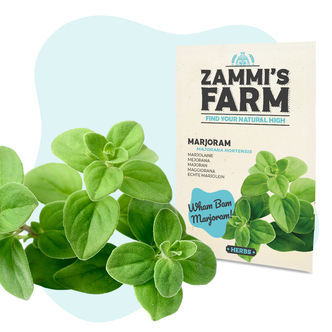
Marjoram (Majorana hortensis) Seeds
Majorana hortensis, or sweet marjoram, loves sunlight just as much as oregano, its closely related cousin. Start marjoram seeds in a propagator or directly outdoors in spring (after the last frost). Marjoram also likes loose, well-draining, and moist soil, though established plants are fairly...
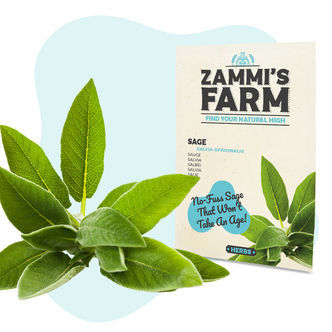
Sage (Salvia officinalis) Seeds
Germinate sage in late fall/early spring in an indoor propagator. Bring seedlings outside after the last frost, once they've developed their first set of true leaves. Plant in pots or garden beds in a sunny spot with well-draining soil. Regularly cut back plants and harvest their fresh leaves (which...
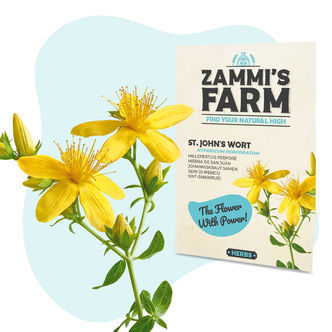
St. John's Wort (Hypericum perforatum) Seeds
Hypericum perforatum, or St. John's wort, is an easy-to-grow perennial with beautiful star-shaped flowers. It grows best in full sun or partial shade, and can tolerate loamy or sandy soils, drought, and even flooding. Plant outdoors from early to mid-summer, and propagate St. John's wort from seed, division,...
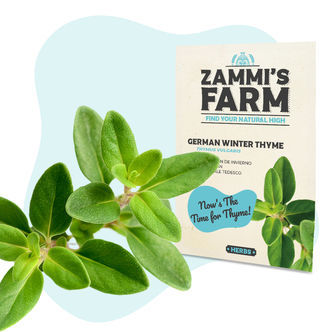
German Winter Thyme (Thymus vulgaris) Seeds
A perennial plant originating from the Mediterranean, German winter thyme, also known as Thymus vulgaris, requires full sun to really flourish. This is a bushy plant that can become a mainstay in your garden for many years under the proper care. Planting in loamy, well-draining soil is the key to...

Rue (Ruta graveolens) Seeds
Ruta graveolens, or simply rue, is very hardy and can tolerate poor soil fertility and droughts. Plant established rue specimens in full sun and water sparingly, especially in dense soils. Use mulch to insulate rue plants during winter, and cut back plants entirely to their old wood in spring to...
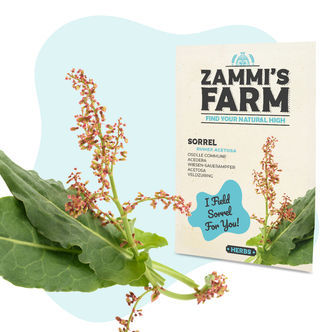
Sorrel (Rumex acetosa) Seeds
Sow sorrel (Rumex acetosa) seeds in light, warm soil in spring (after the last frost). Common garden sorrel likes damp soil, so water regularly while being diligent not to flood the plant's roots. Trim sorrel plants regularly during the growing season to encourage healthy, bushy growth. Sorrel can be...


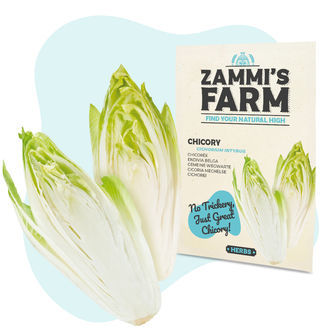
Chicory (Cichorium intybus) Seeds
Sow chicory seeds in spring, after the last frost, in a spot with at least 6hrs of direct sunlight. Take care not to bury the seeds deeper than 0.5cm beneath the soil. Seedlings will sprout after 2–3 weeks in moist (but not wet) soil and should be thinned to leave roughly 30cm between plants. Harvest...


Dandelion (Taraxacum officinale) Seeds
Taraxacum officinale, aka the dandelion, is a herbaceous perennial plant that's perfect for all kinds of growing setups. Allow the beautiful yellow colour to brighten up your life. Sow in spring, and allow plants to flourish over the summer months. Provide well-draining soil and plenty of light and...
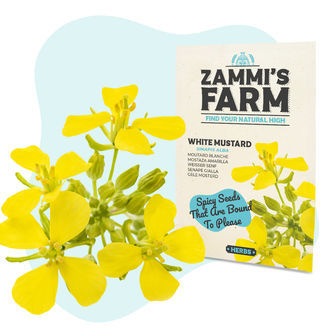
White Mustard (Sinapis alba) Seeds
White mustard (Sinapis alba) is versatile. Use the seeds in cooking, sauce making and pickling, and the young leaves in salads and other dishes. The choice is entirely up to you. If you're looking to grow, sow the seeds in March, and they'll be ready in the summer. Generally low maintenance, all it...
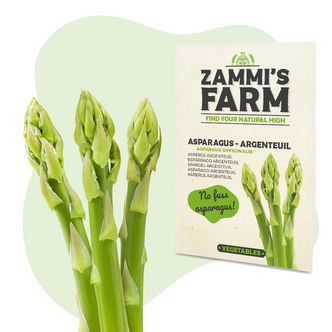
Asparagus 'Argenteuil' (Aspergus officinalis) Seeds
Asparagus plants might take time to get to harvest, but they are well worth the wait. Plant asparagus seeds in rows directly in nursery seed beds 4 weeks before the Ice Saints in sandy soil. Seeds can take 3 weeks to germinate, and young plants should be kept in nurseries for 1 year before moving them to...
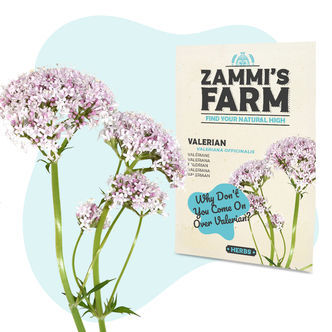
Valerian (Valeriana officinalis) Seeds
Valerian is a hardy plant that thrives in full sun and half-shade in almost all soils. Plant in an outdoor seedbed around April-May, prick out once in June, before transplanting them in autumn to their final position in your garden. The extracted juices of valerian root can be used for making home...
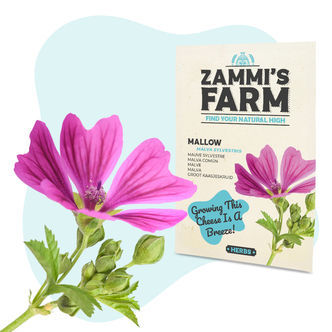
Mallow (Malva sylvestris) Seeds
The mallow, or Malva sylvestris as it's otherwise known, is a plant that's commonly found in the warmer climes of Iran and North Africa. However, now you can grow this colourful companion at home. Sow these seeds in April, and you'll see that come September, you'll have some fully formed flowers at your...
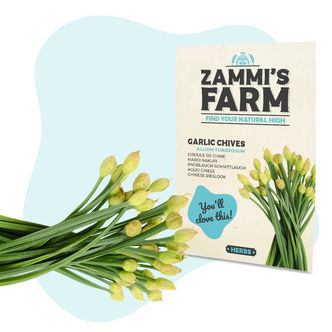
Garlic Chives (Allium tuberosum) Seeds
Also referred to as Chinese chives and oriental garlic, garlic chives are a tasty herb with flavours reminiscent of its namesake. It's used in a wide variety of dishes, such as fish, salads, and soups. Before using them, though, you'll need to grow them! An easy affair, you can grow garlic chives both...
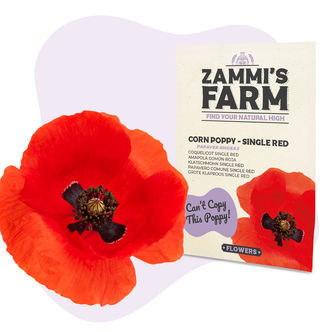
Corn Poppy 'Single Red' (Papaver rhoeas) Seeds
Add some colour to your garden with these bright red poppies. Sow seeds in late spring and watch them flourish. Come June–September, you'll be met with beautiful deep red hues. Low-maintenance and accessible to all levels, just give them plenty of light, warmth, and water.
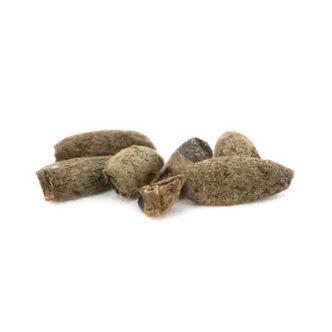
Klip Dagga (Leonotis nepetifolia) Seeds
Native to Africa and Southern India, klip dagga is a colourful plant with a unique appearance. Fortunately, it's also pretty simple to grow. Sow the seeds indoors at the end of April in moist soil, and keep the same conditions until they germinate. Then, move them outside so they can flourish. Provide them...
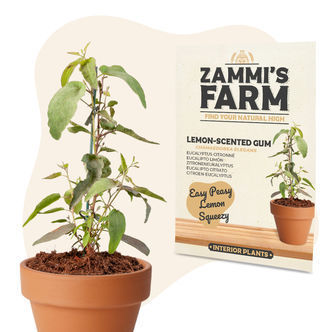
Lemon-Scented Gum (Eucalyptus citriodora) Seeds
Though native to Australia, you don't have to go down under to bask in the beauty of the Lemon-scented Gum Tree. These Eucalyptus citriodora seeds are super hardy and can be grown indoors all over the world all year round. Start your seeds off when it's warm and keep mature plants in full sun and enjoy their...
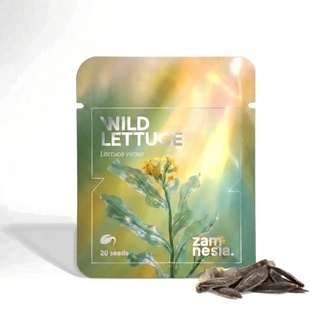
Wild Lettuce (Lactuca virosa) 20 seeds
Wild lettuce (Lactuca virosa) thrives in cool and cold conditions and produces edible leaves throughout most of the year, even into winter. Plus, it's full of nutrients. Get growing!
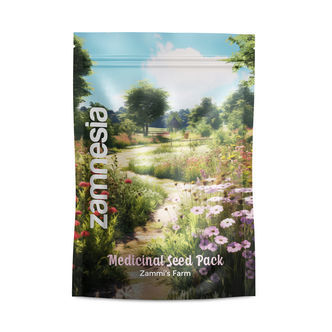
Wellness Seed Pack - Zammi's Farm
This pack of wellness plant seeds allows you to grow traditional botanicals in your very own garden! With a variety of seeds, you can cultivate a selection of plants that you can use in a range of different situations. How good will it feel to head out to your garden and pick some leaves or...
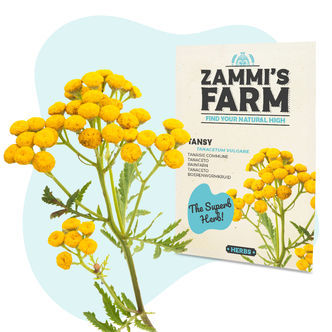
Tansy (Tanacetum vulgare) Seeds
Also known as bitter buttons, cow bitter, and golden buttons, the tansy is a perennial, herbaceous flowering plant that's bright, colourful, and bound to add vibrancy to any garden. Thanks to its resilience, it can be cultivated in a wide range of environments. Provide full sun and well-drained soil, and...
Sowing, Frost, and Which of These Take Over the Border
"Medicinal plant seeds" is a category name, the same way "culinary herbs" is. What arrives is seed, not powder, dried leaf or extract. The ashwagandha listing (Withania somnifera) spells it out: 20 seeds, sown by you. No cannabis seed on this shelf, that sits in a different part of the shop.
Annuals You Sow Once, Perennials That Outlive the Shed
Our medicinal seed range at a glance
Twenty-nine packets, sorted by lifespan. Tansy (Tanacetum vulgare) returns on its own, German winter thyme (Thymus vulgaris) goes bushy and lasts years, and St John's wort (Hypericum perforatum) shrugs off drought and a waterlogged spring. The one season plants: white mustard sown in March and ready by summer, summer savory, cumin, and corn poppy 'Single Red' (Papaver rhoeas) flowering June to September. Elsewhere in Europe: Wellness plantefrø, Wellness-Pflanzensamen, Wellness Plantzaden, Växtfrön för välmående.
| Plant | Botanical name | Cycle | Sow | Light | Harvest |
|---|---|---|---|---|---|
| Ashwagandha | Withania somnifera | annual here | spring, indoors | sun | seed |
| Tansy | Tanacetum vulgare | perennial | spring | sun | leaf, flower |
| Valerian | Valeriana officinalis | perennial | April or May | sun or half shade | root |
| Wild lettuce | Lactuca virosa | biennial | outdoors, cold soil | sun | leaf |
| Sage | Salvia officinalis | perennial | spring | sun | leaf |
| Chicory | Cichorium intybus | perennial | spring | sun | root, leaf |
| Corn poppy 'Single Red' | Papaver rhoeas | annual | spring | sun | flower |
Adaptogens and tonics
Ashwagandha (Withania somnifera) is the packet most people arrive for: roughly six months from sowing to seed, an autumn harvest. Klip Dagga (Leonotis nepetifolia) is the other warm climate name, sown into indoor trays at the end of April.
Wild and traditional herbs
Wormwood (Artemisia absinthium) is the bitter, drought tolerant one used to flavour alcoholic drinks; mugwort (Artemisia vulgaris) is milder, hardier and takes acidic through to slightly alkaline soil. Hyssop (Hyssopus officinalis), thyme and St John's wort fill out the long lived end of the range.
Edible roots and greens
Chicory (Cichorium intybus) sends down a taproot to dry, roast and grind as a coffee stand-in; dandelion (Taraxacum officinale) grows almost anywhere. Sage (Salvia officinalis) earns its keep in cooking and herbal teas, sorrel wants a regular trim, and mallow (Malva sylvestris) sown in April flowers by September. Asparagus 'Argenteuil' (Asparagus officinalis) is the long game: about 3 weeks to come up, a year in a nursery bed, then crowns into trenches.
Sowing Depth, Timing, and the Frost Question
Wild lettuce (Lactuca virosa), identified by its milky latex, breaks the rules: sow it straight outdoors, cover very loosely and leave it cold. It germinates in 10 to 20 days and comes up in frosty soil, while warm soil can stop it dead.
Sowing indoors and hardening off
Lovage starts indoors in spring and goes out once it has two sets of leaves and the last frost has passed. Cumin needs about 4 weeks before the last frost and temperatures above 15°C before it sees the garden. Harden trays off outside over a week first. Hard coated seed takes a soak or light scarification, hardy perennial seed a cold spell (stratification).
Soil, light and watering
Valerian (Valeriana officinalis) takes full sun or half-shade and almost any soil: outdoor seedbed in April or May, pricked out in June, final spot in autumn. Wormwood prefers it dry, and most of the shelf wants sun and free draining ground.
The Four That Will Colonise Your Border
Mugwort, tansy, dandelion and chicory all spread and self-seed with very little help. If your beds are tidy, give them a corner or a large pot.
Picking Leaf, Flower, or Seed, Then Drying It
Cut sage back regularly and it keeps pushing out new growth; the fresh leaves taste best. Wild lettuce gives leaves from spring through autumn, then turns bitter as winter comes in, and cumin is roughly 120 days to seed. Crush a lemon-scented gum leaf (Eucalyptus citriodora) and the citronella scent lingers. Hang small bunches upside down somewhere dark and airy, then store dry leaf in sealed jars. Rue (Ruta graveolens) is not sold or described here as something to eat or brew, it is not an edible plant, and anyone pregnant should leave it alone. Its fresh leaves can burn skin in sunlight, so wear gloves when cutting it. In a British garden we'd take sage over cumin: sage lasts years, cumin wants a long, hot season we rarely get.
Frequently asked questions
- Do you sell medicinal cannabis seeds on this page?
No. This shelf is garden and wild herb species like ashwagandha, tansy, valerian, sage and wild lettuce. Cannabis seed is a separate part of the shop entirely, and nothing here is cannabis. You also get seed rather than powder or dried leaf, so the ashwagandha pack is 20 seeds to sow.
- Which medicinal herbs actually cope with a British garden?
Valerian is the safe bet, hardy and happy in full sun or half-shade in almost any soil. Tansy handles a wide range of conditions, and St John's wort takes drought and flooding without much fuss. Wild lettuce even germinates in cold, frosty soil. Cumin is the one to be careful with, since it needs a long, hot season to set seed.
- When should I sow these seeds?
White mustard goes in around March, mallow in April, valerian into an outdoor seedbed in April or May, and corn poppy in late spring. Lovage and cumin get started indoors before the last frost and move out after it. Wild lettuce is the odd one out and goes straight outside into cold soil.
- Which of these can I grow for herbal teas?
Sage is the one our own copy names for both cooking and herbal teas, and cutting it back regularly keeps fresh leaves coming. You're buying seed, though, so you grow the plant, pick the leaves and dry them yourself. We don't sell ready-made infusions or dried herb on this shelf.
- Which of these plants spread the most?
Mugwort, tansy, dandelion and chicory all self-seed and spread happily. If you like your beds neat, put them in pots or hand them a corner where it doesn't matter. Thyme, sage and marjoram stay far more where you put them.
- Is rue safe to handle in the garden?
Rue (Ruta graveolens) is not sold or described here as something to eat or brew, and it is not an edible plant. Anyone pregnant should leave it alone, and because the fresh leaves can burn skin in sunlight, wear gloves when cutting it.
 Filter