 8.6 out of 10 based on 81184 reviews








.svg)
.svg)
.svg)
.svg)
.svg)
.svg)



 Menu
Menu
-
 Vaporshop
All Categories
Vaporshop
Vaporshop
All Categories
Vaporshop
- Top 10 Vaporizers
- Spare Parts & Accessories
- AirVape XS GO (2021)
- Arizer Air MAX
- Arizer Extreme Q
- Arizer Solo 2
- Arizer V-Tower
- Arizer XQ2
- Boundless CFC 2.0 Vaporizer
- Boundless CFX
- Boundless TERA (V3)
- CRAFTY+
- DaVinci IQC
- Dr. Dabber Boost EVO
- DynaVap VapCap "M" PLUS 2023
- DynaVap VonG (i) Titanium
- Flowermate Aura
- Flowermate Cap Pro
- Flowermate Slick
- Flowermate V5.0S Pro
- G Pen Elite II
- G Pen Micro+
- G Pen Roam
- Hyer Big-E Rig
- MIGHTY+
- PAX Mini
- PAX Plus
- PLENTY
- Puffco Peak Smart Rig
- Puffco Plus
- Storm Vaporizer
- The Proxy (Puffco)
- VOLCANO CLASSIC
- VOLCANO HYBRID
- Vapman 2.0
- Vapman Click
-
 Smartshop
All Categories
Smartshop
Smartshop
All Categories
Smartshop
- Top 10 Smartshop
- Zamnesia Gift Cards
- After Party
- Aphrodisiacs
- Aromatherapy
- Blue Lotus
- Capsule Machines
- Crystals, Gemstones & Minerals
- Dream Herbs
- Drug Tests
- Extracts
- Happy Caps
- Herbal Tea
- Herbs & Seeds
- Incense
- Kanna
- Kratom
- LSA Seeds
- Mescaline Cactus
- Microdosing
- Nootropics
- Relaxing
- Salvia divinorum
- Smart Seeds
- Stimulants
- Supplements
- Tinctures
- Vape Herbs
-
 TRIBE
All CategoriesTRIBE
TRIBE
All CategoriesTRIBE
- My Membership
- Spend Gift Points
- TRIBE Sale
- Exclusive products
- Earn Extra Gift Points
- Early Access
- Refer a Friend
- Information
 Mushroom Dosage Calculator


 Help
Help United States
Psychoactive Plant Seeds: Mescaline Cacti, Poppies and Tobacco
Smart Seeds is our own shelf name, not a seed brand, and what sits under it is ethnobotanical and psychoactive plant seed: mescaline cacti, poppies, mint-family daggas, ephedras, tobaccos and a few tropical climbers. Every pack here is listed with its binomial, its native range and how it wants to be sown, because a seed of Lophophora williamsii and a seed of Papaver somniferum ask completely different things of you. Some germinate in a week on a windowsill, others will still be thumb-sized two summers from now.

Trippy Garden Pack - Smart Seeds
This Trippy Garden Pack contains a range of different seeds that will flourish into plants containing legal psychoactive compounds. If a herb garden doesn't quite cut it for you, then these seeds will give you a real project. Experiment with a range of psychoactive plants and see which you like the best.
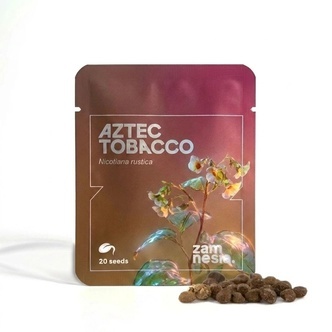
Aztec Tobacco (Nicotiana rustica) 20 seeds
Aztec Tobacco (nicotina rustica), also known as Mapacho, is a wild tobacco plant from the southern part of Mexico and the Yucatan peninsula. What makes this tobacco variety different from others is its strength. This tobacco can have up to twenty times more nicotine than regular tobacco. With our fresh Mapacho seeds you can now grow your own Mapacho tobacco plants at home!

Green Mormon Tea Seeds (Ephedra viridis) 20 Seeds
Green Mormon Tea (Ephedra viridis, family Ephedraceae) is a striking desert shrub native to the rocky slopes and canyon walls of the western United States. This pack contains 20 seeds for growing this unusual, drought-adapted plant at home.

Velvet Bean Seeds (Mucuna pruriens)
Velvet Bean (Mucuna pruriens) is a tropical climbing legume native to Africa and Asia, with a long history of traditional use across multiple cultures. It belongs to the Fabaceae family and is known for its vigorous climbing habit and distinctive hairy pods.
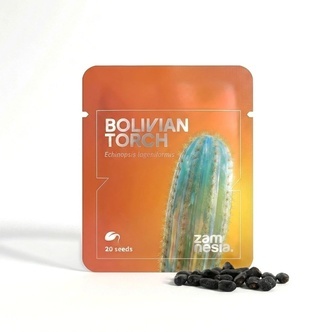
Bolivian Torch (Echinopsis lageniformis) 20 seeds
The Bolivian Torch (Echinopsis lageniformis) is one of the psychedelic cacti of South America that plays an important role in Shamanic rituals. It is similar in appearance to the San Pedro cactus but with fewer and wider...
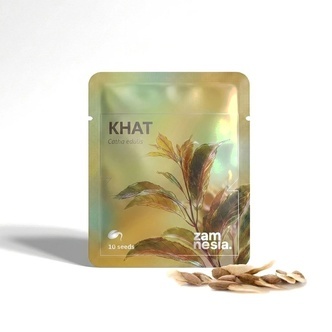
Khat (Catha edulis) 10 seeds
Khat (Qat aka “Flower of Paradise”) is an evergreen shrub that is native to Arabia and East Africa. In these regions of the world, Khat is cultivated and widely consumed as a chew because of the plant’s effect that can cause slight excitement and euphoria. With our fresh Khat seeds you can grow your own genuine Khat plants easily at home!

Ma Huang Seeds (Ephedra sinica) 20 Seeds
Ma Huang (Ephedra sinica) is a perennial shrub native to northern China, known for its slender, jointed green stems and long history of traditional use. Grow this rare desert-adapted plant at home from seed. Pack contains 20 seeds.

Morning Glory Seeds (Ipomoea tricolor) 10g
Morning Glory (Ipomoea tricolor) is a fast-growing annual vine native to tropical America, with a documented history of ceremonial use by the ancient Maya. The seeds contain lysergic acid amide (LSA), an indole alkaloid. This pack contains 10g of Ipomoea tricolor seeds.
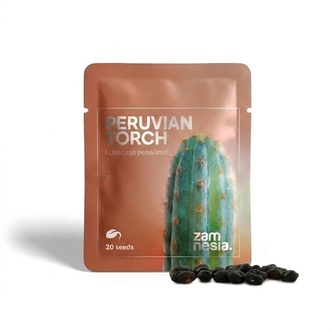
Peruvian Torch (Echinopsis peruviana) 20 seeds
Echinopsis peruviana, better known as the Peruvian Torch cactus is another of the hallucinogenic cacti that is native to South America. The Peruvian Torch contains the psychoactive alkaloid mescaline which makes for powerful, altered states of consciousness. With our fresh Peruvian Torch (Trichocereus peruvianus) seeds you can now grow this sacred cactus easily at home.
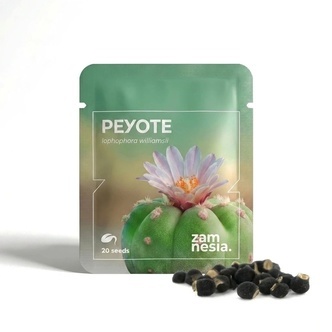
Peyote (Lophophora williamsii) 20 seeds
With our freshly harvested high quality Lophophora williamsii (Peyote) seeds you can now grow your own Peyote cacti at home. As compared to fully grown Peyote cacti plants, cultivating your own Peyote can be more economic because you can grow them at relatively low cost. Plus, being able to watch your Peyote seeds grow to full-grown flowering plants can make for a fascinating hobby all on...
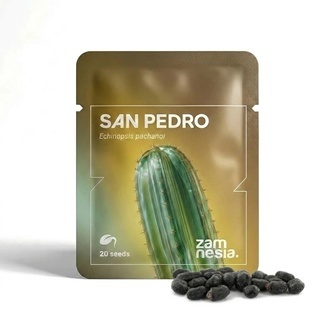
San Pedro (Echinopsis pachanoi) 20 seeds
Echinopsis pachanoi, the original San Pedro cactus is one of the sacred cacti of South America. For centuries, this cactus has played an important role in Shamanic culture. The cactus is a native to Bolivia and contains psychoactive compounds, the most important one Mescaline. With our fresh Echinopsis pachanoi...
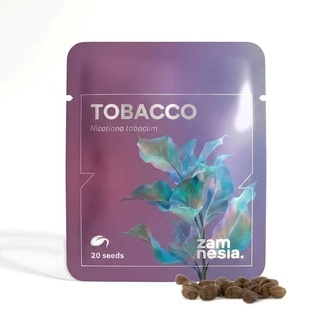
Tobacco (Nicotiana tabacum) 20 seeds
Christopher Columbus, when he set out to find the New World was the first Westerner that came in contact with a plant that the natives called Tobacco. The peoples of the newly discovered land dried the leaves, lit them and engaged in a strange ritual of “smoking” for recreational purposes. Tobacco (Nicotiana tabacum) is now cultivated everywhere and you too can grow Tobacco with our fresh...
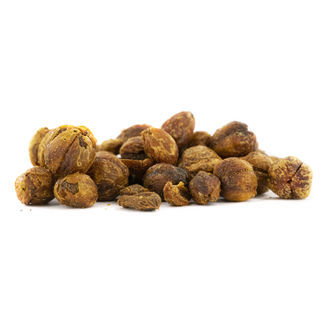
Black Oil Plant Seeds (Celastrus paniculatus) 5 grams
Celastrus paniculatus, also known as Black oil plant, climbing staff tree and intellect tree is a woody, fruit-bearing vine from India.
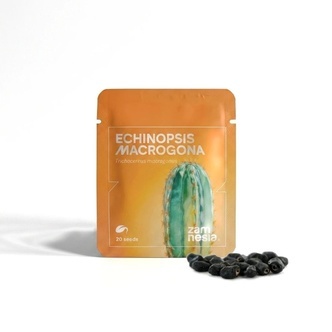
Echinopsis macrogona (Trichocereus macrogonus) 20 seeds
Echinopsis macrogona (AKA Trichocereus macrogonus) is a sacred cactus. Like the Peruvian torch cactus, Echinopsis macrogona contains mescaline which gives it powerful psychedelic and hallucinogenic properties. With the Echinopsis macrogona seeds available at Zamnesia you can now grow this sacred cactus at home!

Hawaiian Baby Woodrose Madagascar (Argyreia nervosa) 10 seeds
Due to popular demand, we've added this Madagascar variety of Hawaiian Baby Woodrose Seeds, which is reportedly stronger than other varieties.
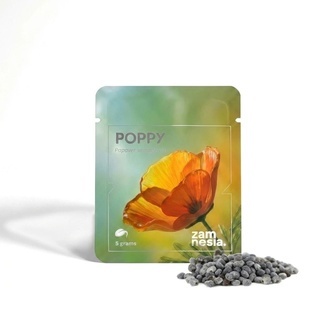
Poppy (Papaver somniferum) 5 grams
Poppy (Papaver somniferum) is the plant from which opium, morphine, and heroin are made. The poppy seeds themselves don’t contain any alkaloids. With Zamnesia Poppy Seeds, you can grow your own poppy plants at home with ease!
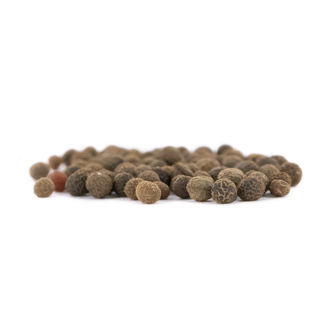
California Poppy (Eschscholzia californica) 100 seeds
California poppy makes a stunning addition to many ornamental gardens, earning attention due to its bright and vibrant orange shades.
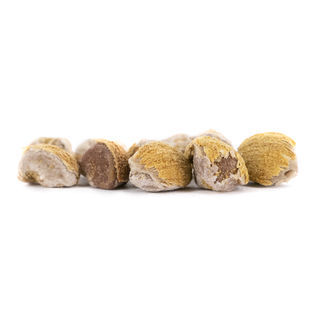
Hawaiian Baby Woodrose (Argyreia nervosa) 10 seeds
Hawaiian baby woodrose (Argyreia nervosa) is a perennial climbing vine with large heart-shaped leaves and white trumpet-shaped flowers. Originally native to India, it now grows around the world, including Hawaii. Its large furry seeds grow in seedpods and contain the psychedelic LSA.

Kanna (Sceletium tortuosum) 10 seeds
Sceletium tortuosum, commonly known as Kanna, is a succulent plant native to South Africa. Local people chew it for mood elevation. The plant is carefree and makes a great houseplant, but is hard to find in garden centers, so you need a seed supplier.

Prickly Pack - Mescaline Cacti Seeds
This variety pack of cactus seeds contains everything you need to start cultivating your own mescaline cacti at home! There are numerous species of mescaline-containing cacti, and each one has a slightly different combination of alkaloids, giving each distinct effects. With this pack, you have a range of...
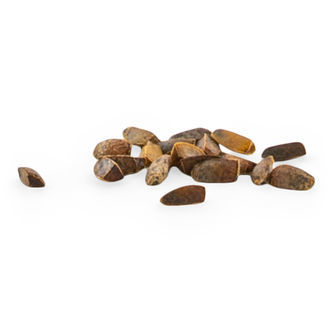
Marihuanilla (Leonurus sibiricus) Seeds
A beautiful plant with a tall central stem and enchanting purple/pink flowers, marihuanilla (Leonurus sibiricus) can easily take centre stage in any garden. Its smell is similar to that of a cannabis plant and it attracts plenty of helpful pollinators. Plants enjoy sunny spots and well-drained soil, and overall, they are not excessively demanding.
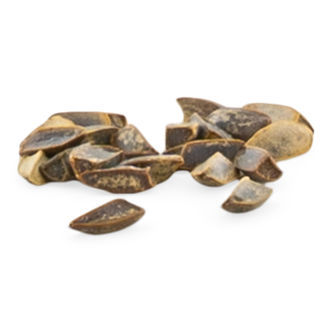
Wild Dagga (Leonotis leonurus) Seeds
Originating from South Africa, wild dagga makes for an eye-catching plant, thanks to its bright orange colouring. Not only appealing to the eye, this plant is also easy to cultivate, making it appropriate for growers of all levels. The seeds can be sown anytime, but perform best between February and May. A little upkeep is required, and they'll deliver year-round.
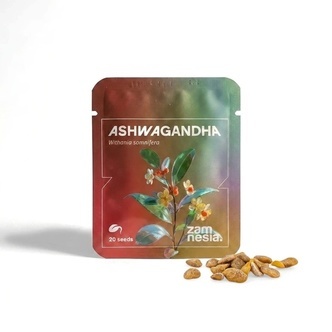
Ashwagandha (Withania somnifera) 20 seeds
Ashwagandha (Withania somnifera) is a shrub native to India, and it has been used for many years in the Ayurvedic tradition. Attractive and easy to cultivate, why not try growing it in your very own garden?
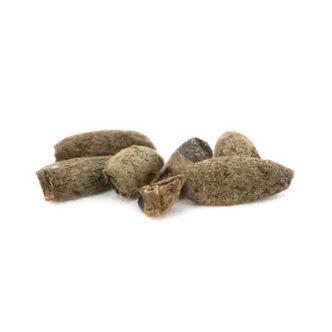
Klip Dagga (Leonotis nepetifolia) Seeds
Native to Africa and Southern India, klip dagga is a colourful plant with a unique appearance. Fortunately, it's also pretty simple to grow. Sow the seeds indoors at the end of April in moist soil, and keep the same conditions until they germinate. Then, move them outside so they can flourish. Provide them...
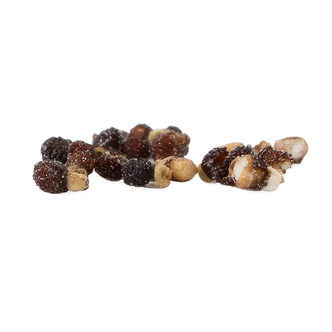
Aztec Cactus (Aztekium ritteri) 20 seeds
Aztekium ritteri is native to the Nuevo Leon region of north-east Mexico. It was a sacred plant to the Tarahamara Indians. Much in the same way San Pedro or Peyote are sacred in other regions of Mexico and South America. Aztekium was named after its resemblance to the distinctive shapes of Aztec pyramids.
What Actually Grows On This Shelf, Species By Species
First thing to clear up: nothing here is a "Smart Seeds" cultivar. It's our name for a shelf of species seed, sold to be sown, raised and collected. The seed is fresh, the binomial is on the pack, and the rest of the smartshop sits one click away if seeds aren't what brought you. Worth saying too that none of the products on this shelf are fungi, so if you landed here after reading about magic mushrooms you want a different shelf entirely. What follows is soil, seed trays, sunlight and a long wait.
Echinopsis pachanoi, Lophophora williamsii and the mescaline cacti
Mescaline is the alkaloid this group of cacti is known for, and their long documented use in Andean and Mexican ritual is part of why they are so widely grown. That is a fact about the species and about the ethnographic record, nothing more. As garden subjects they split neatly into two camps: fast columnar species and painfully slow globular ones.
The columnar Trichocereus group
San Pedro (Echinopsis pachanoi) is the one most people arrive looking for. It comes from the Andean slopes of Ecuador and Peru, roughly 2,000 to 3,000 metres up, where rain is seasonal but the air is far from arid. It is the fast one: a blue-green ribbed column with six to eight low ribs and short spines, capable of 30 to 50 cm a year once established, and reaching several metres over decades. Large white night-opening flowers come only on mature plants. The seed is fine and dark, needs light to germinate, so it is pressed onto the surface of a peat-based cactus and succulent mix rather than buried, and it wants proper humidity under a cover or bag at around 20 to 25C. Sprouts appear in one to three weeks as tiny green spheres with a fringe of bristles, and they stay that way for months before the column starts to form. A deep pot on the sunniest windowsill in the house will do for the first two or three years, though a greenhouse or conservatory gets you thicker, better coloured growth. If you would rather not wait, we also sell San Pedro as a rooted living plant.
Peruvian Torch (Echinopsis peruviana) is its western Peruvian cousin, more heavily glaucous, with longer honey-coloured spines and a slightly stockier habit. Bolivian Torch (Echinopsis lageniformis) comes from the dry valleys of Bolivia, has four to eight prominent ribs and a distinct frosted blue cast, and is every bit as vigorous as San Pedro. Echinopsis macrogona (Trichocereus macrogonus) is the heavyweight of the four, darker green with fewer, deeper ribs and a thicker column. Each of these is sold as 20 seeds, and all four germinate and are raised in exactly the same way, so a beginner tray with a couple of species in it is a sensible experiment. Established specimens of the Peruvian Torch as a living cactus and of the Bolivian Torch are stocked separately on our plant shelf for anyone who wants a head start of several years.
Lophophora williamsii and Aztekium ritteri, the slow globulars
Peyote (Lophophora williamsii) goes the opposite way. It is a spineless, pale blue-green globular cactus of limestone scrub in the Chihuahuan desert, from southern Texas down through San Luis Potosí, and it grows a fat carrot-like taproot far larger than the visible button. Small pink-white flowers open from the woolly crown. Growth is measured by the year rather than the month: a seedling may be the size of a pea after twelve months and a few centimetres across after five years, with flowering plants often a decade old or more. It wants full sun, a very mineral substrate and a dry, cool winter rest with no water at all. Because that timescale defeats a lot of growers, we also offer Peyote as an established plant. Aztec Cactus (Aztekium ritteri) is slower still, a gypsum-cliff specialist from a tiny area of Nuevo León with wrinkled, concertina-like ribs and a mature size of only a few centimetres. It is firmly a collector's cactus, unforgiving of damp and best kept in a shallow pan under glass. The Prickly Pack bundles the Echinopsis group with Peyote and cactus nutrients, which is the tidiest way to start both camps at once. If you want something that visibly climbs inside a couple of seasons, we'd take San Pedro over Peyote every time.
Gritty mix, warmth and a lot of patience
Substrate and temperature
Cactus seed wants mineral soil. For Peyote we use roughly 50% sand, 25% grit or bims and 25% regular potting soil, a minimum of 10C, and as much direct sun as the plants can get. The columnar Echinopsis are less fussy and will take a standard cactus mix loosened with extra pumice. Everything germinates faster and more evenly with bottom heat and a covered tray, and seedlings should be weaned off that humidity gradually over several weeks rather than uncovered in one go, which scorches them.
Sowing depth and germination times
Sow shallow across the board. Green Mormon Tea (Ephedra viridis) goes no deeper than 5 mm in sandy, well-drained soil and usually sprouts in about two weeks, though germination is irregular, so don't bin a tray that looks empty for a couple of months. Poppy seed is the easy end of the shelf, scattered onto fertilised soil, barely covered, up in about a week. The mints in the Leonotis group are quicker still at 20C, while woody tropical climbers such as Celastrus can sulk for six weeks before anything shows.
Where batches go wrong
The main way to lose a batch is overwatering, which brings fungus and rot faster than any pest will. Water from below where you can, keep air moving over the tray, and use a lid to hold humidity rather than a permanently soaked surface. Damping off takes seedling cacti in a day. The second most common loss is impatience: repotting a cactus seedling before it has a proper root system, or feeding it in its first winter.
Vines, daggas and dry-country shrubs
Climbing vines and legumes
Hawaiian Baby Woodrose (Argyreia nervosa) is a woody twining perennial from the Indian subcontinent, and despite the name it is a naturalised import in Hawaii rather than a native. It carries big heart-shaped leaves with silvery felted undersides, mauve trumpet flowers on mature plants, and large fuzzy brown seeds that are easily the biggest on this shelf. Given warmth it grows quickly and needs a stout trellis or a conservatory wall, since it is frost tender and unhappy below about 10C. The Madagascar variety sits beside it. Velvet Bean (Mucuna pruriens) is a fast annual legume from tropical Africa and Asia, a scrambling climber of several metres in one season with trifoliate leaves and drooping purple flowers, and as a nitrogen fixer it is genuinely useful in a bed. Its pods are packed with fine hairs, the species name means "itching" for good reason, so handle the pods with gloves and keep your hands away from your eyes. Black Oil Plant (Celastrus paniculatus) is an Indian and Southeast Asian climbing shrub known in Ayurvedic writing as the intellect tree; it is measured out in grams, germinates slowly and irregularly, and makes a large woody vine that needs a frost-free spot.
The mint family daggas
The mint family brings Wild Dagga (Leonotis leonurus), Klip Dagga (Leonotis nepetifolia) and Marihuanilla (Leonurus sibiricus). Wild Dagga is a South African shrub to about two metres with narrow willowy leaves and whorls of furry orange tubular flowers up the stem, half hardy and superb in a large pot or a sunny border, cut back after flowering. Klip Dagga is an annual or biennial from tropical Africa, taller and coarser, with spherical spiny flower heads and orange blooms, and it self-seeds readily. Marihuanilla is a biennial from Siberia and eastern Asia with deeply cut leaves and pink-purple whorls, the hardiest of the three and content in ordinary garden soil.
Dry-country shrubs and jointed stems
For dry-climate oddities there's Khat (Catha edulis), Ma Huang (Ephedra sinica) and Green Mormon Tea. Khat is an evergreen shrub or small tree of the East African and Arabian highlands, glossy leathery leaves, slow growing in a pot, needs a frost-free winter and reasonably fresh seed. The two Ephedra are gymnosperms rather than flowering shrubs, all jointed green stems and scale leaves rather than proper foliage. Ma Huang comes from Mongolia and northern China, sprawls low and takes hard frost; Green Mormon Tea comes from the Great Basin of the western United States, stands more upright with brighter stems, and is exceptionally drought tolerant once rooted. Both want gritty soil and full sun, and both resent wet feet in winter.
Poppies
Poppy (Papaver somniferum) is a hardy annual reaching about a metre with grey-green lobed leaves and red, purple, pink or white flowers followed by the familiar ribbed capsules. It hates root disturbance, so direct sowing beats transplanting, and it self-seeds cheerfully once happy. California Poppy (Eschscholzia californica) is the drought-tolerant one, 13 to 152 cm of feathery blue-green foliage under bright orange, native to the American west coast, and it copes with poor sandy soil far better than most annuals.
Succulents, shrubs and a fast climber
Kanna (Sceletium tortuosum) is a low creeping succulent from the Karoo of South Africa, fleshy leaves with translucent veining and fringed white to pale pink flowers, ideal in a shallow pot or hanging basket with sharp drainage and a bright windowsill. Its seed is fine and surface sown. Ashwagandha (Withania somnifera) is a grey-green branching shrub to about 1.5 m from India and the Middle East, easy and quick from seed in warmth, and it carries orange-red berries in papery calyces; it holds a long reputation in Ayurvedic writing as a tonic and natural aphrodisiac. Morning Glory (Ipomoea tricolor) is a Mexican annual climber, the fastest thing on this page, three metres of heart-shaped leaves and sky-blue funnels by late summer if given netting and a warm wall. The Trippy Garden Pack rounds the group out for anyone who wants a spread of these in one go.
Nicotiana tabacum and Nicotiana rustica, two very different tobaccos
Tobacco (Nicotiana tabacum) and Aztec Tobacco (Nicotiana rustica) both come as 20 seeds, and both are grown here as garden plants. N. tabacum is a South American species of Andean origin, a tall soft-stemmed annual of one to two metres with huge sticky leaves and pale pink trumpet flowers, and it needs a long warm season, so it is best started under glass in late winter, pricked out into individual pots and set out only once frost has passed. N. rustica is the older Mexican and South American cultigen, shorter and stiffer at around a metre, with rounder, thicker leaves and yellow-green flowers; it is quicker to finish, tougher in a cool summer and the better bet in a British garden or a large tub. The seed of both is tiny, so keep it right at the surface, press it in and mist rather than soak, otherwise it washes away or never sees light. Germination takes one to two weeks at about 20 to 22C, and the seedlings are grass-fine before they suddenly bulk up.
New to all this? Sow Papaver somniferum in an outdoor bed between September and April and put a pot of San Pedro on your sunniest windowsill. The poppies will have flowered and died back twice before that cactus is worth photographing.
Frequently asked questions
- Is Smart Seeds a seed brand?
No. It's our own shelf name for ethnobotanical and psychoactive plant seeds, so you're looking at species seed rather than a branded cultivar range. Each listing gives the binomial, like Echinopsis pachanoi or Papaver somniferum, so you always know exactly which plant you're buying.
- How do I germinate San Pedro seeds?
Use a peat-based cactus and succulent soil, sow the seed on the surface and keep it very humid while it germinates, with plenty of light and warmth. Cover the tray to hold moisture and resist watering from above once the seedlings appear. San Pedro (Echinopsis pachanoi) is one of the more forgiving mescaline cacti to start from seed.
- Why are my Peyote seedlings growing so slowly?
That's Lophophora williamsii being itself. It's a globular cactus that puts on very little size each season, so a seedling the size of a pea after a year is normal rather than a failure. Give it very mineral soil, roughly half sand with grit and a little potting mix, at least 10C and direct sun, then leave it alone.
- Which seeds on this shelf are easiest for a first go?
Papaver somniferum is a hardy annual with no special demands, and California Poppy (Eschscholzia californica) is nearly as relaxed while handling drought and sandy soil. Both go straight into outdoor soil and sprout within about a week. Save the cacti and Aztekium ritteri for once you've got a feel for watering.
- Do you sell Psychotria viridis seeds?
That one isn't on this shelf. What we do carry is the full mescaline cactus group, from Echinopsis pachanoi and Echinopsis peruviana through to Lophophora williamsii, alongside vines like Argyreia nervosa and shrubs like Leonotis leonurus. Check the grid above for exactly what's in stock today.