 8.6 out of 10 based on 81026 reviews







.svg)
.svg)
.svg)
.svg)
.svg)
.svg)



 Menu
Menu
-
 Vaporshop
All Categories
Vaporshop
Vaporshop
All Categories
Vaporshop
- Top 10 Vaporizers
- Spare Parts & Accessories
- AirVape XS GO (2021)
- Arizer Air MAX
- Arizer Extreme Q
- Arizer Solo 2
- Arizer V-Tower
- Arizer XQ2
- Boundless CFC 2.0 Vaporizer
- Boundless CFX
- Boundless TERA (V3)
- CRAFTY+
- DaVinci IQC
- Dr. Dabber Boost EVO
- DynaVap VapCap "M" PLUS 2023
- DynaVap VonG (i) Titanium
- Flowermate Aura
- Flowermate Cap Pro
- Flowermate Slick
- Flowermate V5.0S Pro
- G Pen Elite II
- G Pen Micro+
- G Pen Roam
- Hyer Big-E Rig
- MIGHTY+
- PAX Mini
- PAX Plus
- PLENTY
- Puffco Peak Smart Rig
- Puffco Plus
- Storm Vaporizer
- The Proxy (Puffco)
- VOLCANO CLASSIC
- VOLCANO HYBRID
- Vapman 2.0
- Vapman Click
-
 Smartshop
All Categories
Smartshop
Smartshop
All Categories
Smartshop
- Top 10 Smartshop
- Zamnesia Gift Cards
- After Party
- Aphrodisiacs
- Aromatherapy
- Blue Lotus
- Capsule Machines
- Crystals, Gemstones & Minerals
- Dream Herbs
- Drug Tests
- Extracts
- Happy Caps
- Herbal Tea
- Herbs & Seeds
- Incense
- Kanna
- Kratom
- LSA Seeds
- Mescaline Cactus
- Microdosing
- Nootropics
- Relaxing
- Salvia divinorum
- Smart Seeds
- Stimulants
- Supplements
- Tinctures
- Vape Herbs
-
 TRIBE
All CategoriesTRIBE
TRIBE
All CategoriesTRIBE
- My Membership
- Spend Gift Points
- TRIBE Sale
- Exclusive products
- Earn Extra Gift Points
- Early Access
- Refer a Friend
- Information
 Mushroom Dosage Calculator


 Help
Help United States
Mescaline Cactus
Mescaline cacti are well-known in Central American cultures for their powerful psychedelic properties. And now you can buy them and have them delivered to your door. Shop our extensive range, including Bolivian Torch, San Pedro, Peyote, and Peruvian Torch.
A mescaline cactus is one of the few species that produces the alkaloid naturally, and the ones worth knowing come from two very different places. Peyote (Lophophora williamsii) is a Mexican button cactus that rarely clears 3 to 4cm above the soil, so a specimen of any real size represents years of growing rather than a markup, and it is often sold grafted onto a faster rootstock to skip those years. The columnar species from the Andes get on with it: San Pedro (Echinopsis pachanoi), Bolivian Torch (Echinopsis lageniformis) and Peruvian Torch (Echinopsis peruviana) all put on visible height in a single season. You will find them below as rooted plants, as cuttings and as 20-seed packs, plus crested, variegated and monstrose forms.
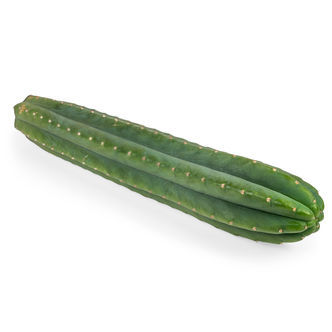
San Pedro XL (Echinopsis pachanoi)
San Pedro (Echinopsis pachanoi) is an ancient cactus native to the high plains of the Andes. Though its habitat stretches right down to northern Chile and Argentina, San Pedro is most commonly found throughout Ecuador and Peru. Now, you can grow real San Pedro at home with these healthy live XL cactus cuttings.
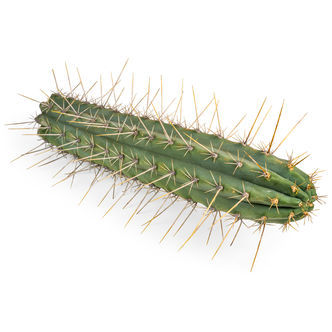
Peruvian Torch XL (Echinopsis peruviana)
The Peruvian torch (Echinopsis peruviana) is a famed mescaline cactus native to the Peruvian Andes. Though sometimes confused with the more well-known San Pedro, the Peruvian torch is a separate species with unique growth traits and properties. Add this unique mescaline cactus to your collection today with these XL live cuttings from Zamnesia.
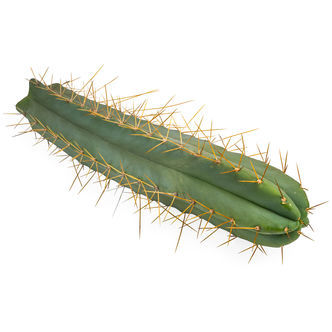
Bolivian Torch XL (Echinopsis bridgesii)
The Bolivian torch (Echinopsis bridgesii) is an ancient mescaline cactus native to the Andes mountain range and the Bolivian desert. For centuries, it's played a key role in the shamanic practices and development of traditional Bolivian society. Now, with these carefully sourced live cuttings, you can grow this ancient cactus at home with ease.
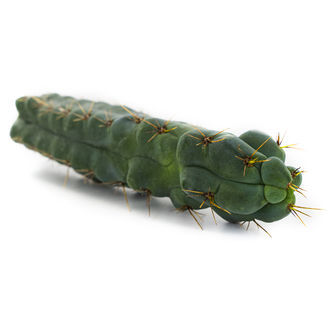
Echinopsis ''zamnesiana''
A happy accident or a gift from the god of psychedelics? While no one can say for sure, what we can say is Echinopsis ''zamnesiana'' certainly looks the part. You may notice that some will feature lumps, varied shapes, and all kinds of physical differences.
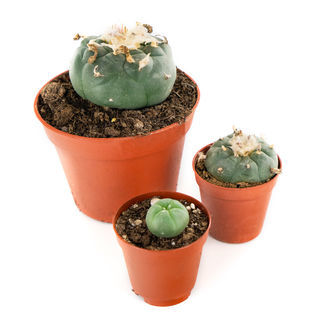
Peyote (Lophophora williamsii)
Peyote, considered a living god, El Mescalito has a long history among the natives of northern Mexico and Southwestern USA – at least 5700 years, say archeologists. Then it was demonized and driven underground by the Spanish conquerors in the 16th century. But thanks to the wonders of modern cultivation, you can have one of these sacred Lophophora williamsii in your own home.
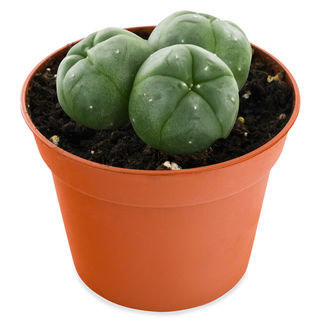
Peyote 3-Cluster (Lophophora williamsii)
Peyote (Lophophora williamsii), also known as El Mescalito, was almost doomed to fall into oblivion when Spanish conquistadores demonized it in the 16th century, but luckily this sacred cactus survived its ban and now you can order your own specimen. Natives of Northern Mexico and Southwestern USA used it for millennia in their rituals.
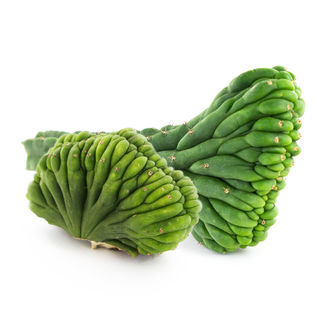
San Pedro Crested (Echinopsis pachanoi cristata)
Another Zamnesia first: The Crested San Pedro (Echinopsis pachanoi cristata)! This unique variation of the San Pedro cactus doesn’t just have one growth-point like the ordinary San Pedro but many. Each of these grow-points can grow at their own pace which makes the Crested San Pedro develop into very cool shapes.
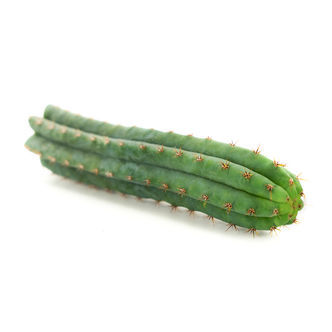
Peruvian Torch (Echinopsis peruviana)
Previously known as Trichocereus peruvianus. This cactus thrives at an altitude of 2000-3000 meters in it's natural habitat, the Andes in Peru and Ecuador. The Peruvian Torch grows at a high rate, contains the psychoactive compound mescaline and has green skin with a light blue glow. We sell different sizes - small, medium and large - all of which are perfect for home cultivation.
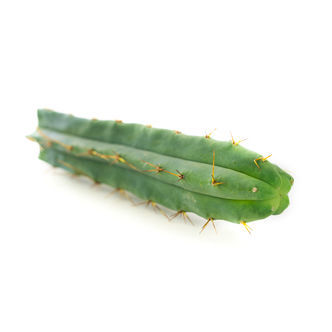
Bolivian Torch (Echinopsis lageniformis)
Formerly known as Trichocereus bridgesii. This cactus is naturally found in the Bolivian mountains. The natives of Bolivia call this cactus Achuma or Wachuma. We have several sizes of cuttings of the Bolivian Torch in stock.
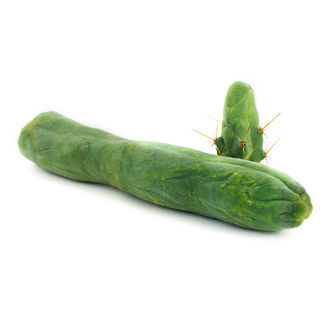
Bolivian Torch 'Monstrose' (Penis Plant)
The "monstrose" version of the Bolivian Torch (Echinopsis lageniformis) is a special cactus, also called the "Penis Plant". "Monstrose" signifies that this is a mutated form of the original cactus, in this instance the Bolivian Torch. A mutant cactus grows into an abnormal shape and therefore can take on a divergent form compared to cacti of the same species.
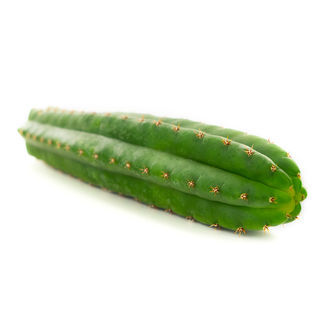
San Pedro (Echinopsis pachanoi)
A.k.a. Trichocereus pachanoi. The San Pedro cactus (Echinopsis pachanoi) originates from Peru and Ecuador. This cactus contains the psychoactive compound mescaline and plays a very important part in Latin American shamanic culture. We sell cuttings in different sizes that will effortlessly resume their growth once they are put back in the ground.
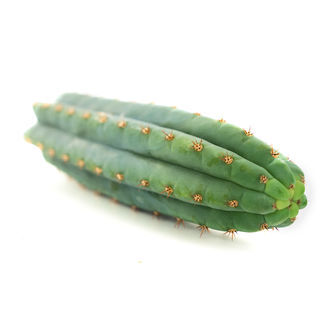
Echinopsis macrogona (AKA Trichocereus macrogonus)
Echinopsis macrogona (trichocereus macrogonus) is a sacred cactus similar to the Peruvian Torch. This easy-to-grow cactus contains the alkaloid mescaline.
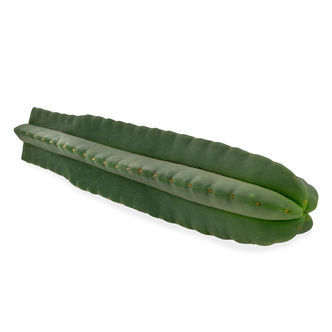
Super Pedro (Echinopsis scopulicola)
Echinopsis scopulicola can grow up to a huge 4 metres and has beautiful flowers that only open at night. Much like the famous peyote, it contains the psychotropic compound mescaline. Easy and rewarding to grow, Echinopsis scopulicola is a great addition to a psychedelic garden.
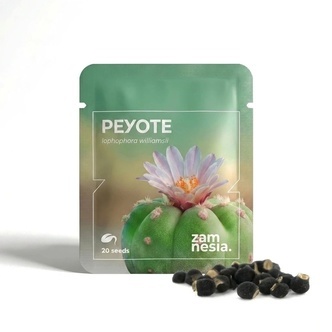
Peyote (Lophophora williamsii) 20 seeds
With our freshly harvested high quality Lophophora williamsii (Peyote) seeds you can now grow your own Peyote cacti at home. As compared to fully grown Peyote cacti plants, cultivating your own Peyote can be more economic because you can grow them at relatively low cost. Plus, being able to watch your Peyote seeds grow to full-grown flowering plants can make for a fascinating hobby all on...
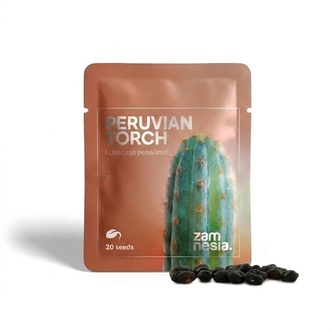
Peruvian Torch (Echinopsis peruviana) 20 seeds
Echinopsis peruviana, better known as the Peruvian Torch cactus is another of the hallucinogenic cacti that is native to South America. The Peruvian Torch contains the psychoactive alkaloid mescaline which makes for powerful, altered states of consciousness. With our fresh Peruvian Torch (Trichocereus peruvianus) seeds you can now grow this sacred cactus easily at home.
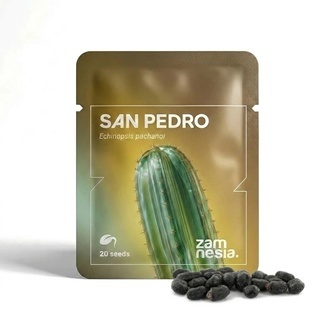
San Pedro (Echinopsis pachanoi) 20 seeds
Echinopsis pachanoi, the original San Pedro cactus is one of the sacred cacti of South America. For centuries, this cactus has played an important role in Shamanic culture. The cactus is a native to Bolivia and contains psychoactive compounds, the most important one Mescaline. With our fresh Echinopsis pachanoi...
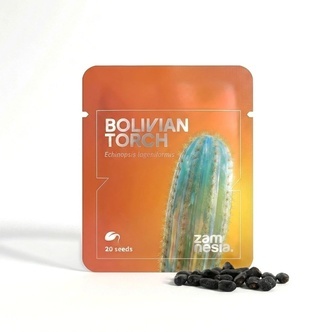
Bolivian Torch (Echinopsis lageniformis) 20 seeds
The Bolivian Torch (Echinopsis lageniformis) is one of the psychedelic cacti of South America that plays an important role in Shamanic rituals. It is similar in appearance to the San Pedro cactus but with fewer and wider...
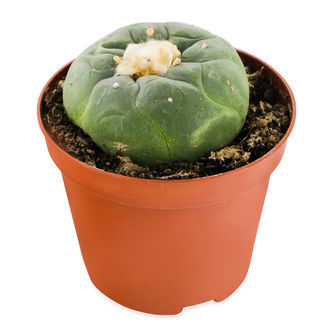
Lophophora decipiens Peyote
Peyote fans will enjoy the subtle differences provided by Lophophora decipiens. Larger bulbs that are quick to offset make decipiens a must-have for the psychonaut collector.
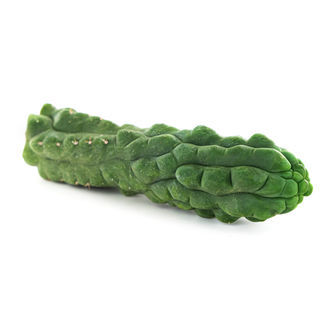
San Pedro (Echinopsis pachanoi) 'Monstrose'
Echinopsis pachanoi var. Monstrose is a rare mutant variety of the San Pedro Cactus. Each one is growing in different and unpredictable patterns so that every cactus is entirely unique. This interesting variety of the Echinopsis pachanoi makes a fantastic addition to the collection of every cactus aficionado!
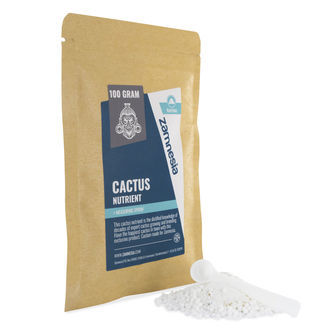
Cactus Nutrient
This cactus nutrient is the distilled knowledge of decades of expert cactus growing and breeding. Have the happiest cactus in town with this exclusive product. Custom made for Zamnesia.
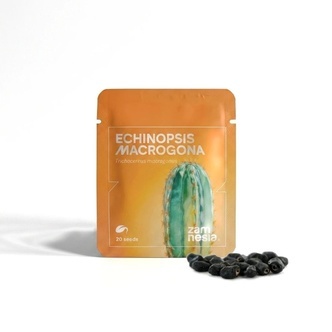
Echinopsis macrogona (Trichocereus macrogonus) 20 seeds
Echinopsis macrogona (AKA Trichocereus macrogonus) is a sacred cactus. Like the Peruvian torch cactus, Echinopsis macrogona contains mescaline which gives it powerful psychedelic and hallucinogenic properties. With the Echinopsis macrogona seeds available at Zamnesia you can now grow this sacred cactus at home!
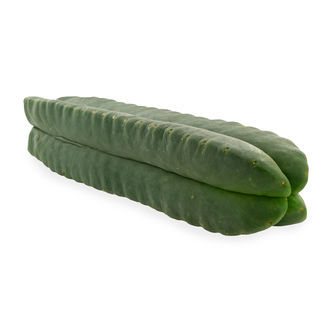
Super Pedro - 4 Ribs (Echinopsis scopulicola)
Super Pedro cacti have been used for over 2,000 years in the Andes. This 4-ribbed variety of Super Pedro is extremely rare and sourced from unique, healthy aged specimens.

Prickly Pack - Mescaline Cacti Seeds
This variety pack of cactus seeds contains everything you need to start cultivating your own mescaline cacti at home! There are numerous species of mescaline-containing cacti, and each one has a slightly different combination of alkaloids, giving each distinct effects. With this pack, you have a range of...
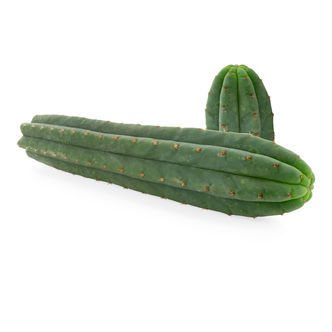
7-Ribbed San Pedro (Echinopsis pachanoi)
San Pedro is an ancient mescaline cactus from the Andes, and 7-ribbed varieties are particularly sought after for their rarity and enhanced strength. Get your live cutting of authentic 7-ribbed San Pedro cactus here, and grow this South American rarity at home.
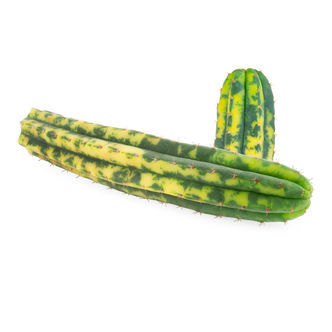
San Pedro Variegated (Echinopsis pachanoi variegata) Buenavista
Do you love unique cactus varieties? Then don't miss the chance to add a cut of Variegated San Pedro to your garden. You won't find this exceptional variety of San Pedro in the South American highlands, making it a must-have for cactus collectors, boasting unique variegations and discolourations. Get yours from Zamnesia now!
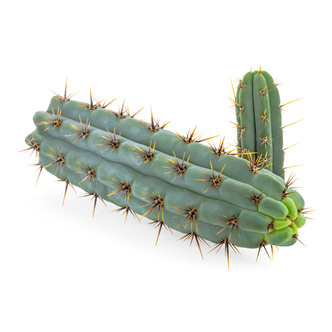
Echinopsis Cuzcoensis
Also known as Trichocereus cuzcoensis, the Cuzco cactus (Echinopsis cuzcoensis) originates from the Cusco region of Peru. Known for its striking spines and columnar growth, this cactus is a favourite among collectors and ornamental growers. We offer cuttings of various sizes that will effortlessly resume their growth once planted in well-draining soil.
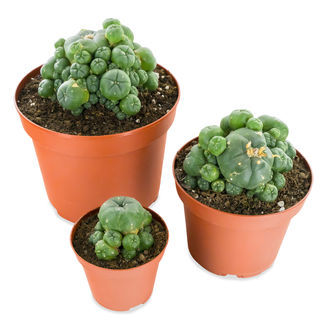
Peyote with Pups (Lophophora williamsii)
Mainly for the collector and connoisseur, our Peyote with Pups is a much rarer form of the illustrious peyote cactus. Originally found in the deserts of Mexico, these cacti have a historic reputation. If you are looking to obtain a plant that is a bit more unusual, then our Peyote with Pups may be for you.
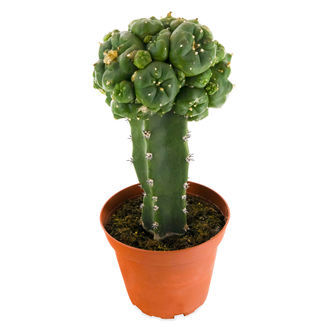
Grafted Peyote (Lophophora williamsii)
This is a combination of two cacti - an Eriocereus jusbertii with a Peyote cluster grafted on top. A small drawback is the slightly lower production of mescaline, but the increased growth rate makes up for it. When flowering, this plant produces beautiful pink flowers, but psychonauts are more interested in the alkaloid Mescaline, which is found in the tissue of the plant.
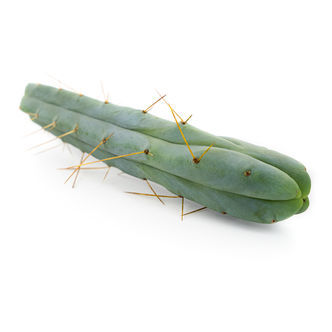
Cactus of the Four Winds (Echinopsis lageniformis forma quadricostata)
The Cactus of the Four Winds (Echinopsis lageniformis forma quadricostata), Bolivian torch, is an extremely rare four-ribbed cactus that can be found in the mountains of Bolivia. Considered as sacred by the natives of Bolivia who call it Achuma or Wachuma, this cactus is said to have even more powerful properties than the San Pedro or the Peruvian torch. We have several sizes of cuttings in...
Mescaline Cacti: Species, Growing and Choosing
Twenty-nine cacti in this collection, and almost every buying decision comes down to one trade-off: a peyote that takes years, or a torch cactus that gets on with it.
What is a mescaline cactus?
Mescaline is a naturally occurring alkaloid from the phenethylamine family, found in a small group of cacti native to northern Mexico and the Andes. Arthur Heffter isolated it in 1897, settling which of the plant's constituents was actually doing the work. We sell these as living collector's plants, cuttings and seeds.
Types of Mescaline Cacti
San Pedro (Echinopsis pachanoi)
The fast columnar classic and the sensible starting point. San Pedro holds 382 reviews here.
Peyote (Lophophora williamsii)
A small button cactus with woolly tufts instead of spines that rarely rises more than 3-4cm above the soil. Peyote is our most-reviewed cactus at 569, and the slowest grower by a wide margin. Yours may arrive with two or three heads, which happens when several seeds germinate together or a single seed splits.
Bolivian Torch (Echinopsis lageniformis)
Bolivian Torch carries a bluer bloom and sturdier spines than San Pedro, and grows nearly as quickly.
Peruvian Torch (Echinopsis peruviana)
Peruvian Torch sits between the two on pace, with the heaviest spines of the group.
San Pedro vs Peyote: Which to Choose
If you want a plant that visibly changes over a season, take San Pedro or one of the torches. If you want the rarer, stranger-looking specimen and do not mind waiting years for it to fill a pot, take peyote. The honest catch on peyote is price: a large one costs what it costs because of the decade sitting in it, not because of a margin.
Growing from Seed or Cutting
Cuttings root readily. Stand a San Pedro cutting in shade for its first month so it can acclimatise and form roots, and give it no water at all for the first 2-3 weeks. After that, summer watering runs to 3-5 times a week. Seed is slower but cheaper, and we stock 20-seed packs of peyote, San Pedro, Peruvian Torch and Bolivian Torch. Peyote is also commonly grafted onto a fast-growing rootstock to skip those early years, and we sell it ready-grafted.
Buying Mescaline Cacti in the UK
Alongside the standards you will find crested, variegated and monstrose forms, plus our own Echinopsis zamnesiana. Plants are packed to survive the post and shipped discreetly to UK addresses.
Mescaline cactus FAQ
- Which species are mescaline cacti?
San Pedro (Echinopsis pachanoi), Peruvian Torch (Echinopsis peruviana), Bolivian Torch (Echinopsis lageniformis) and Peyote (Lophophora williamsii), plus Super Pedro (Echinopsis scopulicola) and Echinopsis macrogona.
- San Pedro or peyote for a first cactus?
San Pedro, every time. It grows 30 to 40 cm a year, forgives beginner mistakes and roots readily from a cutting. Peyote is a slow-growing button, charming but a project measured in years.
- How long does a mescaline experience last?
Around 8 to 12 hours depending on dose and metabolism, so clear the day rather than squeezing it in.
- Do you ship cacti to the UK?
Yes, we send cuttings, potted cacti and seeds to the UK in neutral packaging with no product details printed on the outside.
 Filter