 8.6 out of 10 based on 81059 reviews







.svg)
.svg)
.svg)
.svg)
.svg)
.svg)



 Mushroom Dosage Calculator


 Help
Help United States
 5 min
5 min
Top 10 Easiest Vegetables To Grow



Have you ever considered growing vegetables from home, but thought that your level of expertise or environment was insufficient for the job? Well, here at Zamnesia, we don't believe in such restrictions; that's why we've put together a list of 10 easy-to-grow vegetables that will thrive in almost any setting.
Growing your own veg is often much simpler than beginners expect. With a few reliable crops and a bit of basic care, you can be picking fresh produce in weeks, not months, while turning watering and checking on seedlings into a genuinely rewarding hobby.
You don’t need a big plot, either. Many of the easiest options do brilliantly in pots and planters, so small gardens, patios, and balconies are all fair game. This guide focuses on fast, low-maintenance, beginner-friendly vegetables, plus practical product suggestions to help you get stronger germination, steadier early growth, and better results from day one.
Why these vegetables are ideal for beginners
Beginner-friendly vegetables share a few simple traits: they sprout and grow quickly, cope well if you miss a watering or two, and don’t demand specialist kit or constant fuss. They also tend to be generous, giving you a useful harvest even when conditions aren’t perfect, which is exactly what you want when you’re still learning the basics.
Those early “easy wins” matter. When you can see progress fast, it’s easier to stay motivated, keep up a routine, and build confidence to try something new next season. In practice, the easiest vegetables to grow for beginners are the ones that suit everyday life: they’re happy in containers, adapt to small spaces, and reward simple habits like consistent watering, decent light, and regular picking.
1. Lettuce
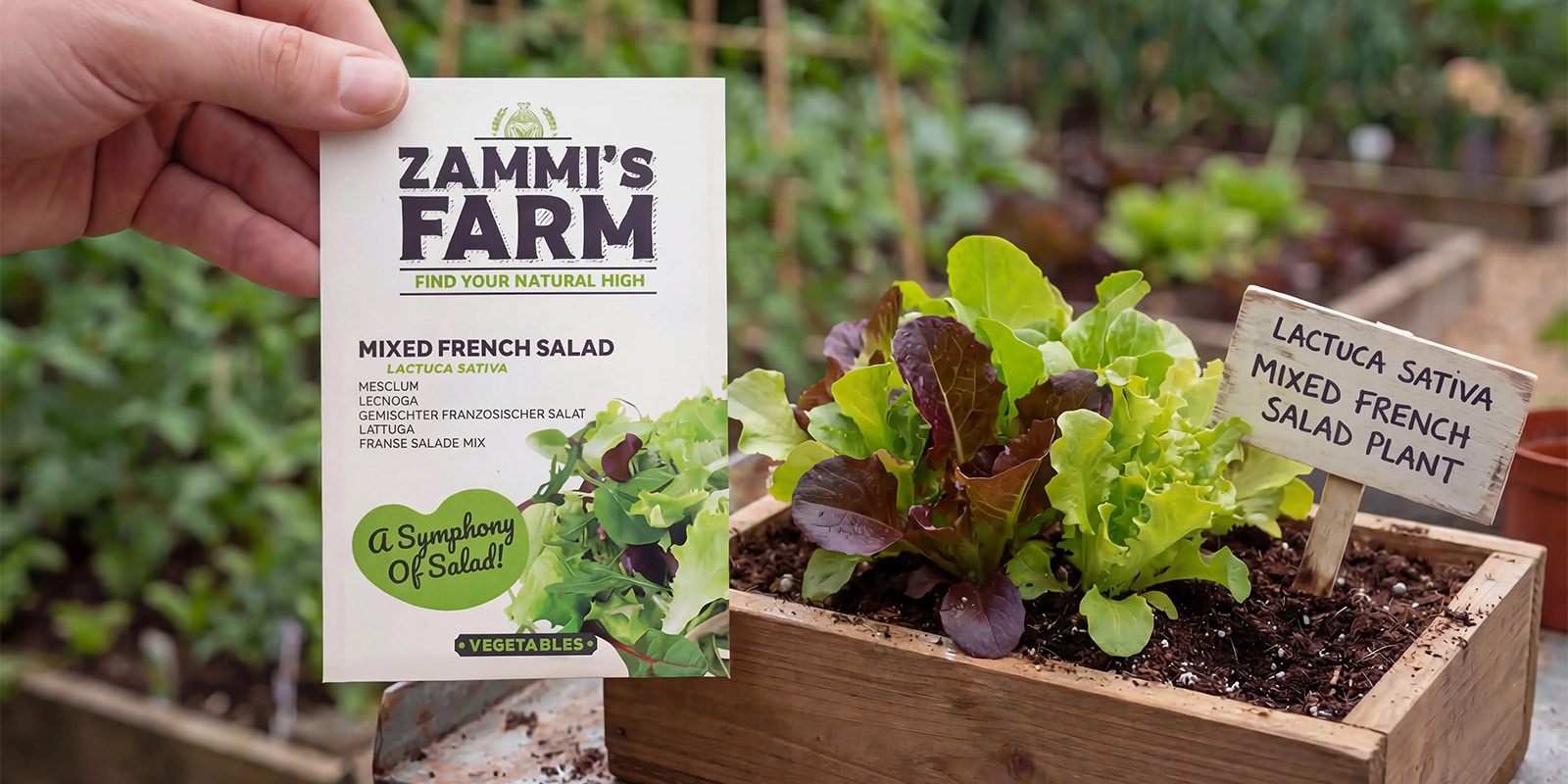
Lettuce is about as beginner-proof as it gets, and it’s one of the easiest vegetables to grow from seed if you want quick, low-drama results. Sow little and often, and you can be harvesting in a short time, rather than waiting all season for a payoff.
It’s also ideal for containers. Window boxes, pots, and troughs all work, so they fit balconies, patios, and small gardens nicely. Many varieties are “cut-and-come-again”, meaning you snip outer leaves and the plant keeps producing. For a simple mixed start, try mixed French salad.
2. Radishes
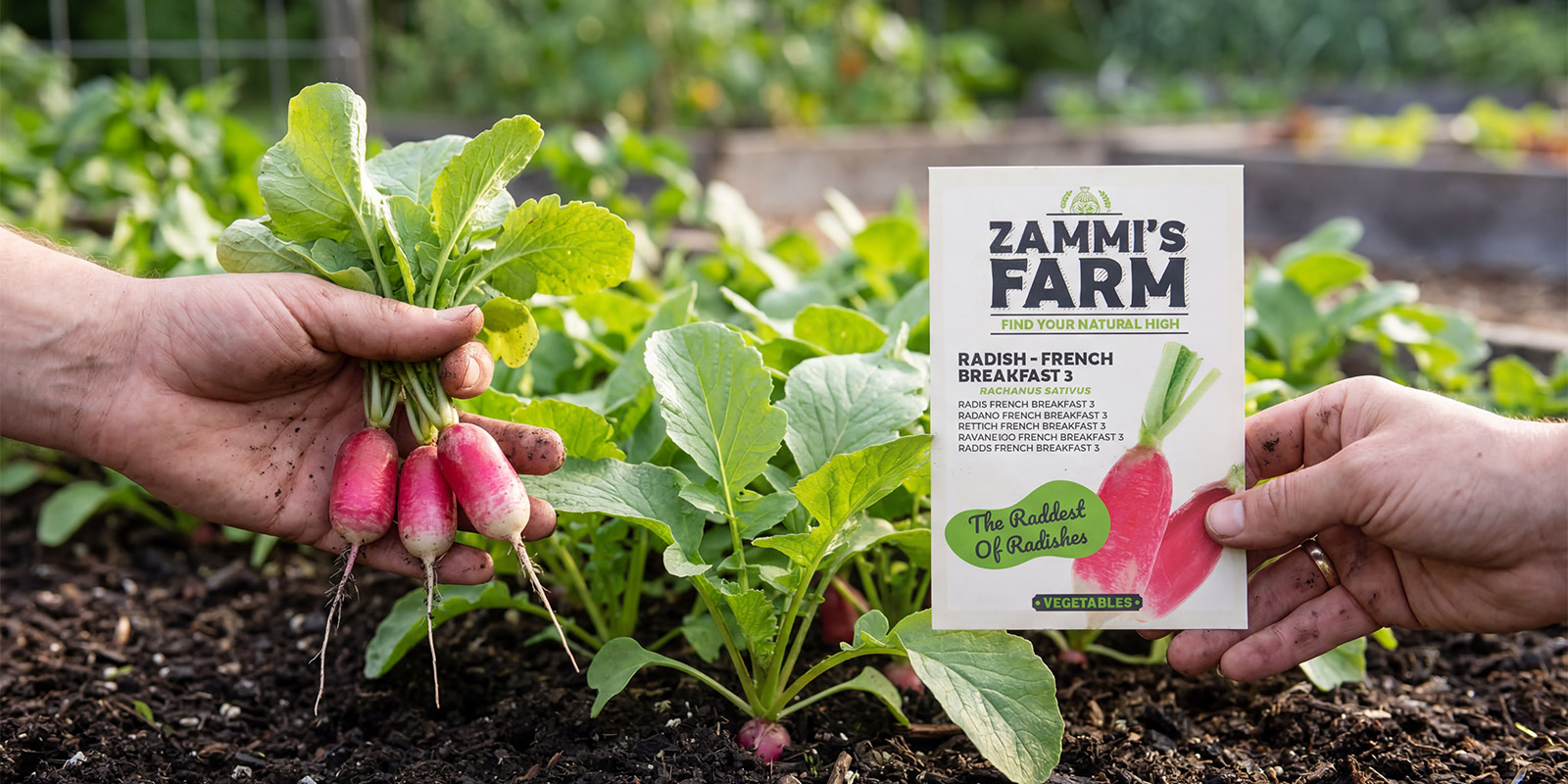
Radishes are perfect when you want momentum. They’re famously quick to go from seed to plate, which makes them a brilliant first crop for anyone who’s still getting the hang of watering and timing.
In decent conditions, you can expect a harvest in around 3–4 weeks, so you’re not stuck waiting months to see whether your efforts paid off. They also work well in pots and shallow planters, and a packet like radish seeds can keep you in crisp, punchy roots with regular sowings.
3. Green beans
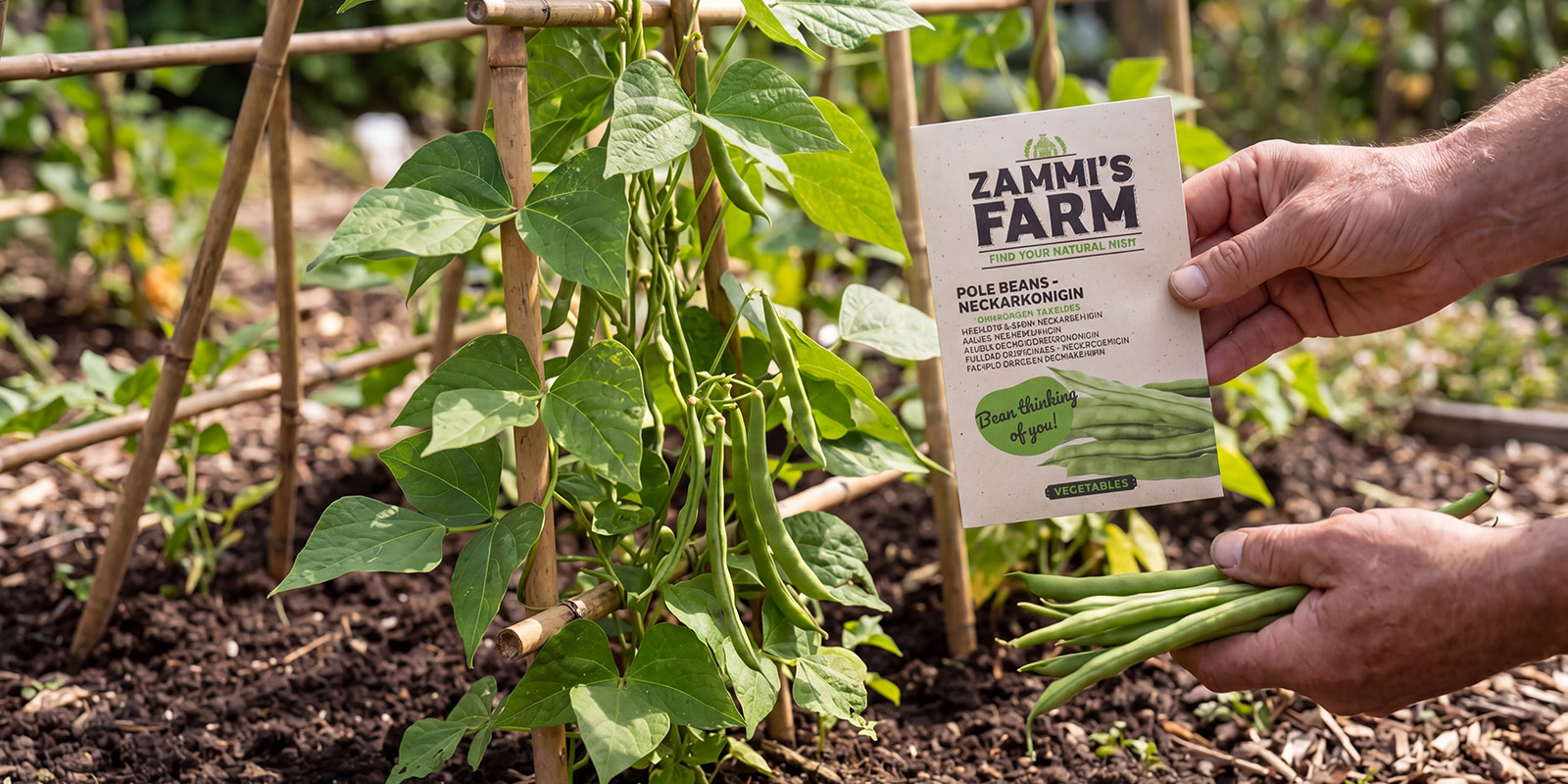
Green beans are a great confidence-builder: they’re productive, low-maintenance, and generally forgiving as long as you keep them watered and give them a sunny spot.
For smaller gardens and containers, bush beans are especially practical because they stay compact and don’t need supports, making setup refreshingly simple. Once they get going, the steady pickings are the kind of good yield that keeps new gardeners motivated. If you fancy a climbing option for a fence or trellis, try pole bean Neckarkoenigin.
4. Cherry tomatoes
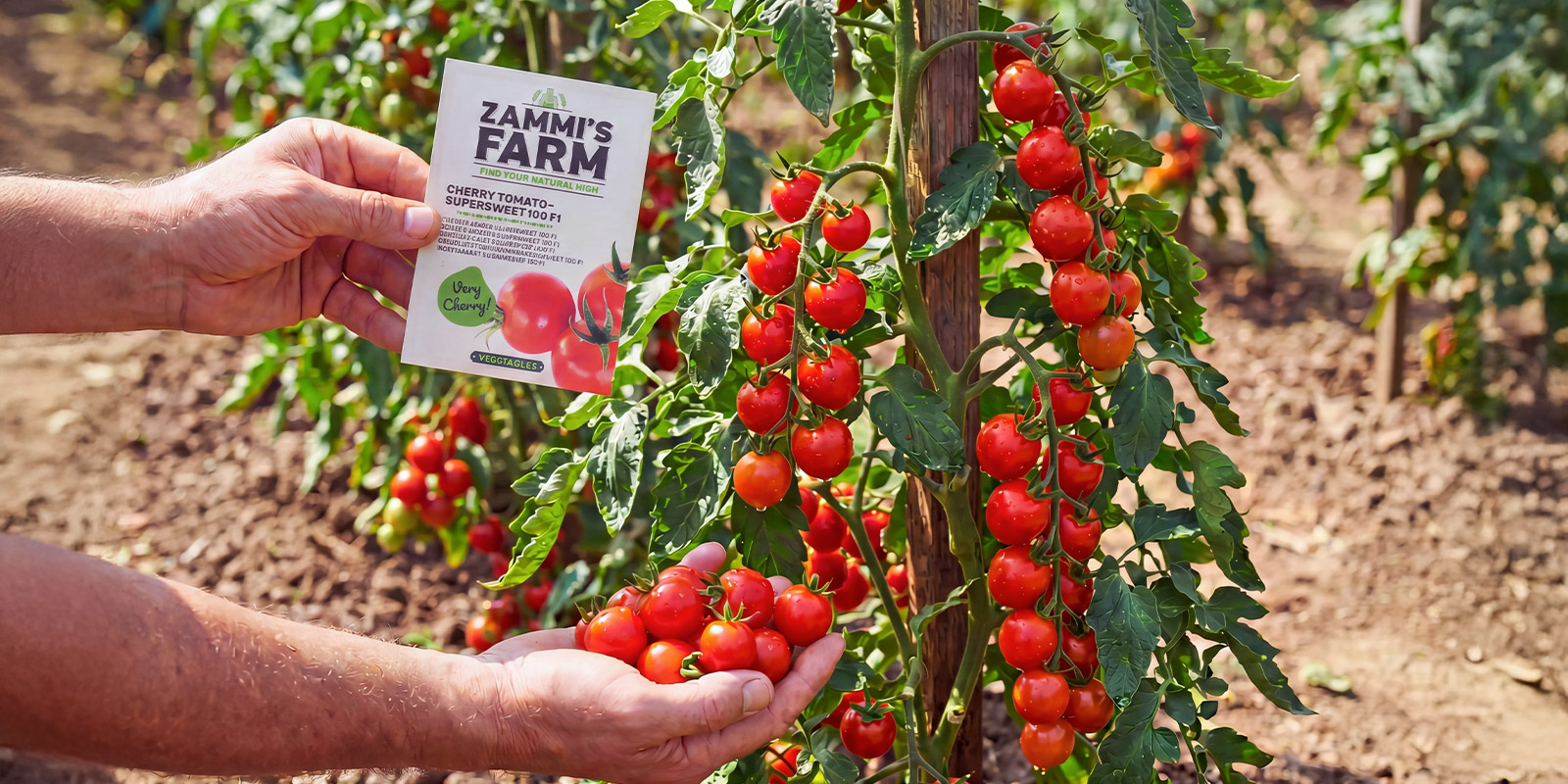
Cherry tomatoes are usually a smoother ride for beginners than bigger tomato varieties, mainly because they tend to set fruit more reliably and bounce back better from the odd wobble in care.
They’re popular for good reason: once the plants get into their stride, you can pick little and often over a long harvest window, which makes them feel seriously productive in a small space. Keep things practical at home with plenty of sun, consistent watering, and a bit of support as they grow. Supersweet F1 cherry tomato is a solid place to start.
5. Zucchini
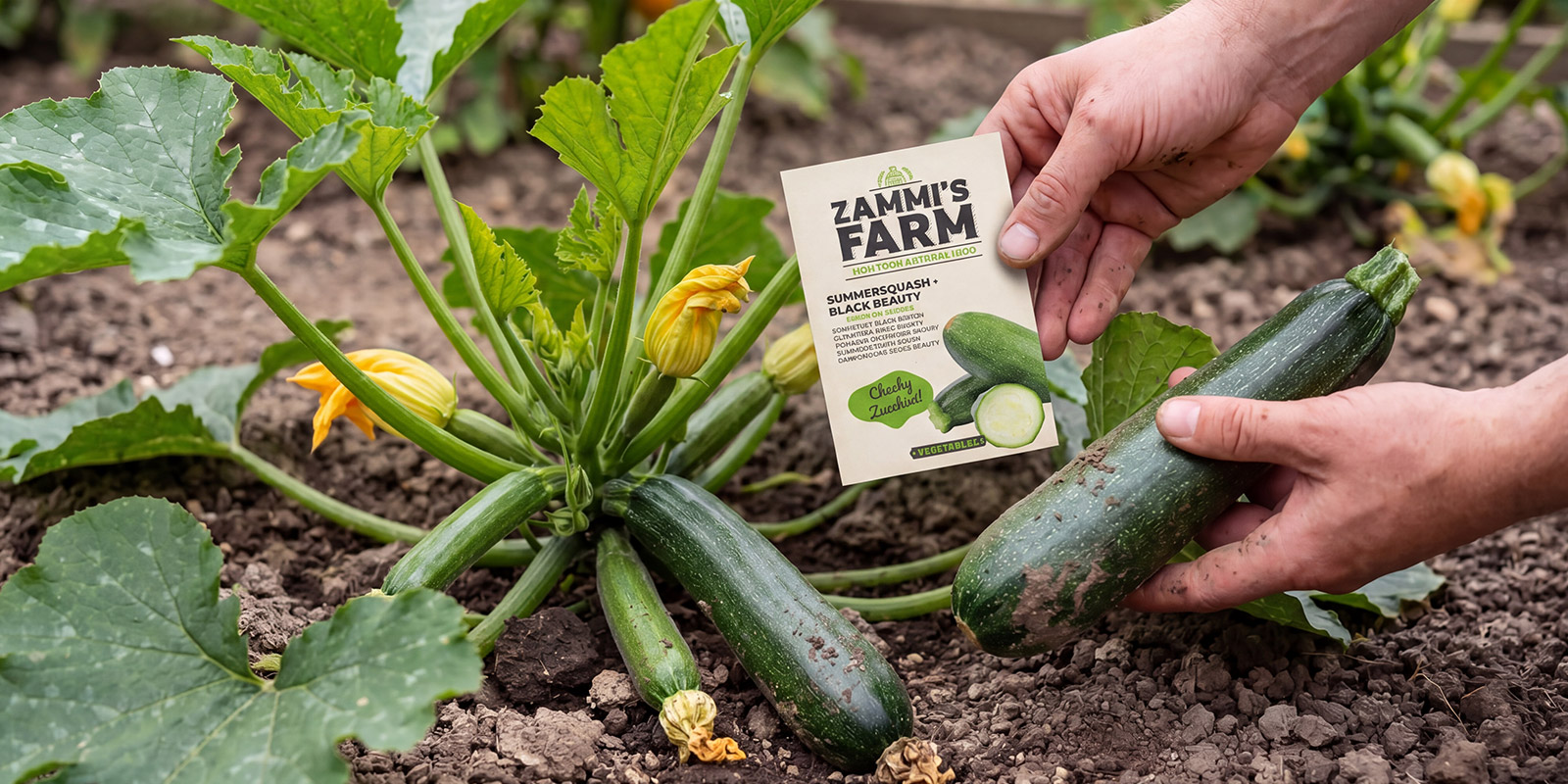
Zucchini is one of those plants that makes gardening feel instantly rewarding: it’s easy to start from seed and, once established, can be incredibly productive.
Give it a warm, sunny spot, a decent-sized pot or bed, and regular watering, and it will quickly put on strong growth. For easy vegetables to grow at home, the real trick is harvesting little and often. Picking the fruits while they’re still young encourages the plant to keep flowering and producing rather than slowing down. If you want visible results without fuss, summer squash is a satisfying beginner choice.
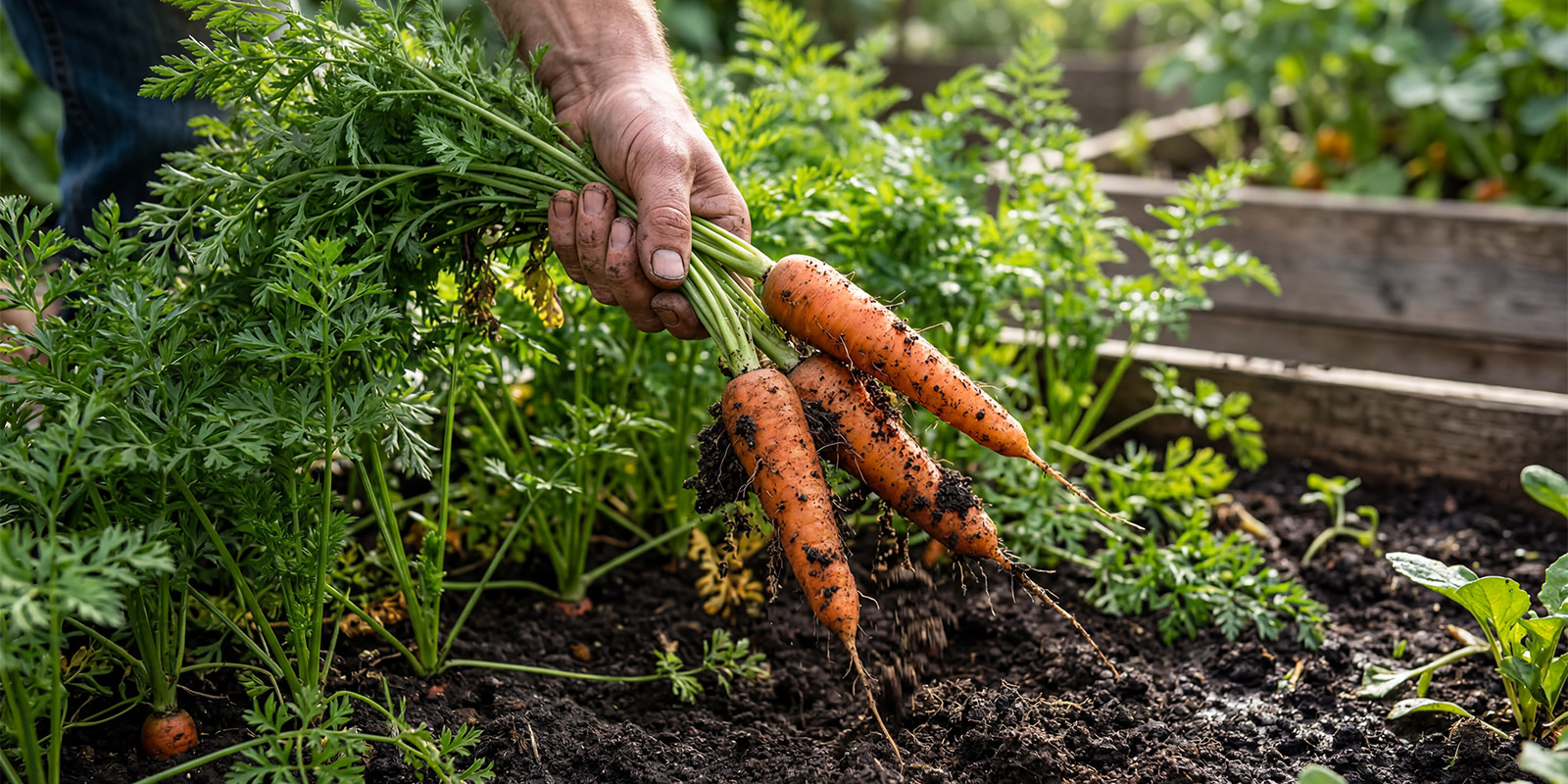
6. Carrots
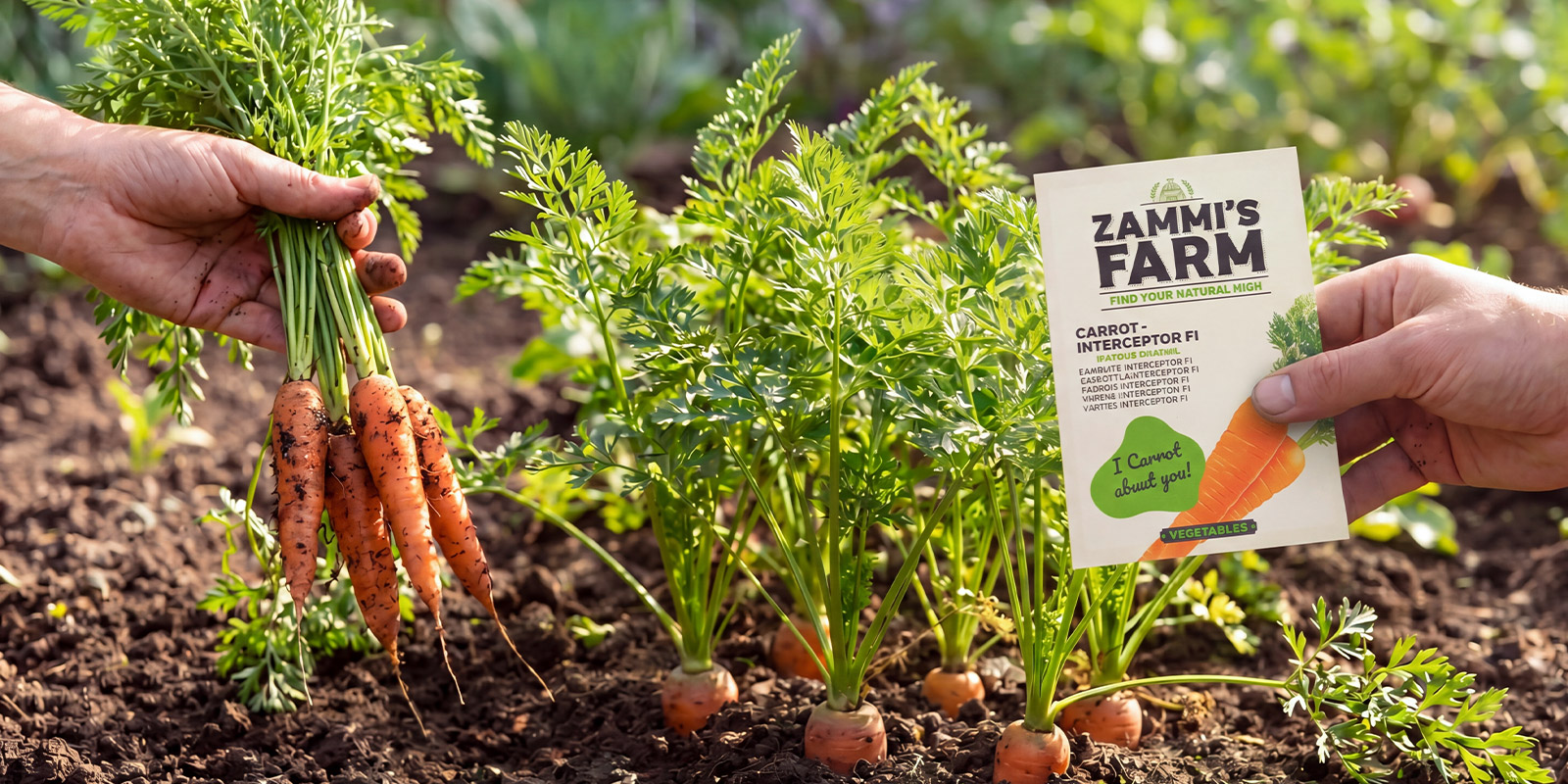
Carrots are a straightforward root crop, as long as you give them the right start: loose, well-draining soil so the roots can grow straight and clean.
They’re also beginner-friendly because you can direct sow the seeds exactly where you want them to grow, rather than fussing with transplanting. In smaller spaces, a raised bed helps you control soil texture, and a deep container works just as well on a balcony, provided it drains properly. For a reliable option, try Carrot Interceptor F1.
7. Peas
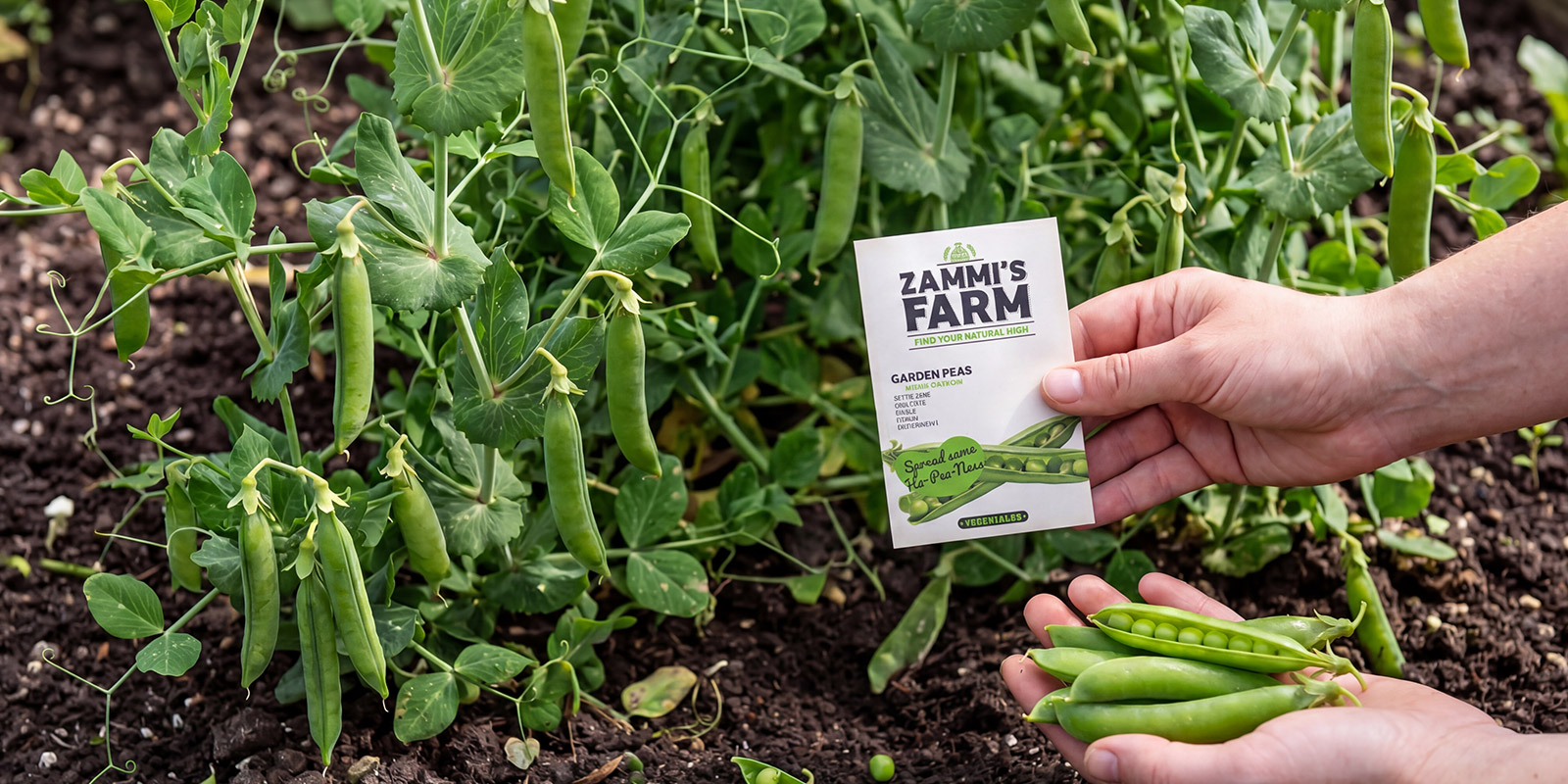
Peas are a brilliant cool-season crop, making them ideal for getting your garden going in early spring when other plants are still sulking.
They’re also easy on beginners because you can sow them directly and watch them take off without loads of fuss. If space is tight, choose a climbing type and give it a simple trellis, canes, or netting; growing up instead of out is a smart way to keep beds and borders tidy. For easy vegetables for small gardens, a pot with support on a balcony can work well, too. Start with garden peas for a simple, satisfying harvest.
8. Spinach
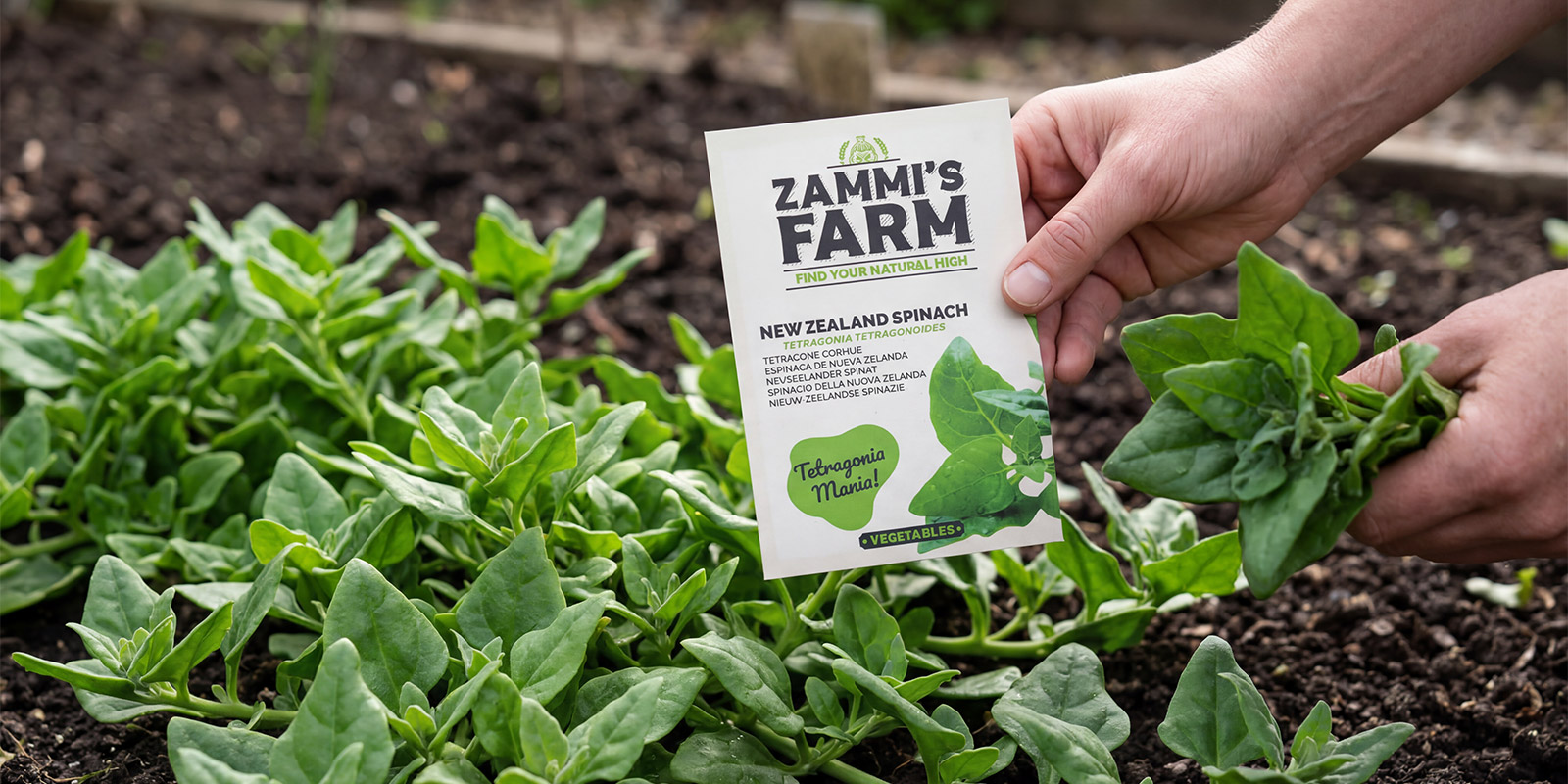
Spinach is a quick-growing leafy green that’s happiest when the weather is cooler, which makes it a handy option when summer heat isn’t on your side.
It’s especially useful for early spring and autumn growing, when you still want fresh leaves without battling bolting or constant watering. For fast-growing vegetables for beginners, keep it simple: sow little and often, keep the soil evenly moist, and pick leaves regularly so plants stay productive. If you’d like an alternative that’s easy to grow and harvest, try New Zealand spinach for steady greens through the season.
9. Cucumbers
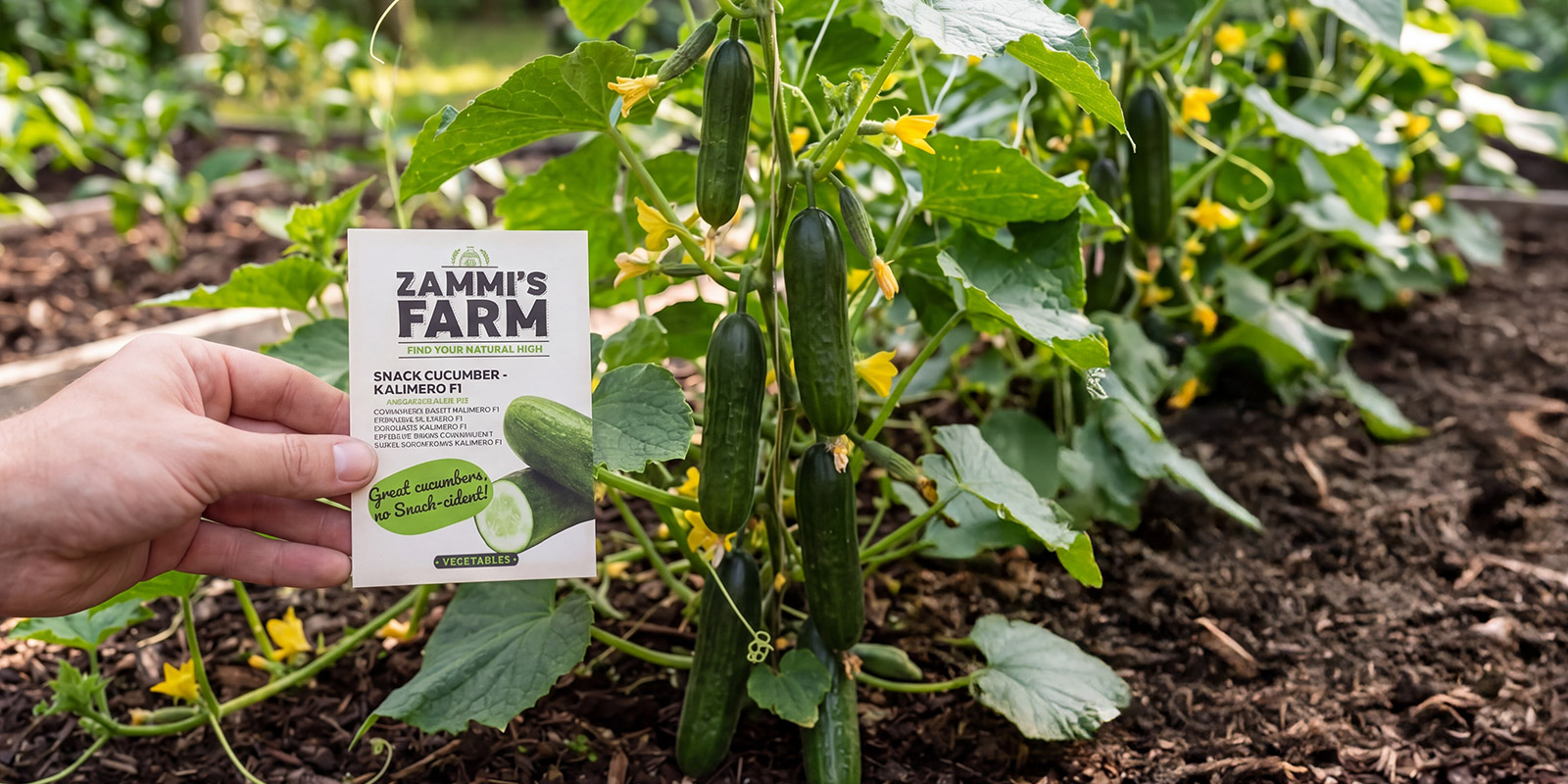
Cucumbers are productive climbers that really come into their own in summer, putting on lots of growth and rewarding you with a steady run of crisp fruit.
They’re a great fit for containers, as long as you give them support. A simple trellis, bamboo canes, or string lets the plant grow upwards, which saves valuable floor space and improves airflow around the leaves. For vegetables to grow in pots, the main basics are consistent watering and something sturdy to climb. Once those are sorted, cucumbers become a genuinely satisfying crop. For a compact option, try Kalimero F1 snack cucumber.
10. Microgreens
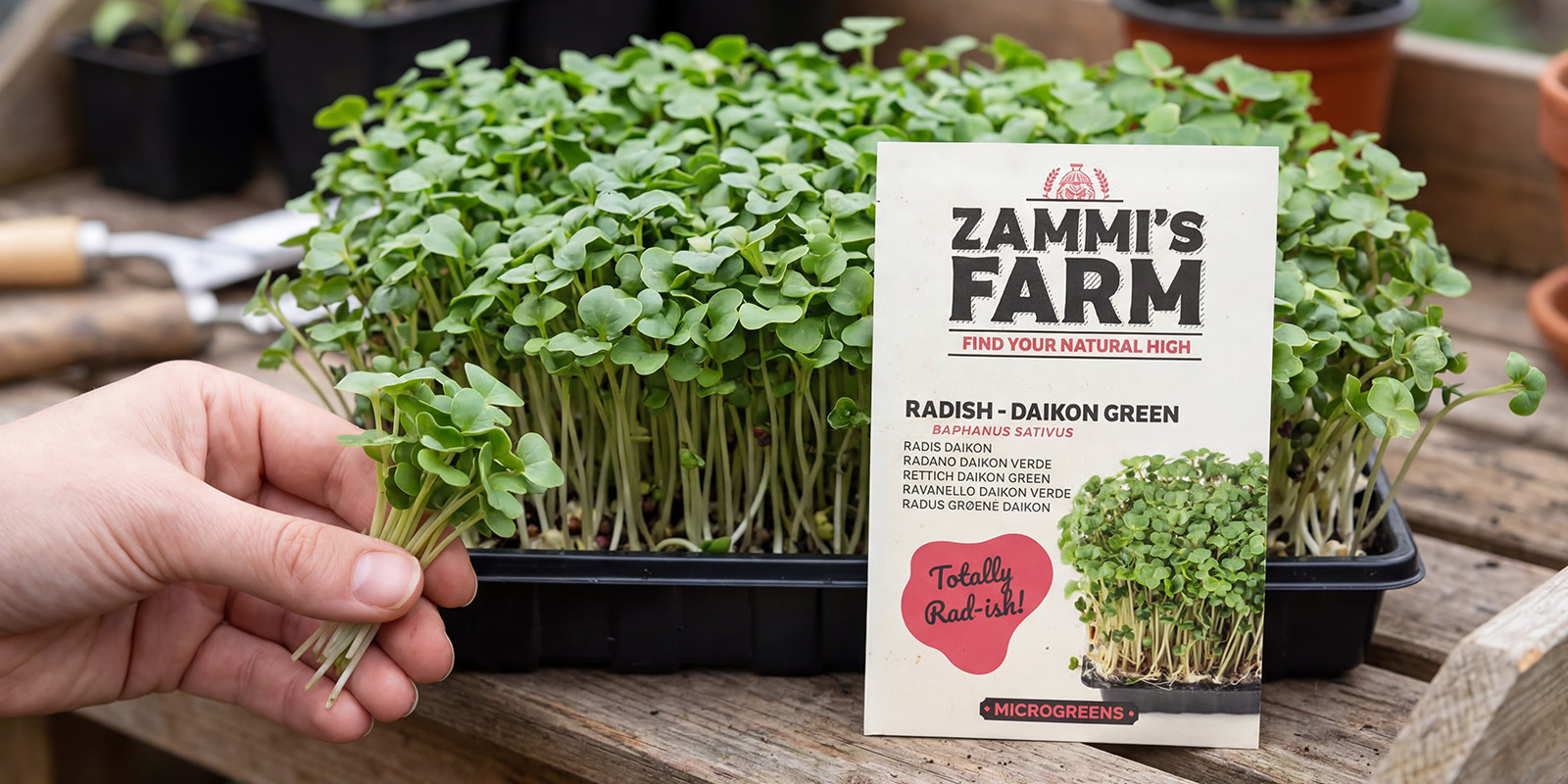
Microgreens are the bonus crop that makes growing feel instantly achievable. They’re ready in days rather than weeks, and because you harvest them young, you don’t need a garden or even much light to get started.
Grown indoors, year-round, they’re ideal for windowsills, shelves, and any flat surface where you can place a shallow tray. For the easiest crops to grow from seed, microgreens are hard to beat: sprinkle seed, mist to keep things moist, and snip when the first true leaves appear. A variety like microgreens Mizuna is a great place to start, and you can browse more microgreens seeds once you’ve had that quick confidence boost.
Tips for growing vegetables successfully as a beginner
Starting small is the quickest way to build momentum. Pick 3–4 vegetables you’ll genuinely eat, learn their basics, then expand once you’ve had a few wins.
Location matters just as much as seed choice. Most veg plants want at least 6 hours of direct sunlight, so place pots, beds, or grow bags somewhere bright and sheltered from strong winds.
Good soil does a lot of the heavy lifting. Use a quality, well-draining mix (or improve garden soil with plenty of compost), then water consistently so it stays evenly moist rather than soggy. Overwatering is a common beginner mistake.
| Checklist item | What to do |
| Start small | Choose 3–4 crops and keep notes |
| Sunlight | Aim for 6+ hours in the right spot |
| Soil | Free-draining, nutrient-rich, topped up with compost |
| Watering | Little and often, adjusting for heat and rainfall |
What should beginners grow first?
For the quickest first success, go for crops that sprout fast, bounce back from small mistakes, and don’t demand perfect timing. Lettuce is reliably productive with regular picking, radishes give you a harvest in a matter of weeks, and microgreens deliver near-instant results indoors.
Choosing fast-growing, forgiving vegetables keeps motivation high and teaches the basics, light, moisture, and spacing, without a long wait. To keep it practical, start with one leafy option, one root crop, and one “quick win” like microgreens, then add new varieties once you’ve got a simple routine dialled in.
From seeds to supper: Your first easy harvest
Growing vegetables at home doesn’t need loads of space, specialist kit, or years of experience. It just needs a bit of sunlight, decent soil, and a routine you can stick to. Keeping your first season simple makes it far more rewarding, because you’ll spend less time troubleshooting and more time harvesting.
Fast-growing, forgiving crops like leafy greens, radishes, and microgreens are ideal for building early confidence and getting a feel for watering and timing. When you’re ready to get started, explore Zamnesia’s vegetable seeds and beginner-friendly growing kits and set yourself up for an easy first run.
-
 4 min
11 August 2026
Discover 10 Unique-Looking Vegetables
Do you want to sow some strange and novel fruits and vegetables in your garden this spring? Well, look no further—we’ve got you covered with this top 10 list of odd-looking plants to add some...
4 min
11 August 2026
Discover 10 Unique-Looking Vegetables
Do you want to sow some strange and novel fruits and vegetables in your garden this spring? Well, look no further—we’ve got you covered with this top 10 list of odd-looking plants to add some...
-
 7 min
8 January 2024
Best Fruits And Vegetables For Cold Climates
So, you live in an area with a short growing season? Your garden freezes over late in spring and early in autumn? While you won't have any luck trying to cultivate tropical, heat-loving plants,...
7 min
8 January 2024
Best Fruits And Vegetables For Cold Climates
So, you live in an area with a short growing season? Your garden freezes over late in spring and early in autumn? While you won't have any luck trying to cultivate tropical, heat-loving plants,...
-
 8 min
28 December 2023
The Best Fruits & Vegetables To Grow In Hot Climates
If you're looking to grow your own fruit and vegetables in a warm climate, you're in the right place! First things first, we'll cover the advantages and drawbacks of warm conditions. Then, you'll...
8 min
28 December 2023
The Best Fruits & Vegetables To Grow In Hot Climates
If you're looking to grow your own fruit and vegetables in a warm climate, you're in the right place! First things first, we'll cover the advantages and drawbacks of warm conditions. Then, you'll...
-
 6 min
28 December 2021
Which Fruits And Veggies Make The Best Bongs & Pipes?
Take your smoking sessions to the next level by incorporating your favourite fruits and vegetables. Whether you're in a pinch or just looking to have some fun with your herb, this is the guide for...
6 min
28 December 2021
Which Fruits And Veggies Make The Best Bongs & Pipes?
Take your smoking sessions to the next level by incorporating your favourite fruits and vegetables. Whether you're in a pinch or just looking to have some fun with your herb, this is the guide for...