 8.6 out of 10 based on 81059 reviews








.svg)
.svg)
.svg)
.svg)
.svg)
.svg)



 Mushroom Dosage Calculator


 Help
Help United States

 7 min
7 min
The 10 Easiest To Grow Cannabis Strains For Beginners



If you’re still new to growing cannabis, choosing the right strain can make all the difference. Certain varieties are just easier to grow, making them better suited for novices. These strains often have shorter growing periods, are resilient, and easy to manage. Let's take a look at the most popular easy to grow cannabis strains for beginners.
Most failed first grows have little to do with skill and everything to do with the seed. Genetics bred to forgive mistakes will cover for the gaps in your knowledge while you learn; a temperamental cultivar punishes every small error and compounds it.
That is the logic behind this list. 10 strains, split evenly between autoflowering and photoperiod seeds, each chosen because it tolerates what beginners tend to get wrong: irregular watering, heavy-handed feeding, humid tent corners, the occasional pest. The picks are spread across several breeders we stock rather than pulled from one catalogue, so the selection reflects what genuinely grows well rather than what is convenient to recommend.
Genetics do most of the heavy lifting on a first grow. The skill is knowing which traits to look for before you buy.
Indica, sativa, and hybrids: Is there a difference in grow difficulty?
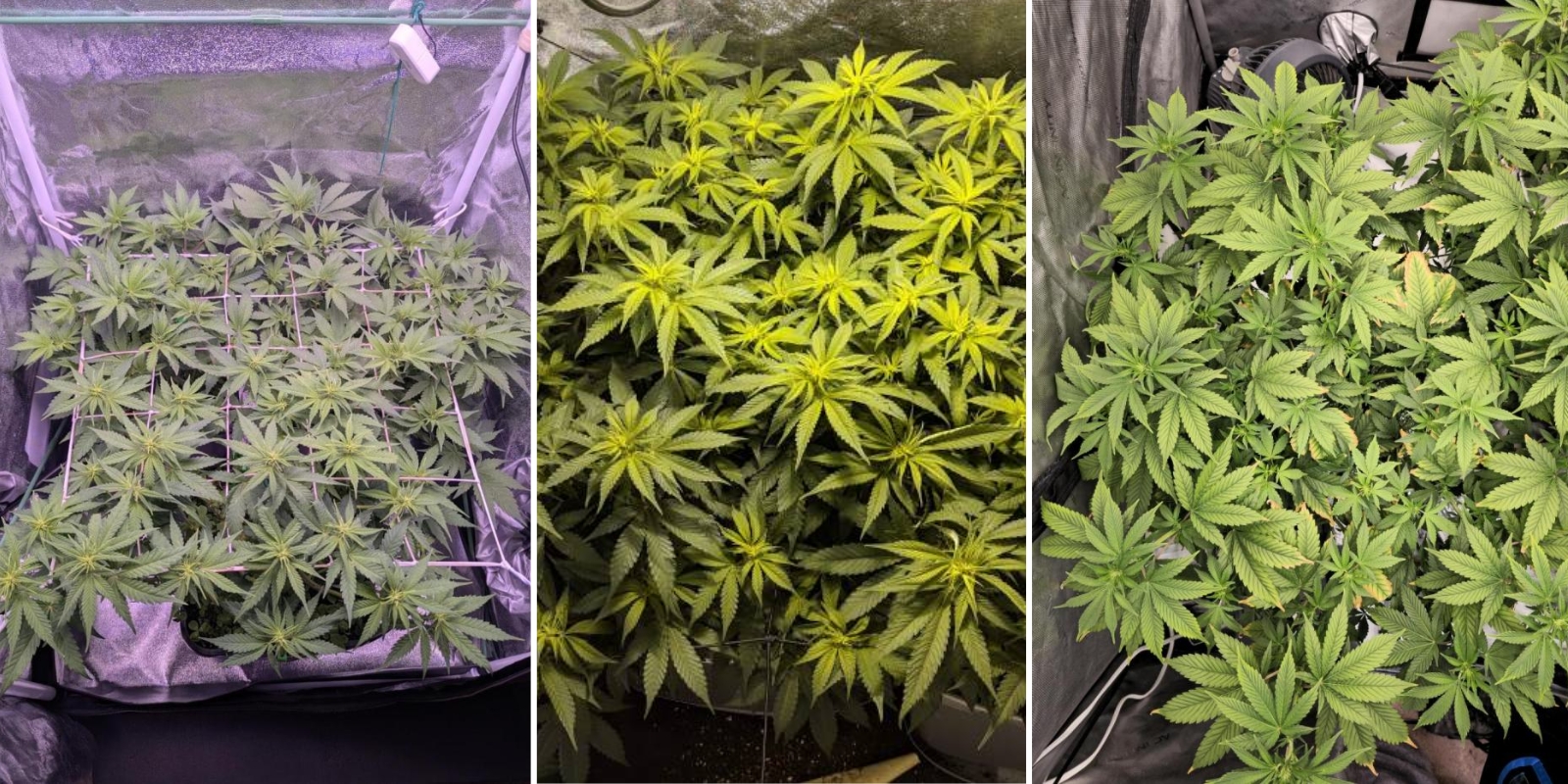
Yes, though less than the labels suggest. Growth pattern is what actually changes the difficulty, and that pattern tends to track the indica or sativa lineage.
Indica-leaning plants stay shorter and bushier, flower faster, and finish in tighter windows. That suits an indoor tent, a short outdoor season, or a cooler northern climate, which is why most beginner-friendly strains, and most of this list, lean indica. The trade-off is bud density: fat, compact colas trap moisture, so airflow still matters even on a hardy indica.
Sativa-leaning plants are the opposite. They stretch tall, sometimes doubling or tripling in height during flowering, and they take longer to ripen, occasionally eleven weeks or more. They prefer warmth and long seasons, which makes them harder to manage in a small space or a damp climate.
Hybrids sit in between, and most modern strains are hybrids. A well-chosen indica-dominant hybrid gives you the speed and structure of an indica with a more varied effect.
One honest caveat: indica and sativa have become loose commercial shorthand rather than precise botanical categories. Two strains sold as indica can grow very differently. Read the breeder's notes on height, flowering time, and resilience, and trust those over the label on the pack.
Autoflowering vs photoperiod seeds for beginners
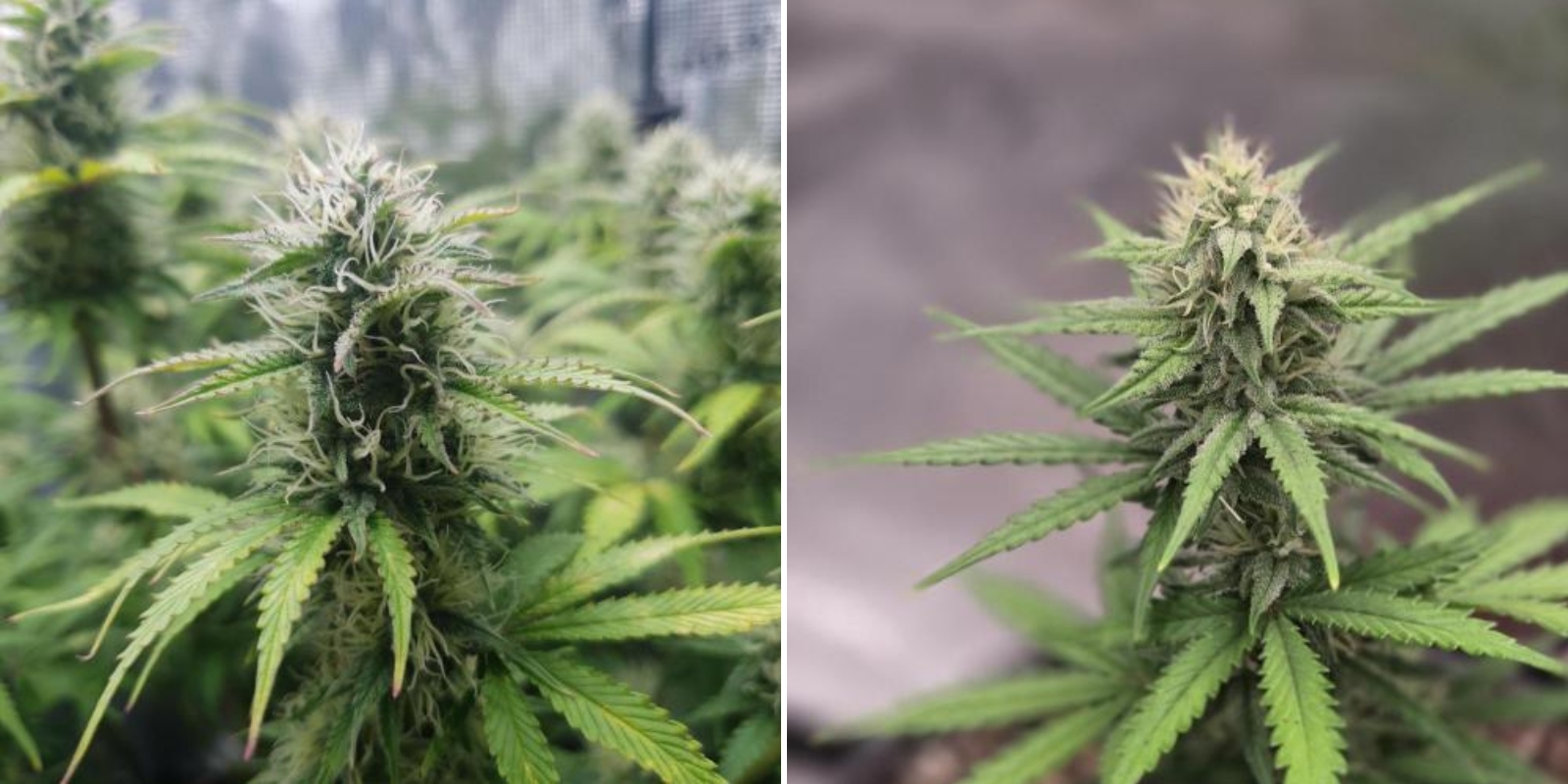
The two seed types split this list, and they grow on completely different clocks.
Autoflowering plants flower on age rather than light. Around three to four weeks from sprouting, they begin to bud no matter how many hours of light they get, then finish the whole cycle in roughly 8 to 11 weeks. You never adjust a light schedule, they stay compact, and you can run them outdoors at almost any point in the season. The catch is smaller yields and a shorter window to fix mistakes, since the plant will not wait for you to correct a problem.
Photoperiod plants flower only when the dark period grows long enough, outdoors in autumn, or indoors when you switch the lights to 12 hours on and 12 off. They grow larger, yield more, can be cloned, and give you time in the vegetative stage to recover from early errors. In return they ask for a little light management and a bit more patience.
Neither is harder in absolute terms. Autos reward a hands-off grower; photoperiods reward one who likes a measure of control.
Top 5 autoflowering strains for beginners
These five autoflowers give a beginner the best odds of a clean first harvest. All are compact and forgiving, most finish inside 10 weeks, and they come from five different breeders, so the strengths are genuinely varied rather than one house style repeated. Each note covers why the strain made the cut and where it asks for a little care.
Quick One (Royal Queen Seeds)
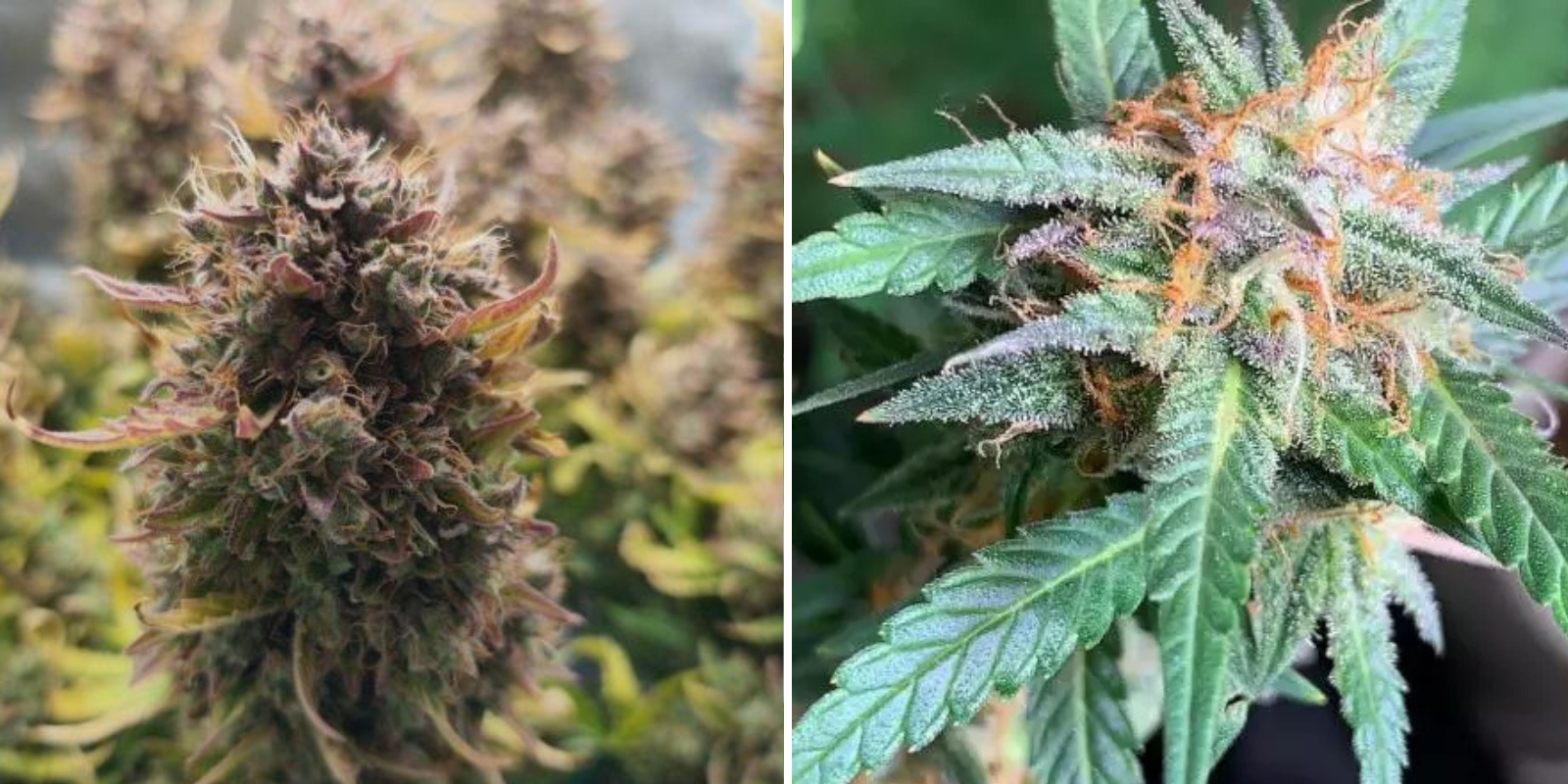
Royal Queen Seeds built Quick One for speed, and it remains one of the fastest seeds you can buy, ready in around 8 to 9 weeks from seed to harvest. It stays small, roughly 60 cm indoors and up to 100 cm outdoors, which makes it ideal for a cupboard, a balcony, or a first tent where space is tight.
Its indica and ruderalis genetics build in resilience, so Quick One handles cooler conditions and minor feeding mistakes without sulking, and the modest height keeps it discreet outdoors.
Indoor yields reach up to 350 g/m², sensible rather than spectacular, which is a fair trade for the speed and forgiveness. At around 13% THC and a lemon aroma, the effect is clear and cerebral rather than heavy. For a first-ever grow where you simply want to reach harvest and learn the rhythm, this is the safest start on the list.
Northern Lights Automatic (Zamnesia Seeds)
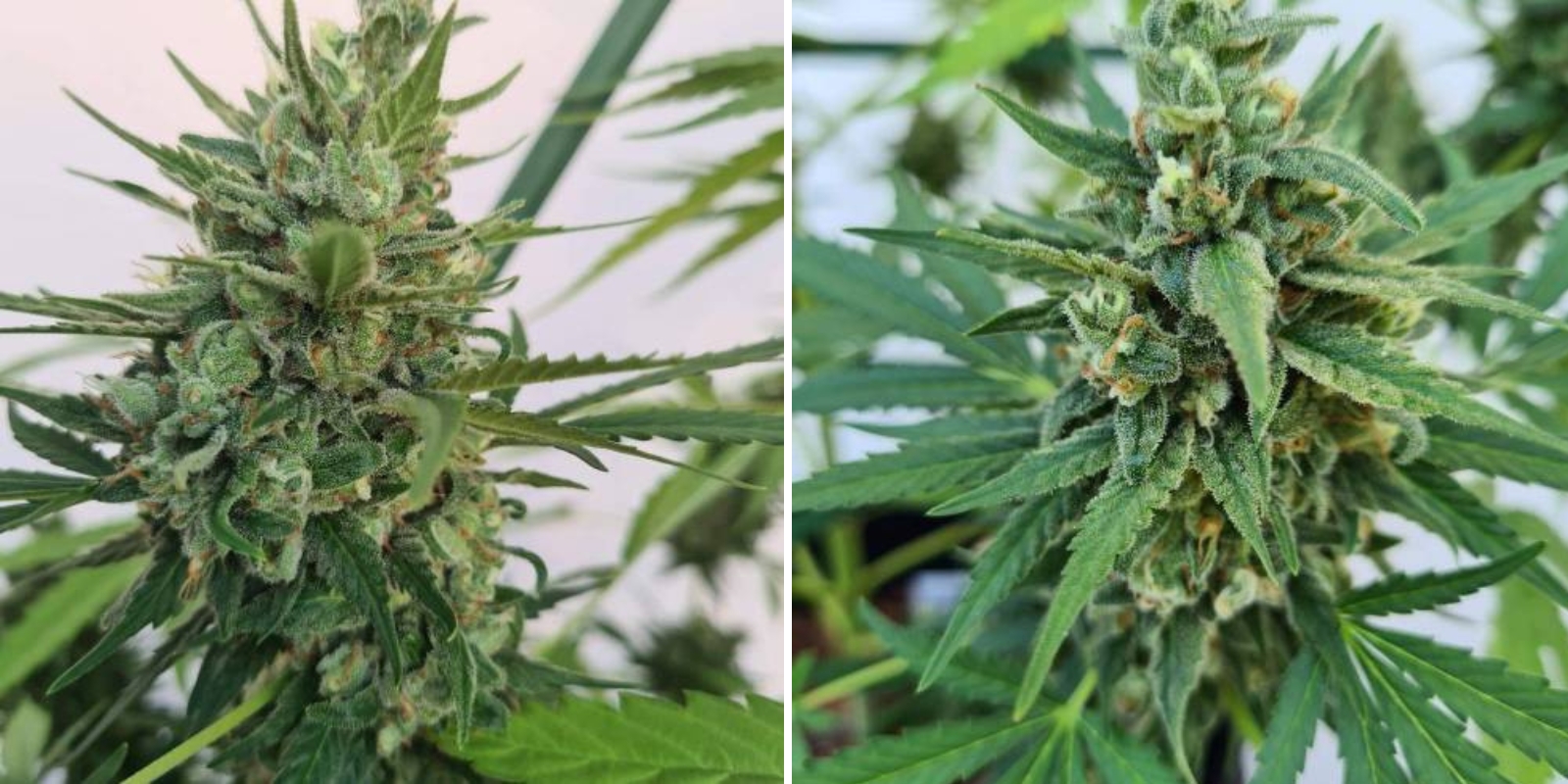
Zamnesia Seeds put its own name to this autoflowering take on Northern Lights, and the result is one of the most beginner-proof seeds in the in-house range. The Northern Lights and ruderalis genetics bring natural hardiness, shrugging off temperature swings and the odd watering lapse without stalling.
It runs from seed to harvest in around 9 to 10 weeks, reaching a manageable 120 cm whether grown indoors or out, so it suits a tent or a discreet garden spot. The sturdy frame and that resilience leave little for a first-timer to get wrong.
Feeding is light and simple, and at around 15% THC the dense, frosted buds deliver the relaxing, sleepy effect Northern Lights is known for, best saved for the evening. As an affordable, low-maintenance introduction to growing, Northern Lights Automatic is hard to fault.
Green Poison Auto (Sweet Seeds)
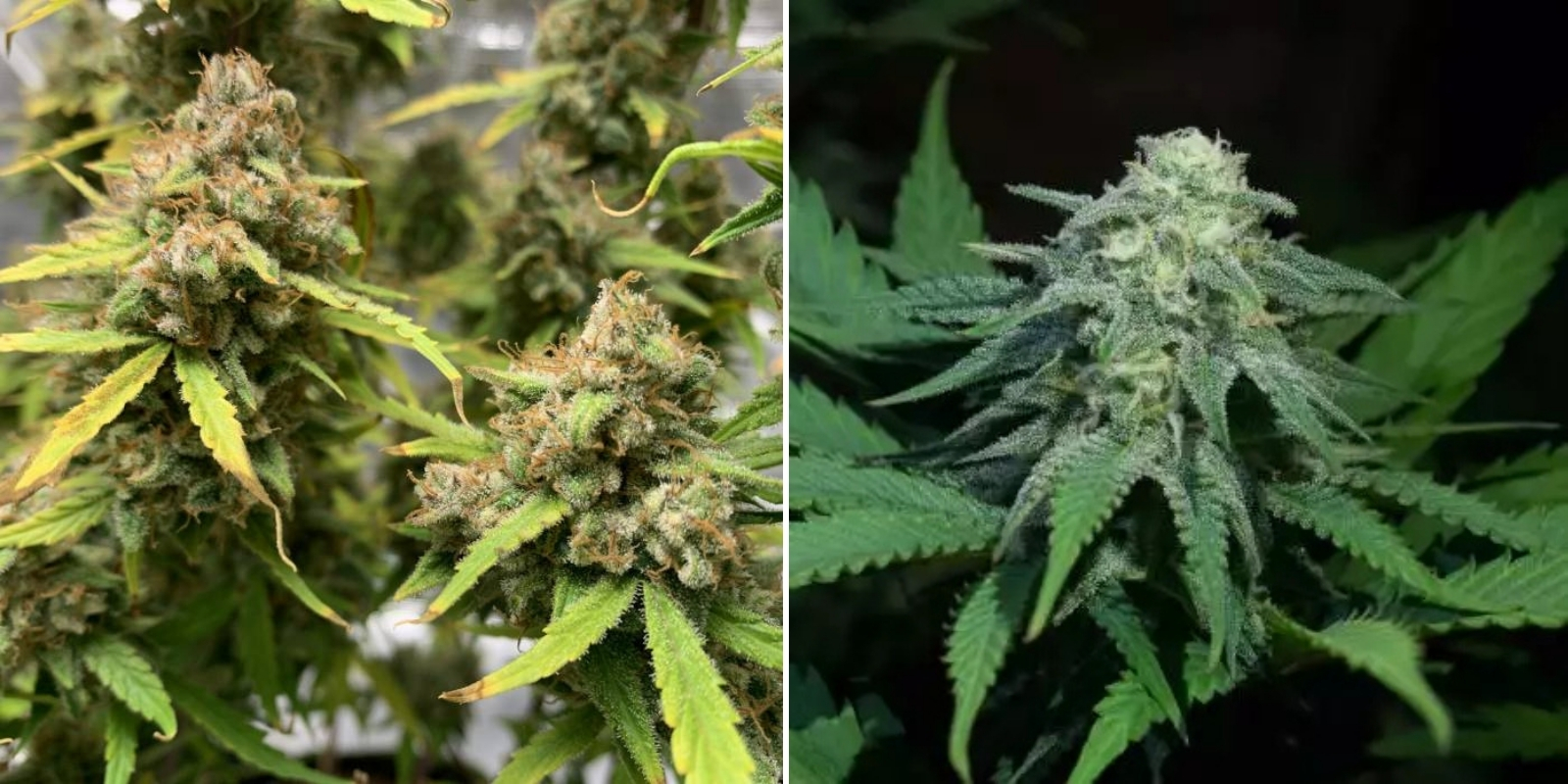
Sweet Seeds, a Spanish breeder with a long autoflowering pedigree, made Green Poison for growers who want a fast, fuss-free result. It finishes in around 8 to 9 weeks from germination, among the quickest on this list, and stays vigorous throughout, recovering quickly from the stumbles a first grow tends to involve.
The plant is sturdy and uniform, around 100 cm tall, with good resistance to mould thanks to its compact but not overly dense structure. It performs indoors and out, staying manageable in either.
Worth flagging: at around 20% THC this is stronger than its easy reputation suggests, and the pungent, sweet skunk aroma carries, so discretion needs a little planning indoors. The effect is potent and long-lasting. For a beginner chasing speed without sacrificing resilience, Green Poison Auto is a dependable pick from a breeder that knows the category.
Auto Blueberry (Dutch Passion)
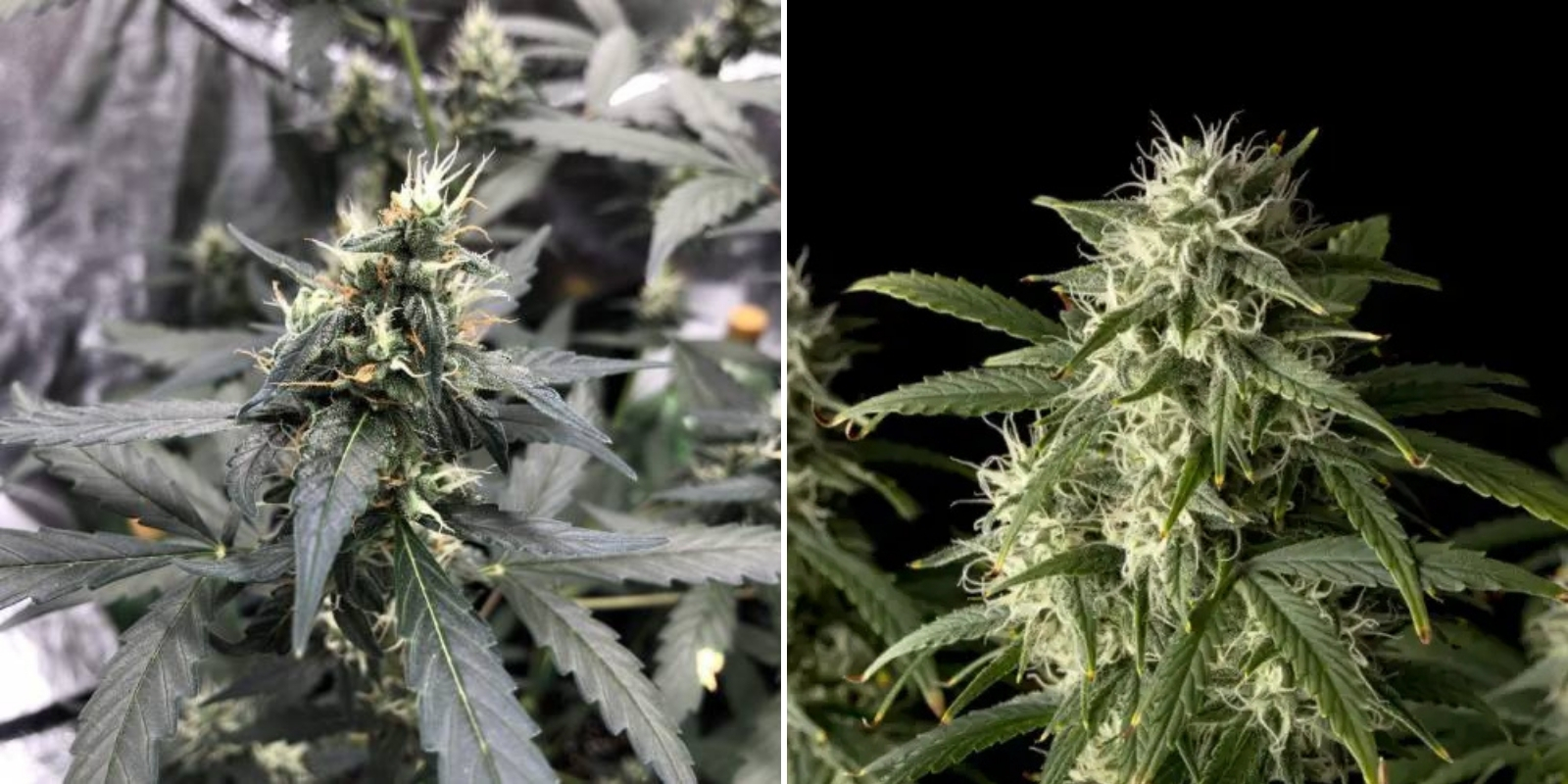
Dutch Passion has spent decades refining autoflowering genetics, and Auto Blueberry distils that experience into a sweet, forgiving plant ideal for a first grow. Its Blueberry parentage is famously stable, so seedlings grow predictably and recover well from early mistakes.
The plant stays compact and finishes in roughly 9 to 10 weeks from seed, a little longer than the quickest autos here but still firmly beginner territory. Its modest size suits a tent or a balcony, and the fully indica genetics keep the structure tidy.
Feeding needs are low, and at around 14% THC the effect is relaxing and gently euphoric rather than overwhelming, carrying the fruity sweetness the strain is named for. For a beginner who wants flavour and dependability over raw speed, Auto Blueberry is a richly flavoured, low-maintenance choice from a true autoflower pioneer.
LSD Auto (Barney's Farm)
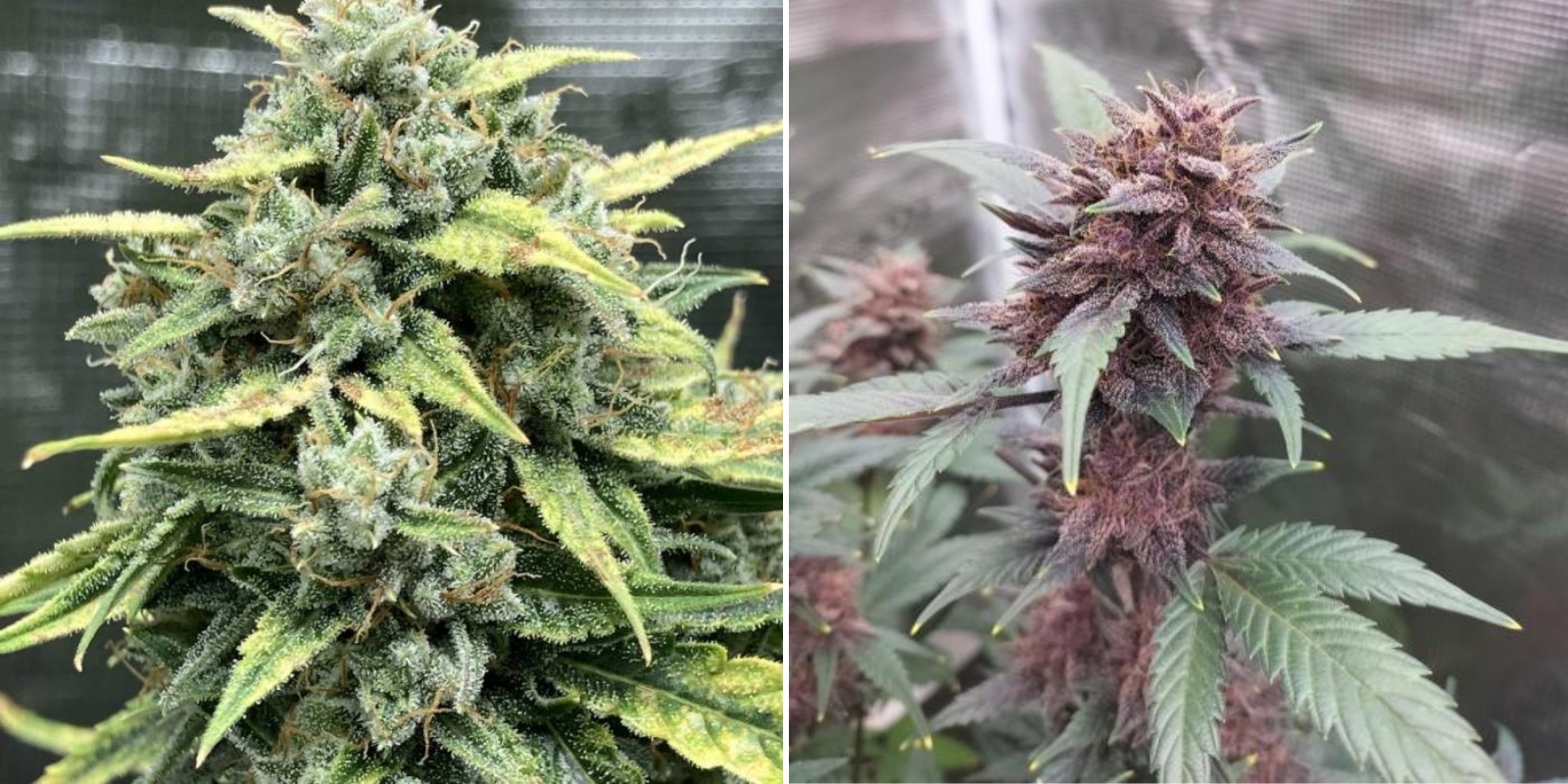
Barney's Farm gave its celebrated LSD strain an autoflowering twist by crossing it with Super Magnum Auto, and the result keeps the hardiness that makes it such a forgiving grow. The plant is tough and resinous, with solid mould resistance that takes real pressure off a first-time grower.
It runs around 9 to 10 weeks from seed and stays manageable in height, fitting a tent or a modest outdoor spot, while still turning out generous yields for an auto. The sturdy structure copes with handling and minor stress, and feeding stays simple throughout.
The medium-strength effect is uplifting, euphoric, and sociable rather than heavy, with an earthy aroma carrying notes of citrus and mango. For a beginner who wants a resilient, productive autoflower that does the hard work for you, LSD Auto is a low-effort choice from a trusted breeder.
Top 5 photoperiod strains for beginners
Photoperiod seeds ask for one extra skill, switching the light cycle to trigger flowering, and repay it with bigger plants, larger harvests, and the option to take clones. These five are the most forgiving of the type, each a proven beginner strain from a different corner of the seed world, and each chosen for the same blend of resilience, speed, and manageable feeding that guided the autos.
Critical Jack (Silent Seeds)
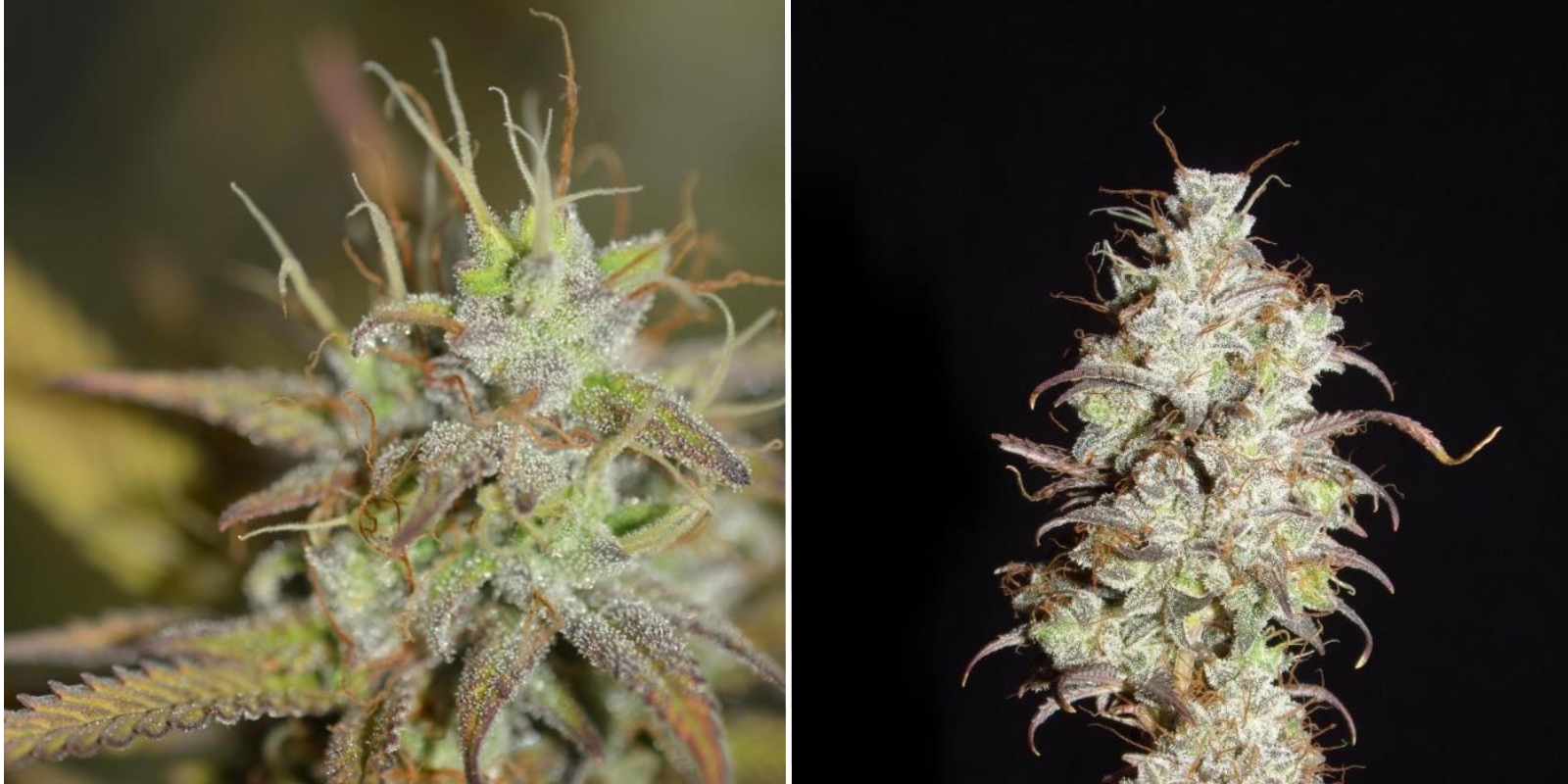
Critical Jack crosses two heavyweight names, Critical+ and Jack Herer, and Silent Seeds offers it at a price that suits a first grow. The result is a vigorous, fast-growing plant that puts on weight quickly, resists mould and pests, and shrugs off the inconsistencies of a beginner's routine.
It flowers fast for a photoperiod, around 8 to 9 weeks, and rewards the short wait with high yields of resinous buds scented with citrus and spice. The sativa side stretches hard, especially outdoors where it can tower, so indoor growers or anyone short on headroom should be ready to manage its height.
Feeding is straightforward, and at around 20% THC the effect is bright, cerebral, and long-lasting, true to its Jack Herer side rather than heavy. For a beginner who wants speed, resilience, and a big return without much fuss, Critical Jack is an easy, productive way to start.
Skunk+ (Kannabia)
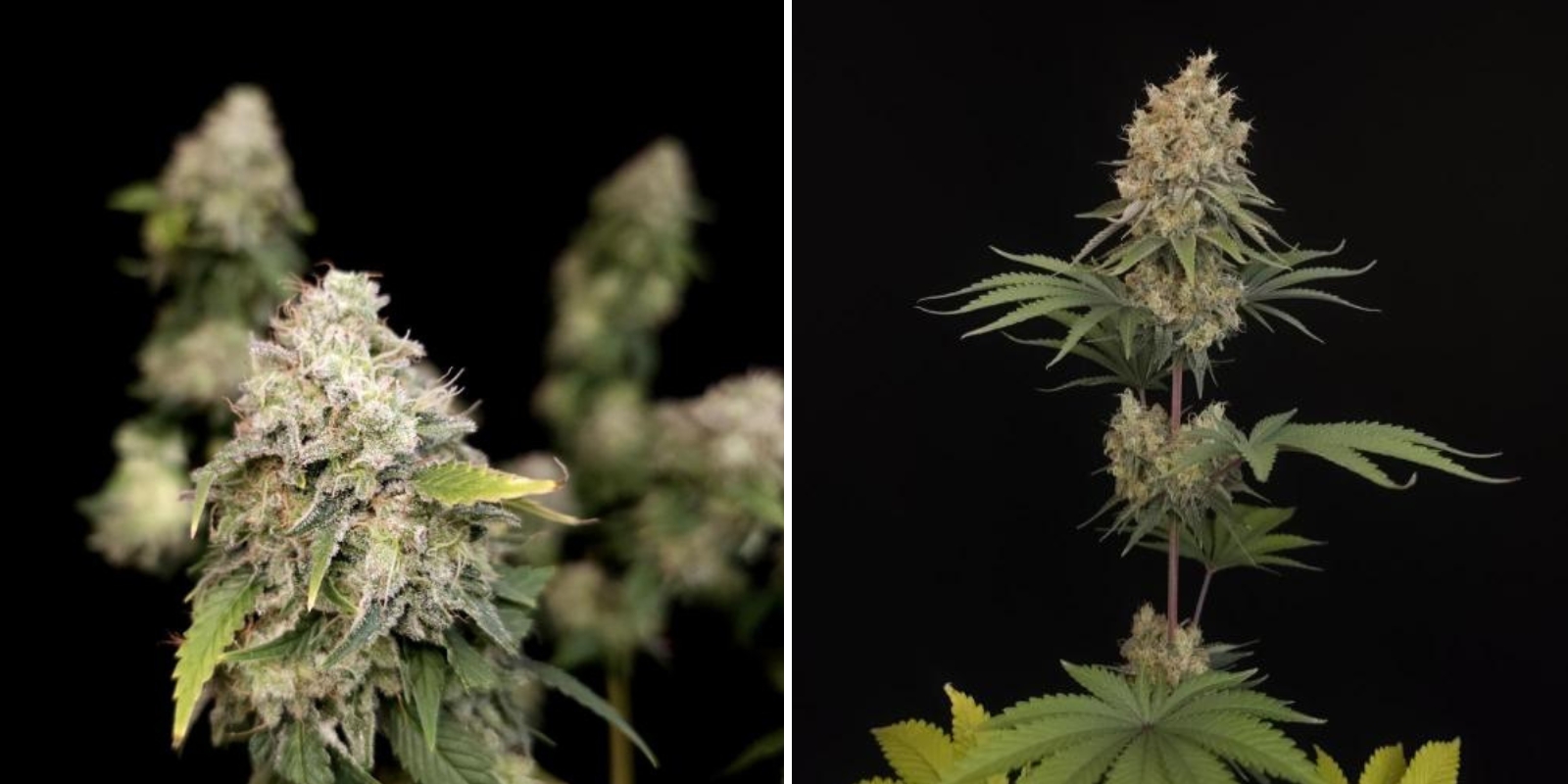
Kannabia built Skunk+ from a Black Domina and Skunk cross, pairing a heavy indica with classic skunk vigour, and that heritage shows in how forgiving it is. Plants grow vigorous and uniform, hard to stunt, and quick to bounce back from the missteps a first grow involves.
Flowering wraps up in around 7 to 8 weeks, and the strain performs as happily outdoors as it does in a tent, handling less-than-ideal conditions without fuss. Yields are generous for the effort involved, and feeding stays straightforward.
The aroma is loud, a pungent skunk with a citrus edge that benefits from odour control indoors. At around 16% THC and 75% indica, the effect is strong and leans to the relaxing side rather than the heady one. For a beginner after a robust, productive plant with an easy reputation, Skunk+ is a simple recommendation.
White Widow (Zamnesia Seeds)
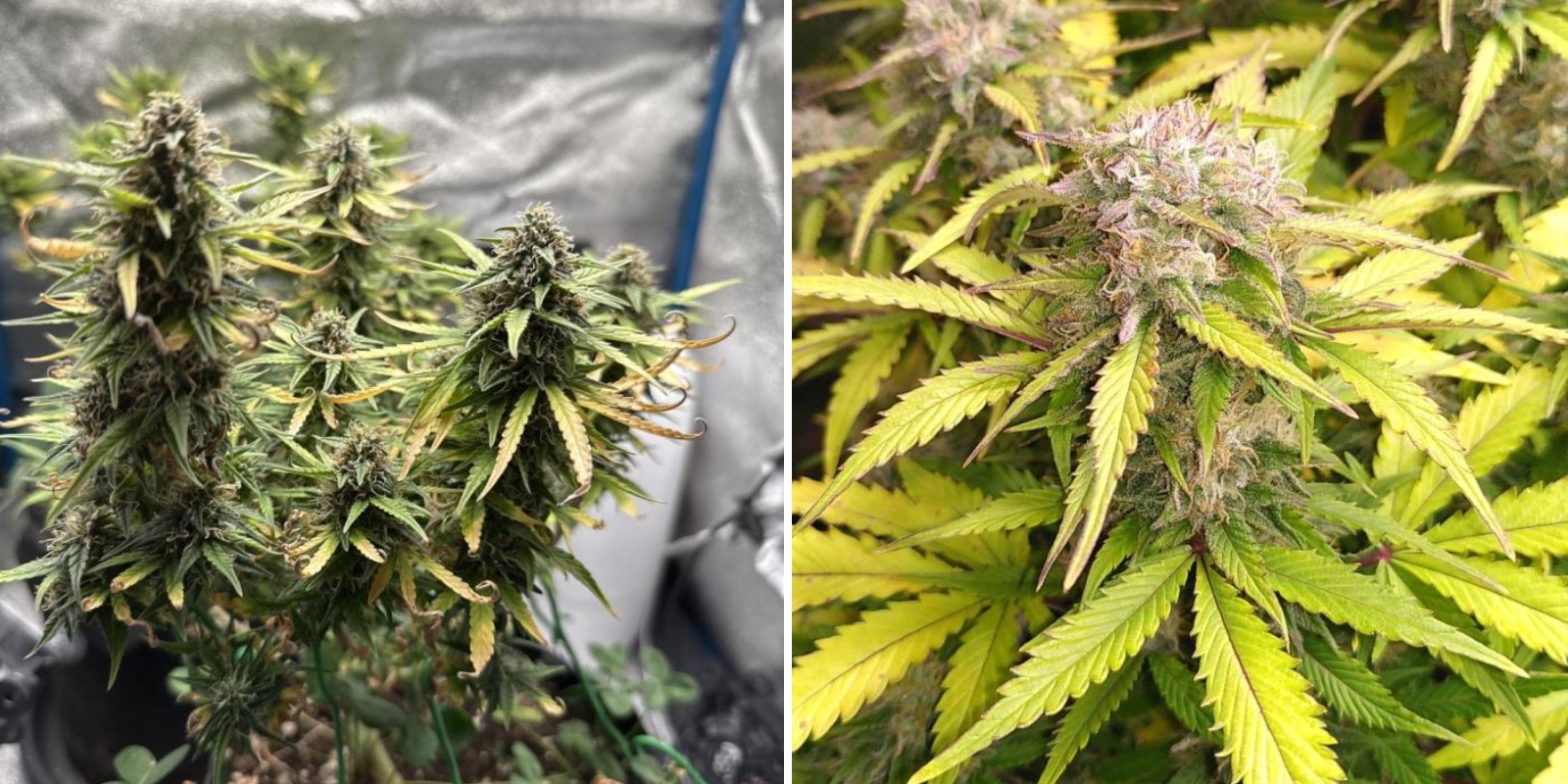
White Widow has been a grower's staple since the 1990s, and the Zamnesia Seeds version keeps the hardiness that made it famous while sitting at an approachable price. The resin-coated buds resist mould reasonably well, and the plant takes indoor and outdoor growing in its stride, though it does best in a warm, settled climate.
Flowering runs around 8 to 9 weeks, producing a balanced 50/50 hybrid with the trademark frosty finish. The plant is sturdy, around 100 cm indoors, easy to manage without much training, and tolerant of the uneven care a first grow tends to involve.
Feeding needs are moderate, and the strain signals problems clearly rather than fading quietly. At around 18% THC, the effect is uplifting, energetic, and clear-headed rather than sedating. As a dependable all-rounder from the in-house range, White Widow works equally well as a first grow or a long-term staple.
Special Kush 1 (Royal Queen Seeds)
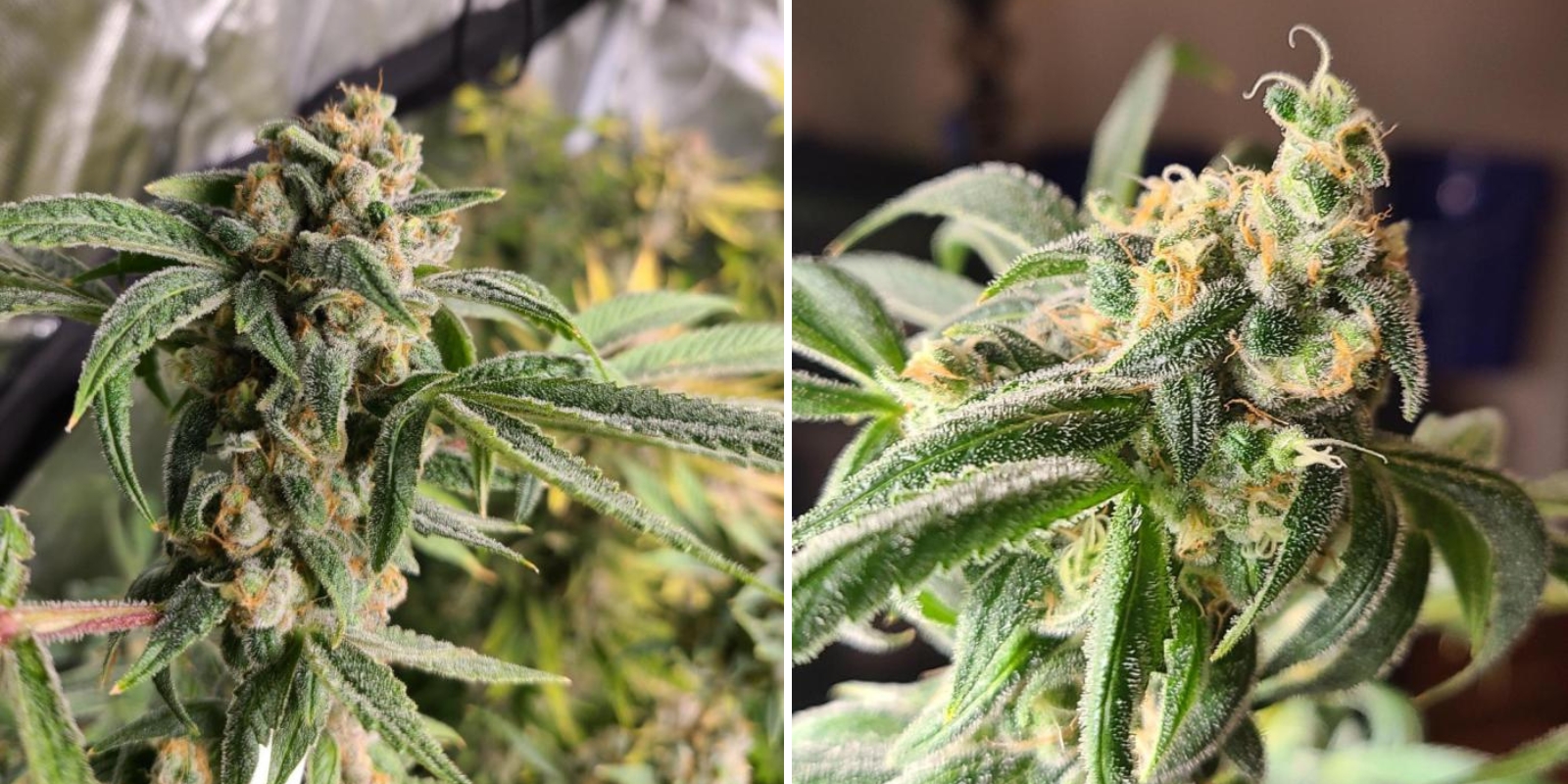
Royal Queen Seeds positions Special Kush 1 as a no-nonsense, affordable indica, and that is exactly what makes it a smart first grow. The Afghan and Kush parentage is stable and robust, producing uniform plants that tolerate beginner errors and stay easy to manage from seed to jar.
It flowers in around 7 to 8 weeks and stays compact indoors, near 100 cm, though it can stretch well over 2 metres outdoors, so a little height management helps in the garden. There is otherwise little training or fuss involved, and the plant resists the usual stresses that catch new growers out.
Feeding is undemanding, and at around 17% THC the effect is a long-lasting, 80% indica body-buzz with a rich hashish aroma, best enjoyed in the evening. For a beginner who wants a straightforward, low-cost introduction to growing without any of the complications, Special Kush 1 is one of the easiest seeds on the list.
Blue Dream (Blimburn Seeds)
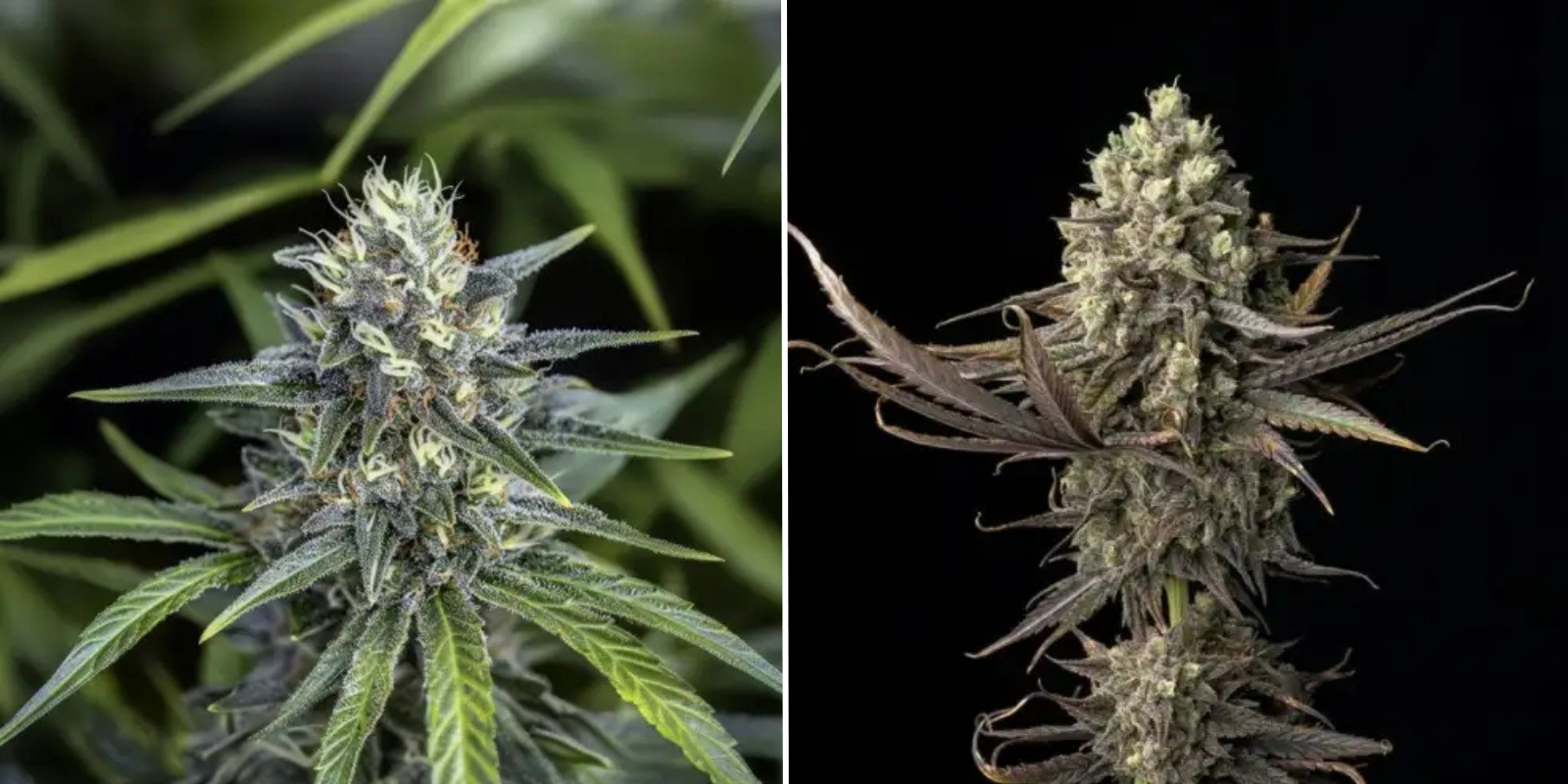
Blue Dream earned its reputation in California and has been a favourite ever since, and Blimburn Seeds offers an accessible, stress-resistant version of this Blueberry and Haze cross. Blimburn rates it easy to grow, and it is genuinely hard to kill, which is a large part of why beginners get on with it despite its sativa lean.
That sativa side is the main thing to plan for. The plant stretches taller than the indica-dominant picks here and takes a little longer to ripen, as sativa-dominant plants tend to, so it wants headroom and a touch of patience. Give it those and it rewards you with heavy yields.
Feeding is undemanding, but at around 24% THC this is the most potent strain on the list, so go gently with it. The effect is cerebral and happy with a relaxing body, and the flavour runs to sweet berry and mango. For a beginner with the vertical space who wants a taste of classic sativa character without the difficulty of a pure haze, Blue Dream is a forgiving way in.
Beginner grow tips for your first harvest
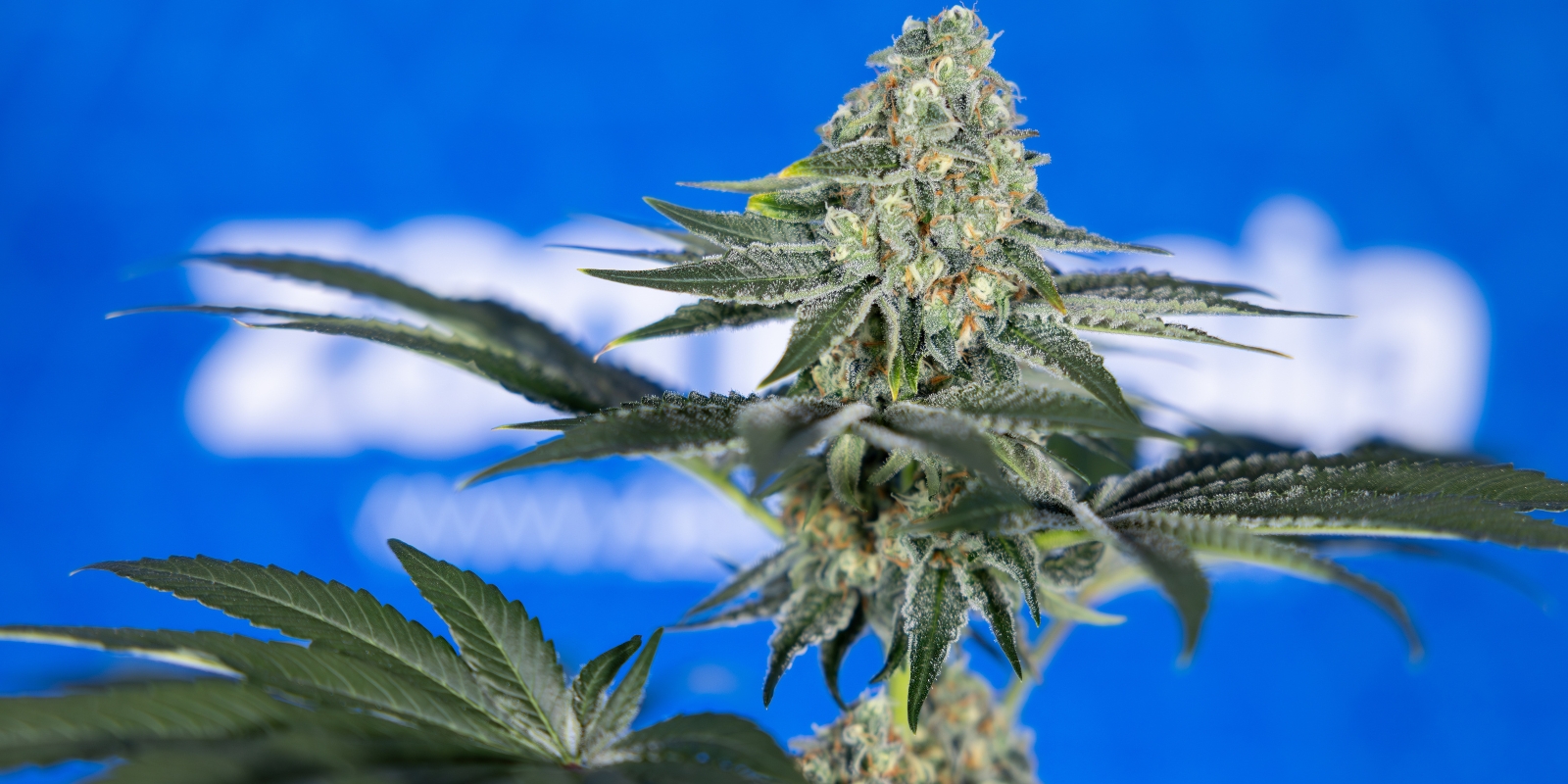
The right seed gets you most of the way; a handful of habits cover the rest.
Go easy on water. More first grows are drowned than starved. Let the top few centimetres of medium dry out between waterings, and lift the pot to judge its weight rather than watering on a fixed schedule.
Feed less than you think you need. Nutrient burn from overfeeding is the most common rookie mistake, and the forgiving strains above thrive on a light, simple feeding regime. Start at half the recommended dose and increase only if the plant asks for it.
Keep the air moving. A gentle breeze and good ventilation strengthen stems and, more importantly, keep mould away from dense buds in late flowering. Pair that with stable temperatures, ideally around 20 to 28 °C, and most problems never start.
Start small. One or two plants are far easier to learn on than a full tent, and the lessons transfer.
Finally, hold your nerve at harvest. The biggest gains in quality come from waiting until the trichomes turn milky rather than cutting early out of impatience. Patience at the end is what separates a decent first grow from a genuinely good one.
All ten picks and more live in our beginner strains category, ready to order as fresh seeds.
-
 5 min
18 November 2025
Top 10 high-yielding feminized cannabis strains
Looking for cannabis strains that deliver truly massive harvests? Explore our list of the top 10 high-yield feminized strains, chosen for their proven genetics, indoor and outdoor performance, and...
5 min
18 November 2025
Top 10 high-yielding feminized cannabis strains
Looking for cannabis strains that deliver truly massive harvests? Explore our list of the top 10 high-yield feminized strains, chosen for their proven genetics, indoor and outdoor performance, and...
-
 4 min
28 February 2023
Top 5 Sativa Cannabis Strains For 2026
2026 is here, presenting us with some amazing sativa varieties—some new and some truly classic. Embrace the uplifting and energetic vibes of these magnificent sativas.
4 min
28 February 2023
Top 5 Sativa Cannabis Strains For 2026
2026 is here, presenting us with some amazing sativa varieties—some new and some truly classic. Embrace the uplifting and energetic vibes of these magnificent sativas.
-
 4 min
20 February 2023
Top 5 Indica Strains For 2026
It's 2026, which means it's time to present the best indica strains for this beautiful year. Relaxing and meditative vibes await.
4 min
20 February 2023
Top 5 Indica Strains For 2026
It's 2026, which means it's time to present the best indica strains for this beautiful year. Relaxing and meditative vibes await.
-
 5 min
6 September 2019
Top 10 Best Cannabis Strains
Ever wondered what our favourite cannabis strains are here at Zamnesia? Wonder no longer, we have put together a list of our top 10.
5 min
6 September 2019
Top 10 Best Cannabis Strains
Ever wondered what our favourite cannabis strains are here at Zamnesia? Wonder no longer, we have put together a list of our top 10.