









.svg)
.svg)
.svg)
.svg)
.svg)
.svg)


 Mushroom Dosage Calculator


 Contact

 7 min
Types of Hash: A Guide to Hashish From Around the World


From rural Turkey to the foothills of the Himalayas, hashish is produced widely throughout the Middle East into Asia. In this article, we take an in-depth look at the different types of hash from around the world.
Moroccan, Lebanese, Afghan, charas, temple balls, bubble hash... the list of hash types is long, and the names don't always tell you much. The good news: every type of hash comes down to just two questions.
- Where was it made? Climate, local strains, and centuries of tradition give each region its own style.
- How was the resin collected? Sieved, hand-rubbed, washed in ice water, or pressed with heat. The method shapes the texture, colour, and strength more than anything else.
Answer those two, and you can place almost any hash on the map. Below, we walk you through 12 types of hash from around the world, how each one is made, and how to tell them apart.
Types of Hash at a Glance
| Type | Origin | How it's made | Texture and colour | Known for |
|---|---|---|---|---|
| Moroccan | Rif Mountains, Morocco | Dry-sifted, pressed | Firm to crumbly, light brown to tan | Mild, smooth, uplifting |
| Lebanese | Bekaa Valley, Lebanon | Dry-sifted, pressed | Firm slabs, yellow to reddish-brown | Spicy aroma; red is more relaxing than yellow |
| Afghan | Northern Afghanistan | Dry-sifted, kneaded with heat | Soft, oily, near-black | Heavy, sedating body effect |
| Pakistani | North-west Pakistan | Dry-sifted, kneaded | Dark, pliable | Spicy, strong, often harsh |
| Charas (Malana, Manali) | Himachal Pradesh, India | Hand-rubbed from live plants | Sticky, dark outside, greener inside | Rich aroma, potent |
| Kashmiri | Kashmir | Mostly hand-rubbed | Soft, dark | Earthy, spicy, potent |
| Nepalese temple balls | Nepal | Hand-rubbed, rolled, and cured | Glossy shell, creamy inside | Smooth, complex, potent |
| Turkish | Turkey | Dry-sifted, pressed | Lighter, often powdery | Mild, cerebral |
| Dry sift | Anywhere | Trichomes sieved through screens | Sandy to firm, blond to brown | Clean flavour, wide quality range |
| Bubble hash | Anywhere | Ice water and micron bags | Sandy to greasy, blond | Often very potent; the best grades fully melt |
| Dry ice hash | Anywhere | Dry ice shaken over buds | Fine, powdery | Fast to make at home |
| Hash rosin | Anywhere | Hash pressed with heat and pressure | Sticky, sap-like | Solventless and very potent |
What Is Hash?
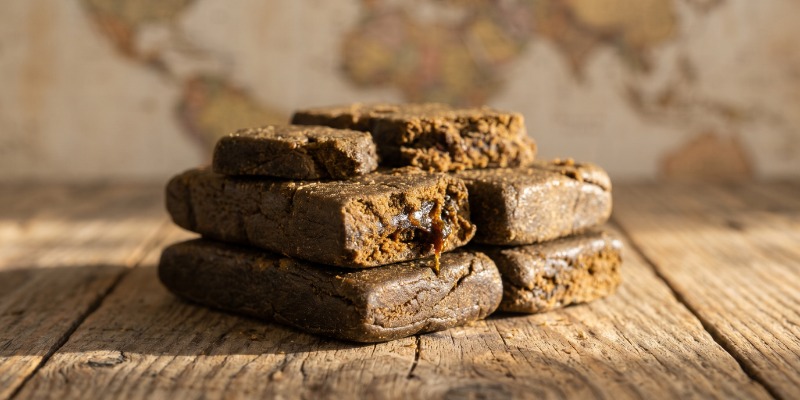
Hash, short for hashish, is a concentrate made from the resin glands (trichomes) of the cannabis plant. These tiny glands hold most of the plant's cannabinoids and terpenes. Collect them loose and you have kief. Press or knead that kief together, and it becomes hash.
The word comes from the Arabic ḥashīsh, meaning "grass" or "dried herb". Hash has been made for centuries across the Middle East, Central Asia, and the Indian subcontinent. It reached Western Europe in the 19th century, where it found fans among the writers and artists of Paris. In the 1960s and '70s, the Hippie Trail made Afghan, Nepalese, and Moroccan hash famous worldwide.
How Hash Is Made: 4 Methods
Almost every type of hash uses one of these four methods. Know them, and the rest of this guide falls into place.
1. Hand-Rubbing (Charas)
Growers rub the flowers of living plants between their palms. Resin builds up on the hands and is rolled off into balls or sticks. Because the plants are fresh, charas keeps more of its terpenes and smells intense. It's slow work: a skilled maker might collect only a few grams a day. Learn more in What Is Charas And How To Make It.
2. Dry Sifting
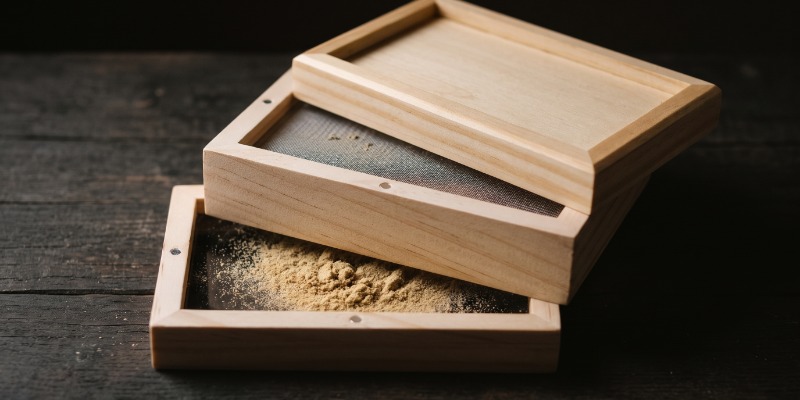
Dried plants are beaten or shaken over fine screens. The trichomes fall through, the plant matter stays behind. The first, gentlest sift gives the cleanest hash; later sifts contain more plant material. The powder is then pressed, sometimes with heat, into blocks or slabs. This is the traditional method in Morocco, Lebanon, Afghanistan, and Pakistan.
3. Ice Water Extraction
Buds are stirred in ice-cold water. The cold makes the trichomes brittle, so they snap off and sink. The water is then strained through a series of micron bags that sort the resin by size. The result is bubble hash, also called ice water hash. Dutch hash pioneer Mila Jansen's Ice-O-Lator bags, launched in the late 1990s, helped make the method popular.
4. Heat and Pressure (Rosin)
Hash or kief is wrapped in a filter bag and squeezed between two heated plates. The resin flows out as a sticky oil called rosin. No solvents are involved, which is why rosin and bubble hash are both called "solventless" concentrates.
Traditional Types of Hash From Around the World
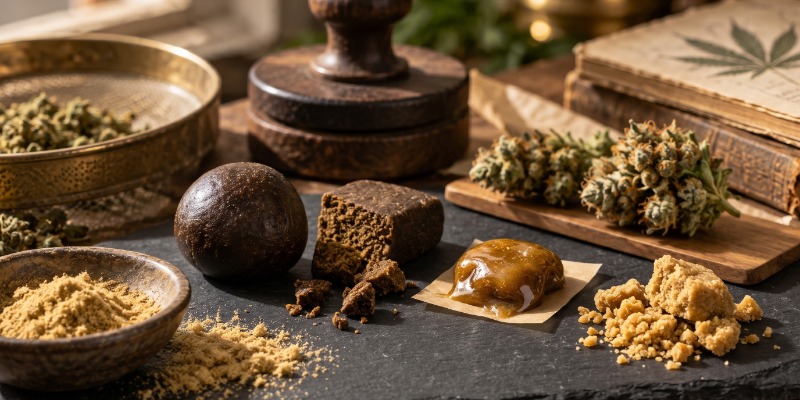
Moroccan Hash
Morocco is one of the world's best-known hash producers. Most Moroccan hash comes from the Rif Mountains in the north, around towns such as Ketama. Farmers dry the plants, then beat them over screens stretched across buckets. The finest first sift is often sold as "00" (double zero), after the fine mesh it passes through.
Expect a light brown to tan colour, ranging from firm, pressed slabs to softer "pollen" that crumbles between your fingers. Moroccan hash is known for a mild, smooth smoke and a more uplifting effect than Afghan or Pakistani hash.
Lebanese Hash (Red and Yellow)
Lebanese hash comes mainly from the Bekaa Valley. It's dry-sifted and pressed into flat slabs that were traditionally sewn into cloth bags. It comes in two famous styles:
- Yellow Lebanese: Made from plants harvested earlier. Lighter in colour, aromatic, and usually described as more energetic.
- Red Lebanese: Made from plants left to mature longer, which gives the resin a reddish-brown colour. Typically more relaxing.
Darker slabs are sometimes sold as "black Lebanese". Both styles share a distinctive spicy, slightly sweet aroma.
Afghan Hash
Afghan hash, known locally as chars, is made in the north of the country, around Mazar-i-Sharif and Balkh. Makers sift the resin from dried plants, then knead it for hours, often with a little water or tea and gentle heat. This turns it soft, oily, and very dark, almost black on the outside.
It comes from short, resinous indica landraces and is famous for a heavy, sedating body effect. The smoke can be thick and harsh on the throat. Many modern indica strains, including Afghani and Afghan Kush, trace their genetics back to this region.
Pakistani Hash
Pakistani hash is made in the north-west of the country, close to the Afghan border, using similar methods to Afghan hash. It's dark, pliable, and strongly spiced in aroma. Some makers traditionally aged it in animal skins, which changes its flavour. Expect a strong, physical effect and a smoke that can bite.
Indian Charas: Malana Cream and Manali
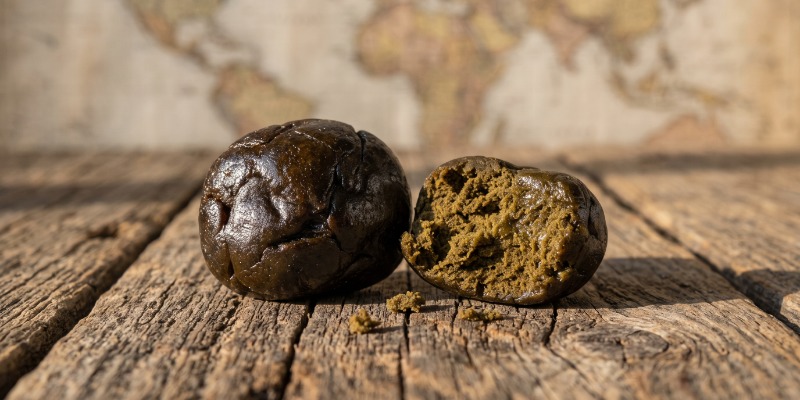
India's best-known hash is charas, hand-rubbed from wild and cultivated plants in the Himalayan state of Himachal Pradesh. Two names stand out:
- Malana Cream: From the remote village of Malana in the Parvati Valley. Prized for its soft texture, intense aroma, and potency.
- Manali hash: From the area around the town of Manali in the Kullu Valley. Made the same way, and usually a little milder and smoother.
Fresh charas is sticky and dark on the outside, with a greener, creamier inside. It has a rich, floral, and spicy aroma, thanks to the terpenes preserved in the live plants.
Kashmiri Hash
Kashmiri hash comes from the Kashmir region in the far north of the subcontinent. It's mostly hand-rubbed like charas, giving a soft, dark hash with an earthy, spicy aroma. It's rarely found outside the region, which only adds to its reputation as one of the more potent traditional hashes.
Nepalese Temple Balls
Nepal is famous for temple balls: hand-rubbed charas rolled into tight balls and cured over weeks or months. Curing gives them a glossy, almost polished shell and a soft, creamy inside. The name comes from hash's long association with Hindu religious practice, especially among the sadhus devoted to Shiva.
Nepalese hash was legal and sold openly in Kathmandu until the early 1970s, which made it a highlight of the Hippie Trail. Good temple balls are smooth, complex in flavour, and potent.
Turkish Hash
Turkey has a long history of hash production. Traditional Turkish hash is dry-sifted and pressed, usually lighter in colour, and often comes in powdery or loosely pressed form. It has a reputation for a mild, clear-headed, cerebral effect. Today, cannabis cultivation in Turkey is restricted to licensed production, so traditional Turkish hash is much rarer than it once was.
Modern Types of Hash
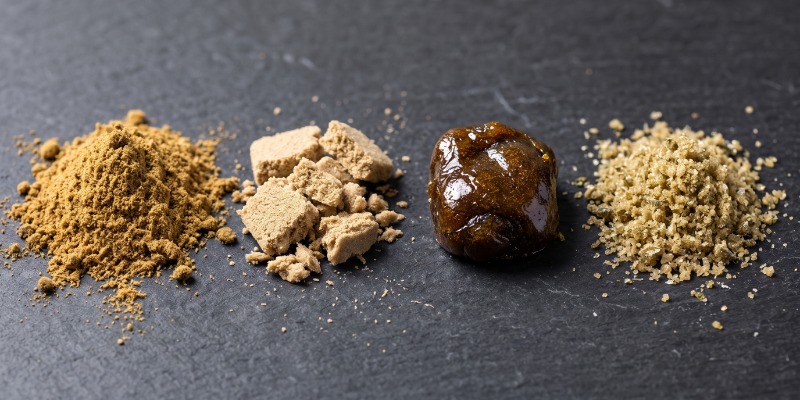
Modern hash isn't tied to one region. It's made wherever cannabis is grown, often from named strains, and it's all about purity.
Dry Sift Hash
Modern dry sift uses the same idea as Moroccan hash, but with finer, stacked screens and frozen, carefully trimmed buds. The best dry sift is almost pure trichome heads, with a blond colour and a clean, strain-specific flavour. You can make simple dry sift at home with a sifter box or a pollen tumbler.
Bubble Hash (Ice Water Hash)
Bubble hash is made with ice water and micron bags, as described above. It gets its name from the way good bubble hash bubbles when heated. Quality is often graded on a six-star scale. The top grades, called "full melt", melt completely with almost no residue, because they contain only resin heads. Cured bubble hash with a soft, pâté-like texture is sometimes sold as piattella. Want to try it yourself? Read How To Make Bubble Hash.
Dry Ice Hash
Dry ice hash is one of the quickest ways to make hash at home. Buds and dry ice are shaken together in a mesh bag, and the extreme cold (−78.5°C) makes the trichomes snap off in seconds. It's fast, but it collects more plant matter than ice water methods, so quality varies.
Hash Rosin
Hash rosin is made by pressing bubble hash or dry sift with heat and pressure. It took off around 2015, when growers discovered they could press resin with a hair straightener. It's sticky and sap-like, free of solvents, and among the most potent and flavourful hash products around. Dive deeper with Rosin Hash: Easy, Safe and Potent.
Which Type of Hash Is the Strongest?
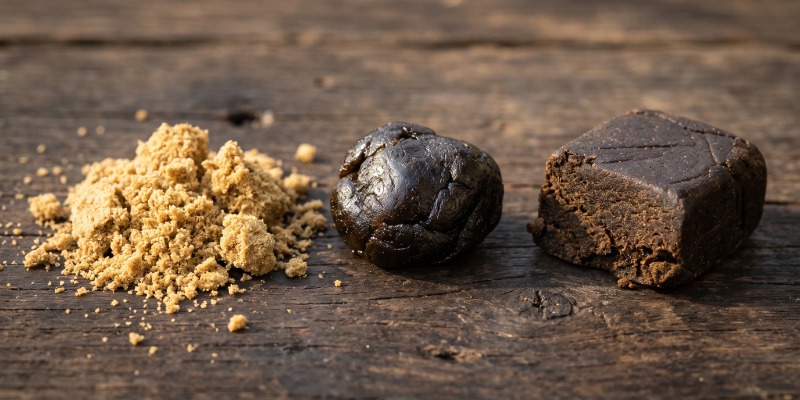
Modern solventless hash usually wins. Full-melt bubble hash and hash rosin are close to pure resin, so they often test well above traditional hash. Among the classics, hand-rubbed charas such as Malana Cream and well-made Afghan hash have the strongest reputations, while Moroccan and Turkish hash are generally milder.
Potency always depends on the starting plants, the method, and how fresh the hash is. Hash loses potency and aroma as it ages, especially when it's exposed to air, light, and heat.
How to Spot Good Hash
Not all hash is created equal. Run through three quick checks:
- Smell: Good hash smells strongly of cannabis. A chemical or musty smell is a red flag.
- Look: It should be free of hair, sand, and other debris, and shouldn't crumble into dust.
- Burn: Quality hash burns slowly and bubbles. Black smoke and a harsh taste point to fillers or plant matter.
For the full checklist, read How To Recognise High-quality Hash.
Make Your Own Hash at Home
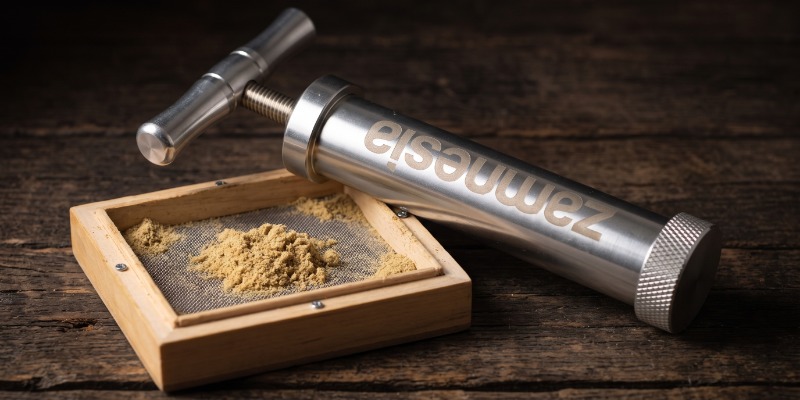
You don't need to travel the Hippie Trail to try different styles of hash. If you grow your own, the right gear lets you make most of them at home.
- Wooden Sifter Box: The simplest way into dry sift. Rub your buds over the screen and collect the kief in the drawer below.
- Pollinator P150: A pollen tumbler from hash pioneer Mila Jansen that sifts your trimmings for you. Ideal for larger batches of dry sift.
- Ice-O-Lator Travel: Ice water bags for making bubble hash, in a compact set.
- Bubbleator B-Quick: Takes the stirring out of ice water extraction, for bubble hash with less effort.
- Pollen Press - Black Leaf: Turns loose kief into firm, pressed hash.
- Rosin Press Bag: Holds your hash or kief in place while you press it into rosin.
Browse the full extractor range for more ideas, and check out The 6 Best Ways to Make Hash to pick your method.
Tip: Freeze your buds or trim before sifting. Cold trichomes are brittle and snap off more easily, so you collect more resin and less plant matter.
From the Rif Mountains to the Himalayas: A World of Hash
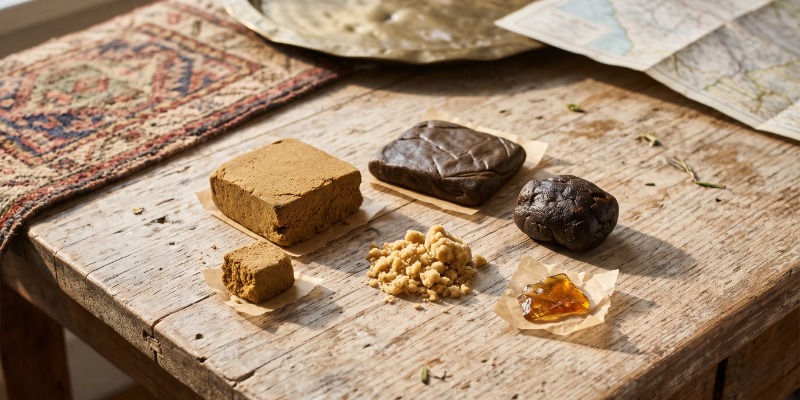
Hash is one of the oldest cannabis products in the world, and it's far more varied than most people realise. Traditional hash reflects its home: sieved and pressed in Morocco and Lebanon, kneaded dark and soft in Afghanistan and Pakistan, and hand-rubbed from living plants across the Himalayas. Modern makers have added ice water, dry ice, and heat presses, creating bubble hash and rosin that are purer and often stronger than anything from the old Hippie Trail.
The differences show in colour, texture, aroma, and effect. Whether you're drawn to the mild, smooth character of Moroccan hash or the heavy richness of Afghan, knowing where and how a hash was made tells you most of what you need to know about it. Curious about where to find great hash in the Netherlands? Read Top 10 Best Hash In Amsterdam.
Disclaimer: This article is for informational purposes only. Cannabis laws differ per country, so always follow the laws that apply where you live.
-
 3 min
9 January 2024
How To Recognise High-Quality Hash
How do you know if your hash is of the best quality? And, what separates great hash from the terrible? All of these questions will be answered, and more. With our guide, you will be a hash pro in...
-
 7 min
31 March 2022
How To Make Bubble Hash (3 Methods)
Bubble hash is a potent cannabis concentrate. Luckily, there are some easy methods you can use to make it at home with supplies you can find in most kitchens. Now you can enjoy hash without...
-
 5 min
30 December 2021
How To Use A Pollen Press To Make Hashish Coins
If you've ever thought that producing high-quality hash at home was a tall order, we're here to tell you it isn't. With a pollen press at your disposal, you too can create some premium pellets that...
-
 3 min
25 September 2020
What Is Jelly Hash And How Do You Make It?
Besides regular weed, many cannabis concentrates are available. A very interesting one is jelly hash. Besides its distinctive aroma, several other benefits make it very popular among all sorts of...


