 8.6 out of 10 based on 81086 reviews








.svg)
.svg)
.svg)
.svg)
.svg)
.svg)



 Mushroom Dosage Calculator


 Help
Help United States
Hermaphrodite Cannabis Plants: Early Signs, Pictures & What to Do
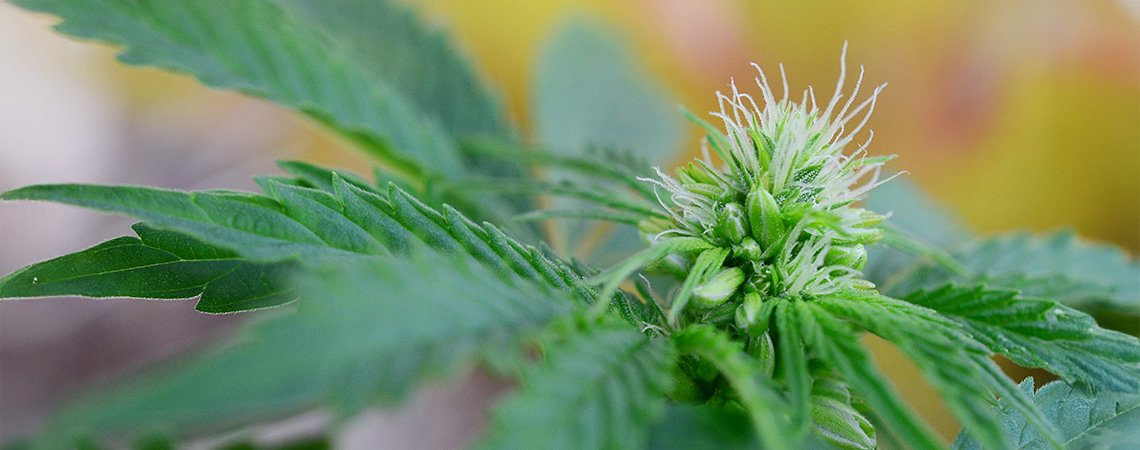


This guide is built for fast, practical decisions: how to identify early signs of a hermaphrodite plant with clear visual cues, how to reduce the chances of it happening, and exactly what to do if you find one mid-grow.
Not sure if you’re seeing calyxes or pollen sacs? Use pictures of hermaphrodite plants to ID fast, then decide whether to isolate, remove, or finish out.
Spotting a plant that’s producing pollen can turn an exciting run into a seeded mess fast, so it’s no surprise growers panic about pollination, lost potency, and wasted weeks.
What is a hermaphrodite cannabis plant?
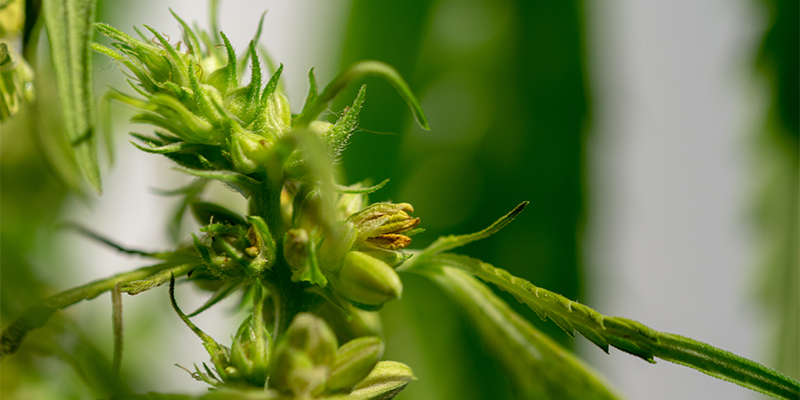
A hermie weed plant develops both female and male sex organs, so it can produce buds and release pollen on the same plant. In practice, that means it can seed itself and pollinate neighbouring females, quickly reducing flower quality and yield.
Cannabis is usually dioecious, with separate male and female plants. Females form calyxes and pistils (the white “hairs”) that become resinous flowers, while males create clusters of pollen sacs designed to open and spread pollen. Hermaphrodites show a mix of these traits, sometimes with obvious “balls” and sometimes with banana-shaped anthers tucked inside buds.
Some cases are “true” genetic hermaphrodites, in which the tendency is inherited and can manifest even under stable conditions. Others are stress-induced, when a plant flips as a survival response to factors like light leaks, heat spikes, or rough handling. For a deeper look at identifying sexes, see our plant sex guide.
Why do cannabis plants turn hermaphrodite?
Hermaphroditism usually comes down to two drivers: genetics and stress. On the genetic side, unstable lines and sloppy breeding can pass on a tendency to throw male parts, especially when plants with known intersex traits are used in breeding projects or “feminised” stock is produced without proper selection.
The environment is the other big trigger. When conditions swing too hard, the plant can respond by producing pollen as a last-ditch survival strategy. In many grows, a stress-induced hermaphrodite cannabis shows up after issues like light leaks during the dark period, excessive heat, irregular watering, nutrient burn or deficiencies, and heavy pruning or training at the wrong time.
Flowering is when things get most sensitive. Sudden changes to the light schedule, defoliation late in bloom, or repeated stress in the final weeks can push a plant to form anthers (“bananas”) inside developing buds, because it’s trying to ensure reproduction before it finishes.
Early signs of a hermie plant (what to look for first)
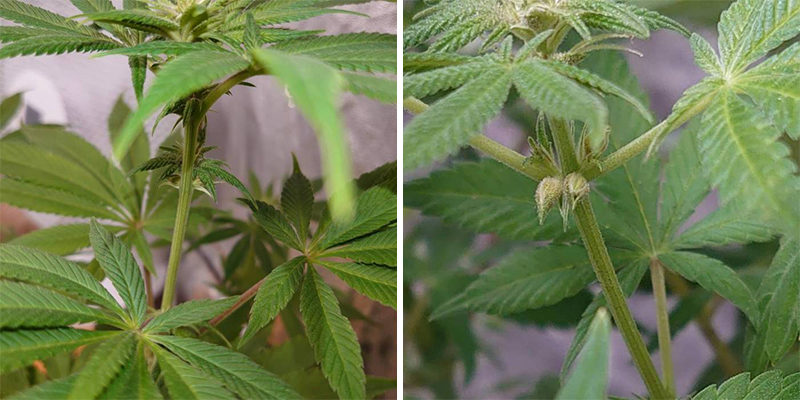
Early detection is all about catching signs of hermaphrodite cannabis before the male parts open. In the first couple of weeks of flowering, a quick daily check can save you from a tent full of seeds.
Focus inspections on the nodes (where branches meet the main stem), the lower and shaded growth, and deep inside forming bud sites. These areas often show the early signs of hermie plant traits first, because they’re easy to miss and can mature quietly.
Look out for small, smooth, round sacs on short stems that appear in clusters; they sit differently from female calyxes, which are more teardrop-shaped and usually show two pistils. Another giveaway is a single yellow “banana” (anther) poking from a bud; this can release pollen fast.
Don’t confuse new female growth with trouble. Fresh calyxes swell slightly and push white hairs; pollen sacs form without hairs and tend to look like tiny balls rather than pointed pods.
How to spot hermaphrodite cannabis plants
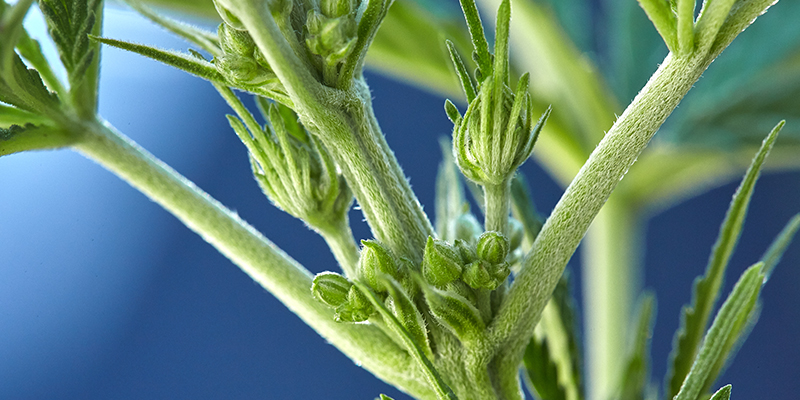
Correct ID comes down to recognising the difference between female calyxes (normal) and male pollen parts (problem). A female calyx is a small, tear-shaped pod that usually pushes two white pistils; it hugs the stem or bud and looks “pointed”, not perfectly round.
Male pollen sacs are smoother and more spherical, often appearing in little bunches at nodes or tucked beneath lower bud sites. They can look like tiny green grapes before they mature and split. You’ll often see both structures on the same branch in flowering stage hermaphrodite plants examples, with pistils emerging from one spot and round sacs forming nearby.
The other classic tell is the banana-shaped anther, commonly called a “nanner”. These are thin, yellow, and tend to poke out from within a developing bud rather than hanging on a stem. They can release pollen quickly, so they’re a high priority.
Because the shapes are subtle, use strong lighting and take clear, close-up photos from multiple angles when checking. Having a reference library of pictures of hermaphrodite plants on hand makes it much easier to compare what you’re seeing in real time, especially mid-flower when everything is swelling fast.
Hermaphrodite vs male cannabis plants: Key differences
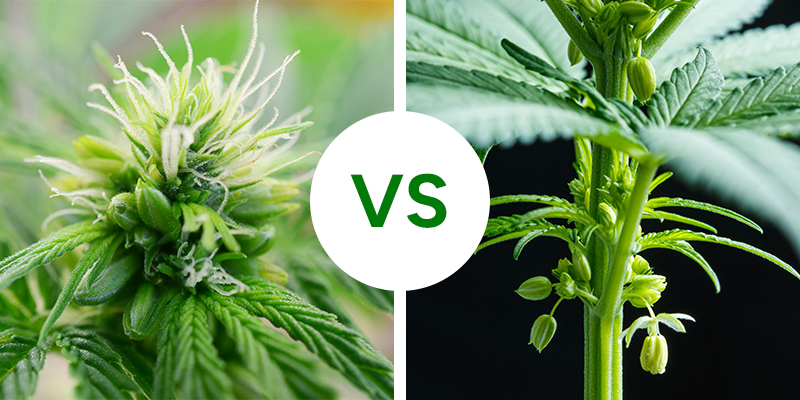
Male plants are usually easier to clock because they commit early: you’ll see clusters of pollen sacs forming at the nodes soon after the flip to 12/12, and they won’t develop dense, resinous buds.
Hermaphrodites are trickier because they can look like perfectly healthy females for weeks, then suddenly throw a few sacs or “nanners” among the flowers. That means the first visual clues may appear later in flowering, sometimes only on lower bud sites or inside thicker colas, where pollen parts are easy to miss.
Visually, a true male tends to produce lots of sacs in obvious bunches, while a hermie may show just a handful of male structures alongside pistils and swelling calyxes. If you’re dealing with confirmed males, our guide on male cannabis plants covers your options.
What to do if your cannabis plant turns hermaphrodite
Act fast once you’ve confirmed male parts, because a single open sac can pollinate a whole room. When deciding what to do if a cannabis plant turns hermaphrodite, prioritise preventing pollen spread over trying to “save” one plant.
- Stop airflow around the suspect plant and mist it lightly with water (pollen is less viable when wet).
- Inspect thoroughly at nodes and inside buds, removing any visible sacs or nanners with clean tweezers.
- Bag and remove the plant immediately if you see multiple sacs, repeated nanners, or any opened pollen sacs.
- For mild cases, isolate the plant if possible and monitor daily, continuing careful removal.
- Check nearby plants for fresh pollen parts and consider wiping down surfaces and adjusting your environment to remove the stress trigger.
Immediate removal is usually the safest call in a shared tent, especially with valuable sensimilla crops. Isolation can work, but only if you can stay on top of inspection and accept the risk.
Can you save a hermaphrodite cannabis plant?
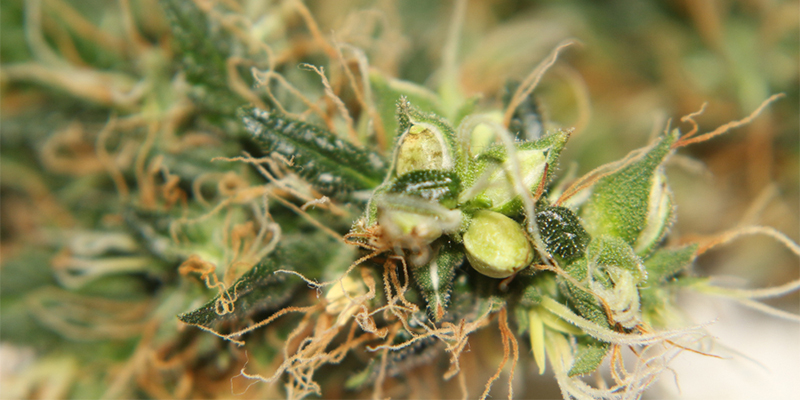
When a female cannabis plant turning hermaphrodite shows just one or two nanners late in flower, some growers choose to remove the offending parts and finish the run carefully.
This approach works best when male structures are limited, you can inspect daily, and you can isolate the plant from the rest of the crop. Even then, continued pollination is the main danger: one missed anther can seed nearby buds and reduce overall potency and yield.
It’s usually not worth trying to “rescue” a heavy hermie. If you’re seeing multiple pollen sacs forming at nodes, repeated nanner growth, or any sacs that have already opened, removal is the safer option, especially in a shared tent where other plants have far more to lose.
Can you smoke or use hermaphrodite weed?
In most cases, hermie bud isn’t “unsafe” in itself; the real issue is quality. The larger the pollination event, the more the plant diverts energy from resin and terpene production into seed production, which can leave the end result harsher and less aromatic.
For anyone asking, "Can you smoke hermaphrodite weed?" the practical answer is yes, provided it’s been dried and cured correctly, and you remove seeds before grinding.
Lightly affected plants may still produce decent buds, with only the odd seed and a slight dip in potency. Heavily pollinated plants are a different story: expect lots of seeds, weaker effects, and a flatter flavour profile. In those cases, many growers prefer to use the harvest for extracts or edibles rather than top-shelf joints.
How to prevent hermaphrodite cannabis plants
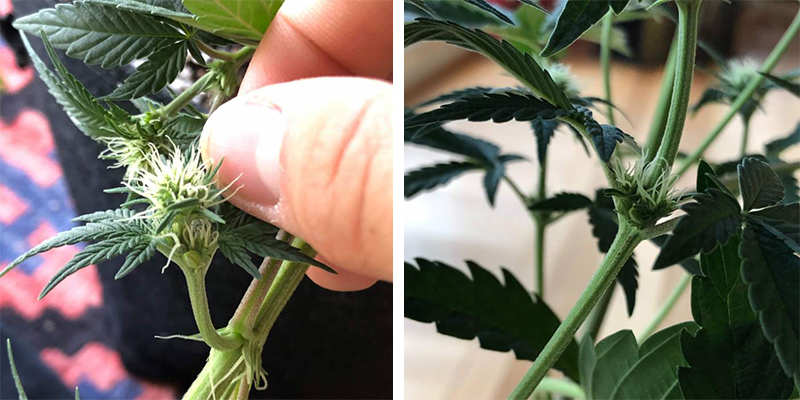
Prevention is mostly about keeping stress low and genetics solid, so plants don’t feel “forced” to self-pollinate. The checks below will help you reduce the odds of seeing a hermie in future runs.
- Start with stable, reputable genetics and avoid repeatedly cloning from stressed mothers.
- Keep light schedules consistent and eliminate light leaks during dark periods.
- Maintain steady temps and humidity; avoid big swings, especially in flower.
- Dial in feeding and watering to prevent chronic over/under stress.
- Go easy on high-stress training late in veg and early flower.
- Inspect regularly in early flower so you catch any issues quickly.
Use of stable genetics and reputable seed banks
Genetics set the baseline for how likely a plant is to throw male parts under pressure. Stable, well-worked lines from reputable seed banks tend to show fewer surprises in flower, whereas random bagseed or poorly bred stock can carry higher hermie risk.
Look for clear breeder information, consistent grow reports, and strains known for resilience. Feminised seeds can still produce hermaphrodites, but good breeding and proper selection make it far less common. If you’re running clones, only take cuts from healthy mothers that have completed a stress-free cycle without showing intersex traits.
Careful environmental control
Environmental stress is one of the most common triggers for hermie behaviour, so consistency is the goal. Keep your light cycle rock-solid in flower and make sure the dark period is genuinely dark; no tent leaks, indicator LEDs, or “quick peeks” with the door open. Aim for stable temperatures and avoid large day/night swings, while maintaining sensible humidity and airflow to prevent plants from being pushed too hard.
On the feeding side, don’t chase aggressive EC for faster growth. Balanced nutrients, correct pH, and regular watering (without repeated drought/soak cycles) help keep plants calm and focused on making flowers rather than survival.
Stress reduction during flowering
Flowering is where small mistakes can snowball. Once buds are forming, keep hands-off changes to a minimum and focus on stability rather than optimisation.
Avoid heavy defoliation, late topping, or aggressive bending that can shock plants, and be cautious with foliar sprays and strong pest treatments on bloom sites. Make adjustments gradually, and don’t let problems like root binding, heat spikes, or underwatering become a repeating pattern. If you’re unsure what’s most likely to cause stress mid-run, our guide to common grower mistakes is a handy checklist to keep nearby.
Managing hermaphrodites without panicking
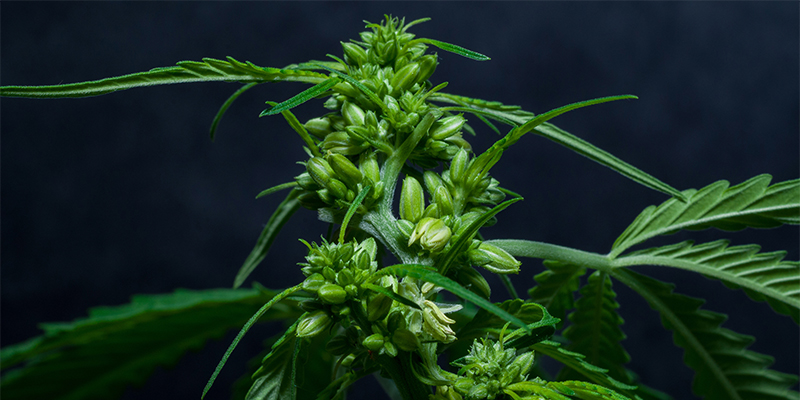
Hermaphrodites are more common than most growers think, and spotting one doesn’t automatically mean your whole run is ruined. What matters is how quickly you catch it and how calmly you respond.
Check plants regularly during early flower, and act based on severity: a couple of nanners on one branch is a different situation from multiple pollen sacs across the canopy. Isolate or remove the plant if needed, tidy up any visible male parts, and keep the room clean to limit stray pollen.
Treat it as data for the next grow. Note what changed before it happened, such as light leaks, heat spikes, feed issues, rough training, then tighten your process and pick sturdier genetics. Consistency, early checks, and sensible decisions are the big takeaways.