 8.6 out of 10 based on 80701 reviews








.svg)
.svg)
.svg)
.svg)
.svg)
.svg)



 Mushroom Dosage Calculator


 Help
Help United States
Topping autoflowers for bigger yields: What you need to know
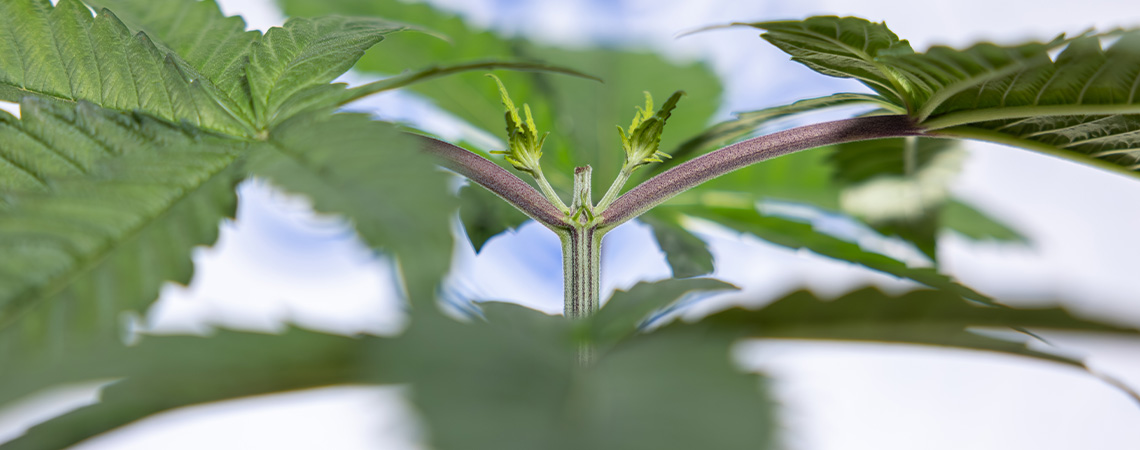



Curious about topping autoflowers? This guide explains when it works, how to do it safely, and the conditions your plant needs to thrive. Clear, supportive advice for bigger, healthier yields.
Thinking about topping your autoflower? You’re not alone. Many growers reach that moment where their plant is thriving, the structure looks promising, and they wonder whether removing the tip could unlock bigger yields.
At the same time, autoflowers grow at such a rapid pace that the idea of cutting anything can feel intimidating. This is the heart of the debate around topping autoflowers: some growers swear by the technique, while others avoid it entirely.
This guide aims to help you understand when, why, and how topping can work, and just as importantly, when it shouldn't be used. Whether you’re new to autos or experimenting with more advanced methods, you’ll find clear explanations, supportive guidance, and practical steps you can follow with confidence. By the end, you’ll know exactly whether topping fits into your grow style, and if it does, how to carry it out safely.
Why topping autoflowers is controversial
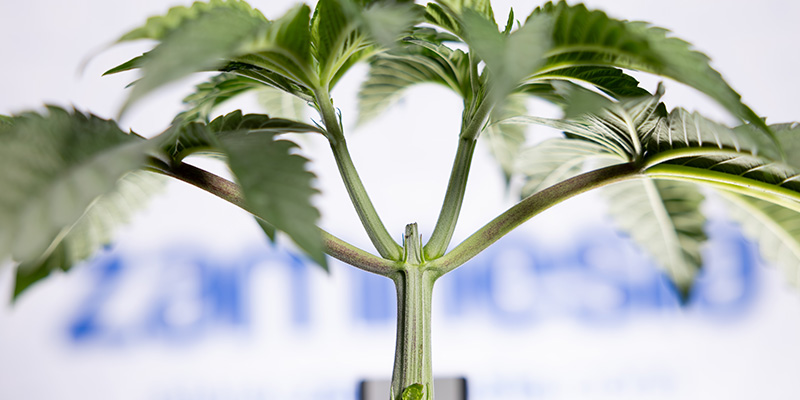
Autoflowers follow their own timeline, and that’s where the difficulty begins. Unlike photoperiod plants, which stay in the vegetative stage until you change the light cycle, autos move from seed to harvest according to their internal clock.
The vegetative window is short, usually just a couple of weeks, and during that time the plant must establish roots, foliage, and structure before bloom begins. When you understand that, it becomes much clearer why some growers hesitate to top.
Topping introduces a moment of stress. For photoperiod plants, that stress is manageable; they have all the time in the world to recover. But for autos, the plant only has a limited period before flowering begins. If the cut is mistimed, stress can halt growth for long enough to reduce final yield.
But the controversy doesn’t end there. Some growers feel that autoflowers should be left alone entirely, preferring gentle alternatives like LST. Others top almost every run and consistently see improved structure and production. Much of this variation comes down to strain genetics, early-stage health, environmental conditions, and grower experience.
If you’re still learning what makes autos unique, our guide on tips for growing autoflowers indoors and outdoors breaks down the essentials and can help you decide whether topping fits your current skill level.
Can you top autoflowers?
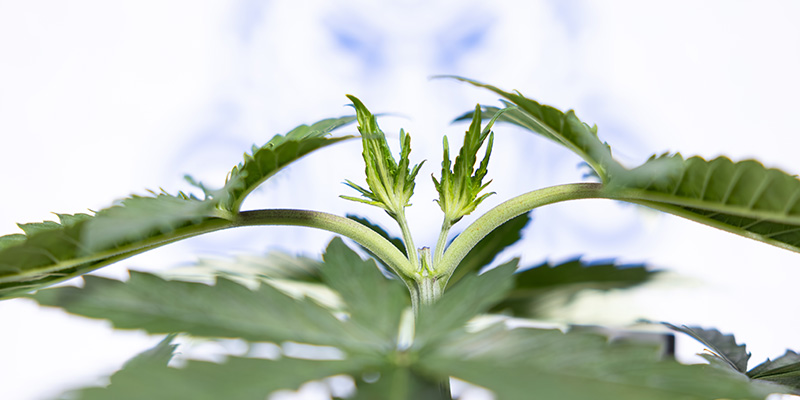
Here’s the clear and simple answer: yes, you can top autoflowers, but only when everything lines up. The technique works best when the seedling is healthy, vigorous, and already showing strong early growth. In these conditions, topping can redirect energy into two main colas, widen the canopy, and encourage a more efficient use of light. Many growers who do it consistently see a measurable improvement.
However, the question isn’t just “Can you?” but “Should you?” Not every strain responds the same way. Some autos grow compact and stocky by default, producing a single dominant cola that doesn’t benefit significantly from a cut. Others are more vigorous and respond beautifully to early structural manipulation.
If you want a refresher on the early growth stage to help clarify timing, you’ll find a clear breakdown of this phase in our guide to the vegetative period.
To put it simply:
- Yes, you can top autoflowers.
- No, you can’t top them at any time.
- And yes, timing matters more here than with almost any other technique.
When to top autoflowers
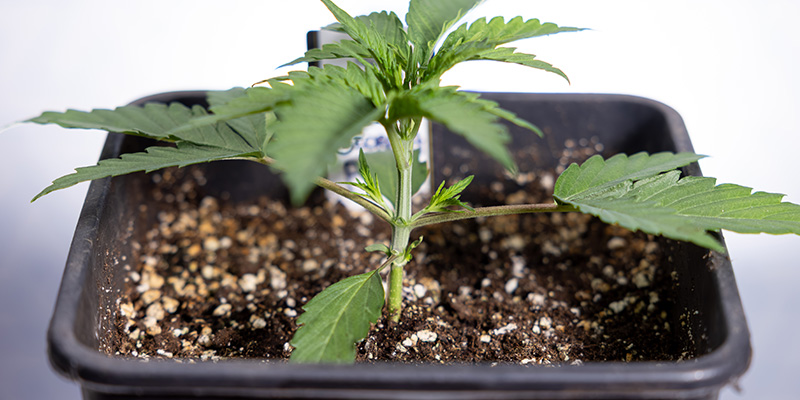
Timing is the single most important element. You’ll often hear growers ask how many nodes an autoflower should have before topping, and for good reason. The safest and most reliable window is when the plant has 3–4 nodes, never fewer, and certainly not more than five. This usually occurs around day 14 to day 21, though fast or slow varieties may fall slightly outside this range.
Topping at the wrong time is the main reason growers end up disappointed. Too early, and the plant doesn’t have the energy reserves to recover. Too late, and the plant is preparing for bloom, making structural training stressful rather than beneficial.
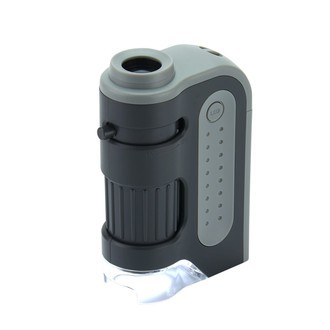
A small magnifier or loupe can help you check node development precisely. If you don’t already have one, explore the selection in our microscope and magnification range. Seeing the nodes clearly can make the difference between a confident cut and second-guessing your placement.
How to top autoflowers step-by-step
Below is a straightforward method that ensures you cut cleanly, reduce stress, and set your autoflower up for success. If you want to compare these steps with the photoperiod approach, you can always refer to our main guide on topping techniques after reading this article.
Confirm the plant is healthy and has 3–4 nodes
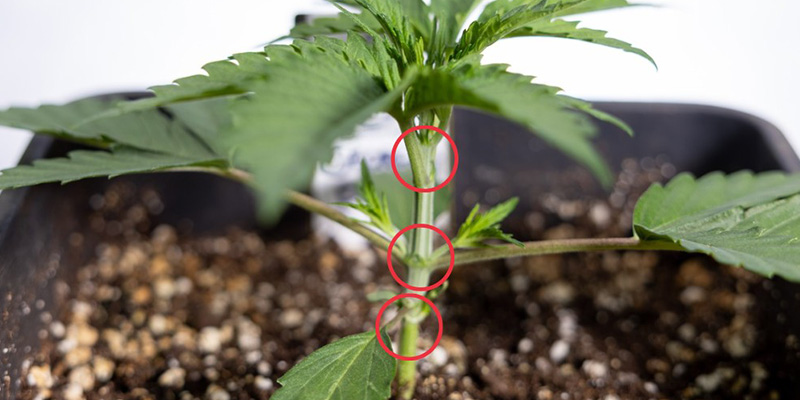
A plant that's struggling should never be topped. Look for leaves that are well-formed, upright, and evenly coloured. The stem should appear firm, and internode spacing should look natural rather than stretched. Count from the bottom to identify the true nodes; the first pair is typically small, while nodes two, three, and four show more substantial growth.
If the plant is droopy, pale, nutrient-stressed, or recently transplanted, postpone topping, or skip it entirely this cycle. Healthy autoflowers bounce back quickly after topping; unhealthy ones fall behind.
Use clean, sterilised scissors
Autoflowers don’t have time to deal with infection, so disinfecting your scissors is essential. Wipe them with isopropyl alcohol or boil them briefly if needed. A clean cut heals smoothly, and smooth healing means fast recovery. Many growers keep a small kit just for training. If you’re looking to upgrade yours, browse our range of tools in the Zamnesia Growshop.
Cut above the 3rd node
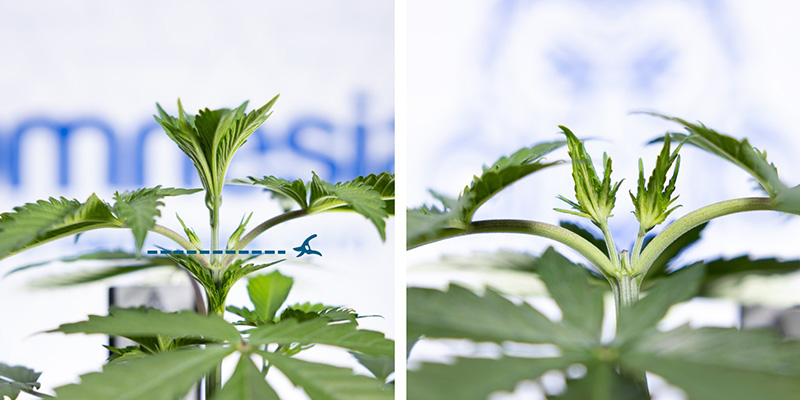
Position your scissors directly above the third node and make a single, confident snip. The aim is to remove the growing tip entirely so that nodes two and three become your new mains. This creates a balanced structure and encourages the plant to spread outward rather than stretching upward.
If you’ve counted correctly and your plant is healthy, the cut itself will take less than a second. What matters is the clarity and precision of the cut, not the force behind it.
Monitor the plant for 3 to 5 days
The plant will usually show signs of recovery within 24–48 hours. Leaves will orient toward the light again, new growth tips will appear, and the structure will begin widening. During this period, avoid overwatering or adjusting the environment drastically. Autoflowers thrive on consistency, and the best thing you can do is maintain stable conditions.
If the plant seems slow to recover, check temperatures, watering patterns, and light intensity. Autos don’t complain loudly, so small environmental issues can reveal themselves during recovery.
Alternatives to topping autoflowers
Topping isn’t the only way to shape your plants. In fact, many growers choose alternatives because they’re less stressful and more predictable, especially for beginner or cautious cultivators.
LST (low-stress training)
.jpg "LST (low-stress training)")
LST is the most popular method among autoflower growers for good reason: it reshapes the plant while keeping stress incredibly low. By gently bending the main stem and tying it down, you expose multiple bud sites to direct light. This encourages even growth and often increases yield without any cutting at all.
If you’d like a full walkthrough, you’ll find it in our guide on training autoflowers.
Fimming
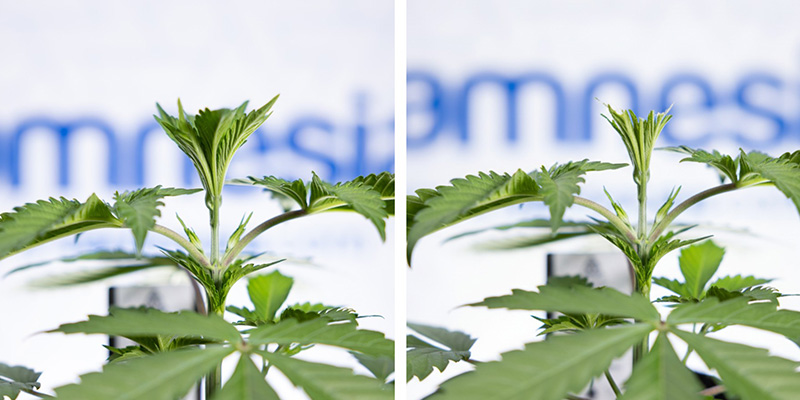
Fimming is similar to topping but removes only a portion of the growing tip. Some growers find it less invasive and appreciate the chance of developing multiple new growth tips. However, it’s more unpredictable and can produce uneven results if you’re not familiar with the technique.
Companion planting and natural yield boosters
Not all yield improvements come from structural manipulation. Companion plants, living soil, beneficial microbes, and good airflow can all enhance plant health in subtle but meaningful ways. A thriving autoflower naturally produces more bud sites and fills out its space efficiently, often making topping unnecessary.
Even small improvements to your environment can deliver better returns than cutting the plant itself.
Cut above the rest? Is topping autoflowers your next move?
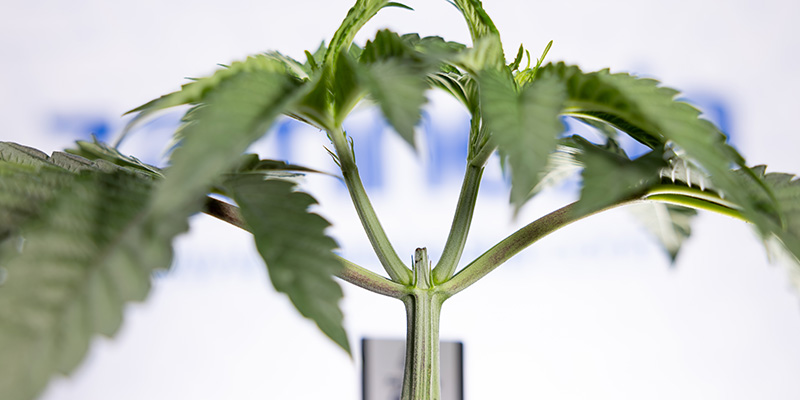
So, should you top your autoflower? The answer depends on your setup, your comfort level, and your plant’s behaviour.
Consider topping if:
- Your plant is vigorously growing and clearly developing its fourth node
- You want a broader, more controlled canopy
- You’re comfortable monitoring the recovery period
Avoid topping if:
- Your plant is struggling or slow-growing
- You’re working with a compact or delicate strain
- You’re brand new and want a simple, enjoyable first grow
If you’re curious to explore strains that respond well to training, browse our range of autoflowering seeds.
And if you want to upgrade your training kit, take a look at our selection of growroom accessories.
With the right timing, confidence, and tools, topping autoflowers can absolutely boost your harvest, and even if you choose not to top this round, the knowledge will serve you well for future grows.